Let’s be honest: there’s almost nothing better than biting into a piece of perfectly fried chicken. The crunch, the juice, the way the seasoning hits your tongue—it’s pure comfort food magic. But that magic hinges on one crucial detail: the temperature of your oil. Get it wrong, and you’re either serving up a greasy mess or a burnt tragedy.
So, what temp to fry chicken at? The short, golden answer is 325°F to 350°F (163°C to 177°C). This isn’t just a random number pulled from a grandma’s recipe box—it’s the sweet spot where science and soul food shake hands. At this range, the chicken cooks through without the outside turning into charcoal.
The Goldilocks Zone of Frying
Think of 325°F as your friend in the kitchen. It’s low enough to let thick drumsticks and thighs cook all the way to the bone, but high enough to seal that crust instantly. If you crank it to 375°F, you’ll get a dark, scary exterior—and a raw, sad interior that could ruin dinner.
Must Read
On the flip side, if your oil dips below 300°F, your chicken starts to behave like a sponge. It absorbs fat instead of crisping up, leaving you with a heavy, soggy mess. That’s not comfort food; that’s a culinary tragedy.
Fun fact: The Maillard reaction—that browning you love—really kicks into gear around 310°F. Stay above that, and you’re golden, literally and figuratively.
Thermometer: Your New Best Friend
You might think you can guess the oil temperature by dropping a pinch of flour into the pan. Don’t. That’s kitchen folklore, not science. Use a clip-on deep-fry thermometer—it costs less than a decent six-pack and saves you from serving undercooked poultry.
Pro tip: Preheat your oil slowly over medium heat. Oil heats unevenly, so give it at least 10 minutes to settle. When the thermometer reads 330°F, you’re ready to rock. The temperature will drop slightly when you add cold chicken, so starting a hair higher (around 345°F) is smart.
And please, never overcrowd the pot. Adding too many pieces at once crashes the oil temp below 300°F. Fry in batches—your chicken deserves personal space.
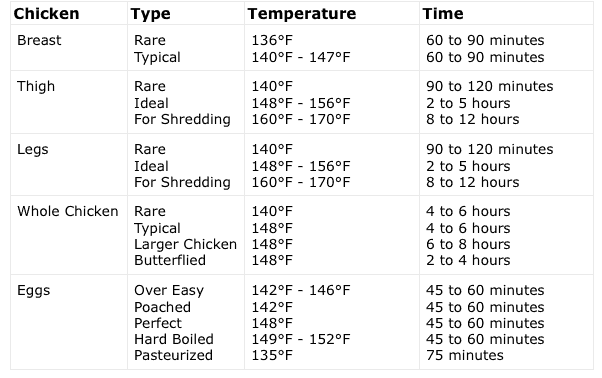 chicken temperature chart
The Cultural Crunch
Every culture that loves fried chicken has its own spin on temperature. Southern American cooks swear by 350°F for that shatteringly crisp skin. Korean fried chicken spots often fry twice—once at 325°F to cook through, then a flash fry at 375°F for extra crunch. That’s not just technique; that’s commitment.
Japanese karaage uses a lower temp (320°F) because it’s marinated and dusted in potato starch, which browns fast. Meanwhile, Nashville hot chicken joints crank it up, counting on the fiery oil to create a blistering crust that holds up to cayenne and brown sugar.
Here’s a little dinner-party trivia: In 2024, a viral TikTok showed a chef frying chicken at exactly 338°F for 14 minutes. The internet lost its collective mind. Lesson? People care deeply about their frying temps.
Practical Tweaks for Real Life
Not everyone has a deep fryer, and that’s fine. If you’re using a cast-iron skillet, fill it with about two inches of oil. The temp will fluctuate more, so keep your thermometer close. Bone-in thighs are the most forgiving cut—they stay juicy even if you’re off by a few degrees.
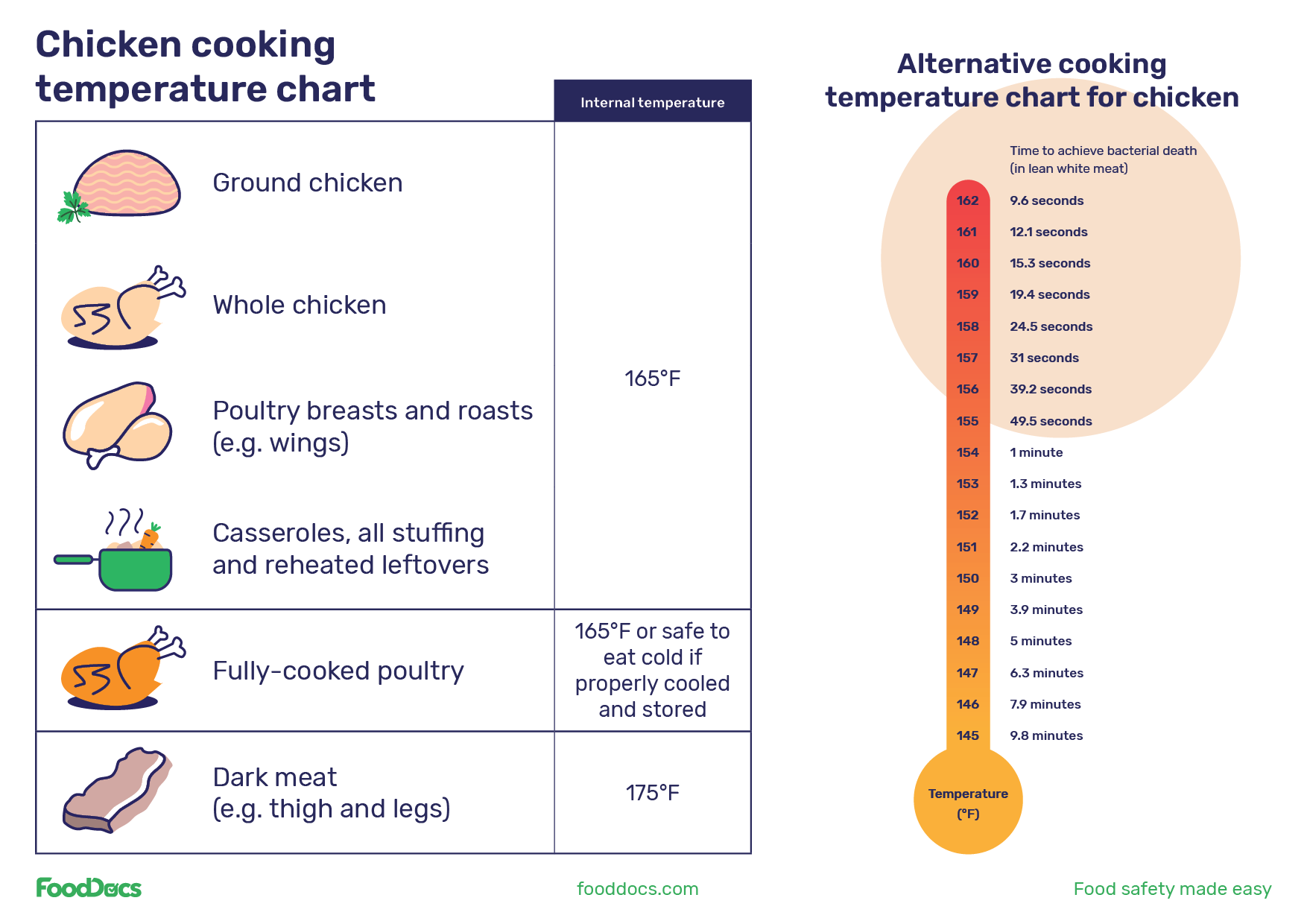
Breasts are trickier. Because they’re lean, they dry out fast. Start them at 340°F and pull them at 160°F internal temp (carryover cooking will bring them to 165°F). Patience is your secret ingredient here.
 The Perfect Airfryer Chicken Temperature for Juicy, Flavorful Results
One more hack: Pat your chicken dry with paper towels before dredging. Wet chicken drops the oil temp by 10°F or more. A dry bird means a steady fry, and a steady fry means a happy stomach.
When Things Go Wrong
We’ve all been there. You get distracted by a text, and suddenly your oil is smoking at 400°F. Don’t panic. Remove the pot from the burner, drop in a few ice cubes (not your hand—seriously), or just let it cool down. Burnt oil is a lost cause; toss it and start fresh.
If your chicken comes out pale and flabby, the oil was too cold. You can rescue it by finishing it in a 400°F oven for 5 minutes, but honestly? Just eat it with extra hot sauce. It’s still fried chicken, after all.
Smoke points matter, too. Use oils with high smoke points—peanut oil (450°F), canola (400°F), or avocado (520°F). Olive oil will burn and taste bitter. Save that for your salad.
A Life Lesson from a Fryer
There’s something meditative about managing a pot of hot oil. You can’t rush it. You have to watch, adjust, and trust the process. That 10-degree swing between perfect and regret teaches you patience—and maybe a little humility.
Next time you’re standing over a sizzling pan, remember: 325°F to 350°F isn’t just a number. It’s a reminder that the best things in life—like a golden-brown piece of chicken—come from paying attention to the details. So grab your thermometer, pour your oil, and savor the ritual. You’ve got this.