So, the other day, I pulled a bag of chicken breasts out of the freezer, and they looked like someone had dropped a brick on them—frozen together into one sad, icy monolith. I had to whack the bag against the countertop, praying the bag wouldn’t rip and send frozen poultry flying across the kitchen. Ever been there? Yeah, I thought so.
That’s when it hit me: I had no idea if I was freezing my food at the right temperature. I mean, we all just crank the freezer dial to “cold” and hope for the best, right? But it turns out, freezing isn’t just about making things hard; it’s about science—the kind that saves your taste buds and your wallet.
The Magic Number: 0°F (-18°C)
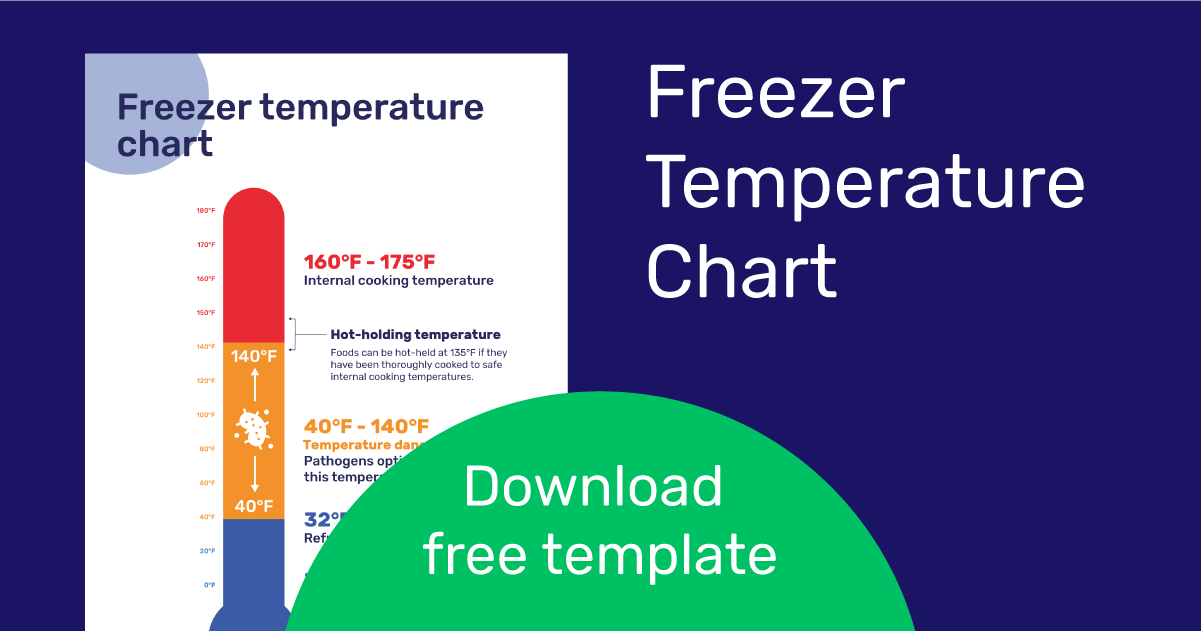
Here’s the deal: the optimal temperature for a home freezer is zero degrees Fahrenheit, or minus eighteen degrees Celsius. Stick a thermometer in there and check—your freezer dial might be lying to you. I’m serious; most built-in thermostats are about as accurate as a weather app in a hurricane.
Must Read
At 0°F, bacterial growth essentially hits the pause button. That’s why food doesn’t “go bad” in the freezer—it just gets sad and freezer-burned over time. Freezer burn isn’t a safety issue, by the way; it’s a texture and taste issue. So don’t throw out that steak just because it’s got a few white spots—it’s not spoiled, just embarrassed.
If your freezer runs at 10°F or higher, you’re basically giving bacteria a cozy winter cabin. They won’t party, but they’ll survive. And nobody wants a houseguest like that in their frozen pizza.
Why It Matters: The Ice Crystal Horror Show
When you freeze food, water inside the cells forms crystals. Slow freezing? Those crystals grow huge like icebergs and pierce the cell walls. The result? Mushy strawberries and watery chicken that tastes like a sponge when you thaw it. Ever defrosted a berry that turned into red mush? Yep—that’s on you, slow-freezer.
Fast freezing—like you’d get at 0°F or lower—creates tiny crystals that barely damage the cells. Your food stays closer to its original texture. That’s why commercial freezers blast food with liquid nitrogen; they’re showing off. For us, just keeping the temp steady and not stacking hot leftovers in there does the trick.
 At What Temperature Does Moving Water Freeze | Gas Furnace
Quick Tip: Don’t Overload the Freezer
If you shove a bunch of warm leftovers in your freezer, the temperature spikes for hours. That spike, my friend, starts the slow-freeze cycle. So, space things out until they’re fully frozen, then Tetris away. Your carrots will thank you.
The “Bloat” Phenomenon (and Why It Lies)
Ever opened a bag of frozen peas only to find it puffed up like a balloon? That’s not excitement—that’s sublimation. Ice turns directly into water vapor inside the bag, and that vapor expands. It’s a sign your temps are inconsistent or the bag’s not airtight.
You can eat those peas—they’re safe—but they’ll taste like cardboard. That puff is your freezer telling you, “Hey, you’re losing moisture and quality.” Listen to the bag. Put it in a vacuum-sealed bag next time, or wrap it in foil like a total pro.
What About Deep Freeze vs. Regular Freezer?
If you have a chest freezer (that big white coffin-looking thing in the garage), it usually runs at -10°F or even lower. That’s great for long-term storage—think six months to a year. But your kitchen freezer? It’s probably cycling between 0°F and 10°F, so use that meat within three months for peak flavor. Mark your calendar, or just eat it faster—I won’t judge.
 What Is Freeze Protection in Freight Shipping?
Here’s a fun fact: ice cream is best at 4°F to 0°F. If your freezer is too cold, it’s rock-solid; too warm, and it’s a gooey mess. Why do you think your “premium” ice cream gets that crusty layer on top? Temperature swings. Buy a cheap freezer thermometer—it’s like a therapist for your frozen treats.
The One Thing You Should Never Freeze (and Why It’s Hilarious)
Don’t freeze canned soda. Seriously—I learned this one the hard way. The liquid expands, the can bursts, and you get a frozen soda bomb that explodes when you open the door. It’s messy, sticky, and your roommate will never let you live it down. Eggs in their shell? Also a no-go—they crack like tiny grenades. Milk? Fine, but it separates when thawed, so drink it within a week.
But red wine? Totally okay if you’re making ice cubes for cooking—just don’t expect to sip it later. That’s a lesson in humility.
Final Rant: Check Your Freezer’s Vibe
I bought a $5 meat thermometer and duct-taped it to a shelf in my freezer. Turns out, my “cold” setting was actually 15°F—too warm! I dialed it down a notch, and now my chicken breasts separate like friendly neighbors. The ice cream scoop? Still takes effort, but at least it’s not a chisel.
So go ahead, be that person who obsesses over a number. 0°F is your new best friend. Your future self, defrosting a perfect steak, will high-five you from the microwave. And you’ll never have to whack a bag of chicken again—unless you’re just frustrated. No judgment there.