You’ve seen them. Those lanky, judgmental dinosaurs with feathers, peering at you from behind zoo fences like they’re sizing you up for a crime. Ostriches are weird, hilarious, and frankly, a little bit terrifying. But the burning question on everyone’s mind—right after “can they actually kill a lion?” (spoiler: yes, with one kick)—is this: what on Earth do ostriches actually eat?
Spoiler alert: it’s not small children, despite what their beady, disapproving eyes might suggest. These birds are herbivores at heart, but they’re also the trash compactors of the bird world. They’ll eat almost anything that isn’t moving too fast, which makes their diet equal parts impressive and horrifying.
The Salad Days (Literally)
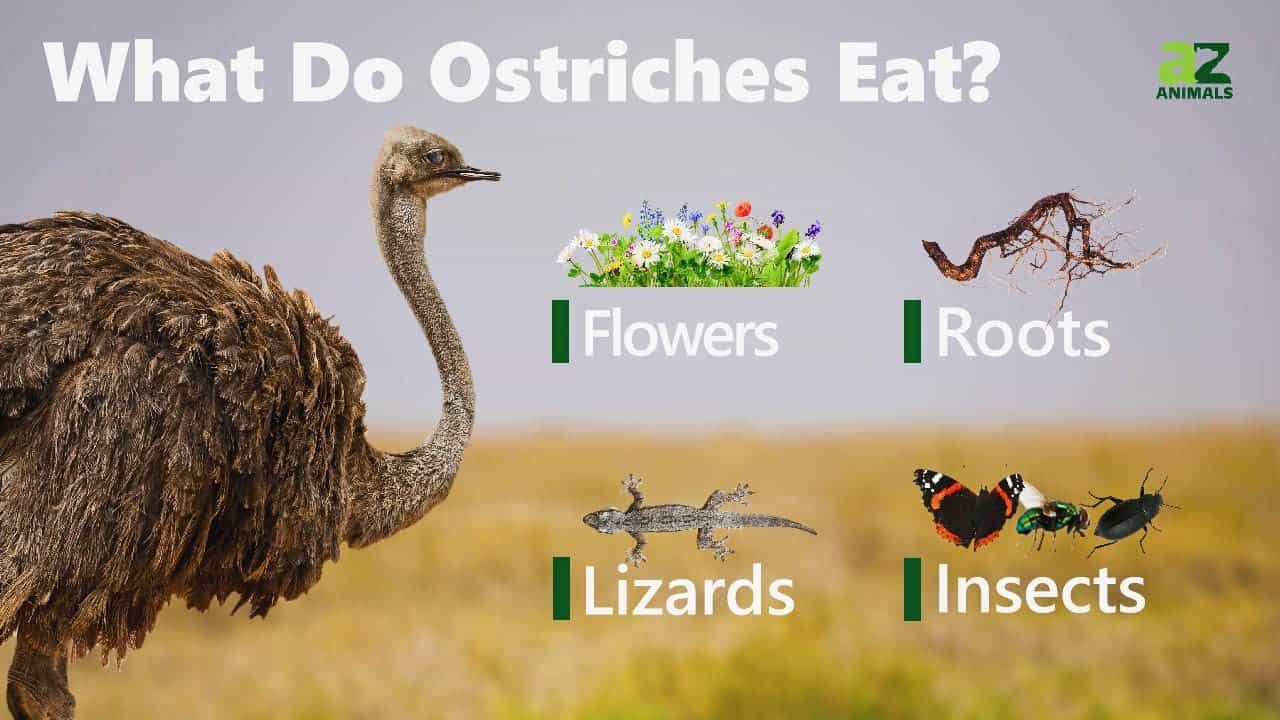
First, let’s get the boring stuff out of the way: plants. Ostriches are massive vegetarians by default. Their natural diet is about 80% plant matter, and they are not picky about it. They munch on grass, leaves, seeds, roots, and flowers like a giant, flightless vegan influencer at a farmer’s market.
Must Read
They have a particular taste for succulents. In the wilds of Africa, they’ll demolish a patch of tough, spiky plants that would make a goat weep. Their gizzard—a muscular stomach pouch filled with stones—grinds this fibrous junk into digestible mush. Basically, they have a built-in blender made of rocks. Metal.
But here’s the kicker: they don’t just eat the good bits. They’ll eat everything that looks even remotely edible, including twigs, bark, and the occasional unlucky insect. It’s less “fine dining” and more “hobo foraging.”
The Sanitary Superpower
Now, here is where it gets wonderfully weird. Ostriches are famous for eating gravel. Yes, gravel. Rocks. Pebbles. If you dump a bag of driveway stones in front of an ostrich, it will look at you like you just offered it a Michelin-star meal. They swallow these stones deliberately and store them in their gizzard.
Why? Because they don’t have teeth. And since they can’t chew their food, they use these pebbles as internal grinding stones. The rocks tumble around in their stomach, pulverizing tough seeds and stalks into a smooth paste. It’s like having a food processor made of geology in your belly. “Excuse me, waiter, there’s a small boulder in my salad.” “Yes, that’s the course.”
 What Do Ostriches Eat? (Interesting Diet & Eating Habits)
And they don’t stop at rocks. If an ostrich finds a shiny coin, a piece of glass, or a lost car key, it will absolutely try to swallow it. This is not a joke. Zookeepers have to be incredibly careful, because an ostrich will eat anything that fits in its beak, including metal bolts, plastic toys, and your watch. They are the goat of the dinosaur world, but with better eyelashes.
The Surprising Meat-Eating Habit
Okay, so they’re mostly plant-eaters. But let’s not pretend they’re holy. Ostriches are opportunistic carnivores. If a juicy grasshopper, a fat lizard, or a slow field mouse wanders by, that bird will snap it up with zero remorse. They don’t hunt; they just collect protein that gets too close.
Think of it this way: imagine you’re at a buffet, and your plate is 90% broccoli and quinoa. Then you see a stray chicken wing sitting on the table. You’re eating the wing. That’s the ostrich.
But wait, there’s more. They have also been observed eating the carcasses of dead animals. Yes, your pet ostrich could hypothetically snack on a dead zebra if it found one. It’s not their main meal, but they’re not above a little free-range roadkill. They are the raccoons of the savannah, but taller and with better posture.
 Premium Photo | Ostriches are eating fresh green grass at the ostrich-farm
The Digestion Marathon
Another hilarious fact: ostriches have a digestive tract that is shockingly long—about 14 meters (46 feet) from beak to butt. That’s longer than a school bus. Why? Because they need time to break down all that fibrous plant matter. But here’s the twist: despite eating all that junk, they are incredibly efficient at extracting water.
Ostriches can go for days without drinking actual water. They get most of their moisture from the plants they eat, especially succulents. In the desert, this is a god-tier superpower. They are basically wandering water bottles with legs.
And because they eat so much fiber, their droppings are… well, let’s just say they’re legendary. An ostrich produces a massive pile of green, liquidy poop mixed with solid pellets. It’s nature’s way of saying, “I ate a whole bush and some rocks, and this is the consequence.”
The Verdict
So, what do ostriches eat? Everything except manners. A salad of grass and roots, spiced with pebbles and gravel, topped with the occasional insect or dead mouse. They are the ultimate recyclers. If you ever see an ostrich staring at your picnic basket, don’t feel flattered. It’s not admiring you. It’s calculating whether it can swallow your Tupperware whole.
And next time you’re at the zoo, remember: you are looking at a creature that is part bird, part dinosaur, and part garbage disposal unit. They live on a diet of leaves, love, and small rocks. Respect the ostrich. And maybe hide your car keys.