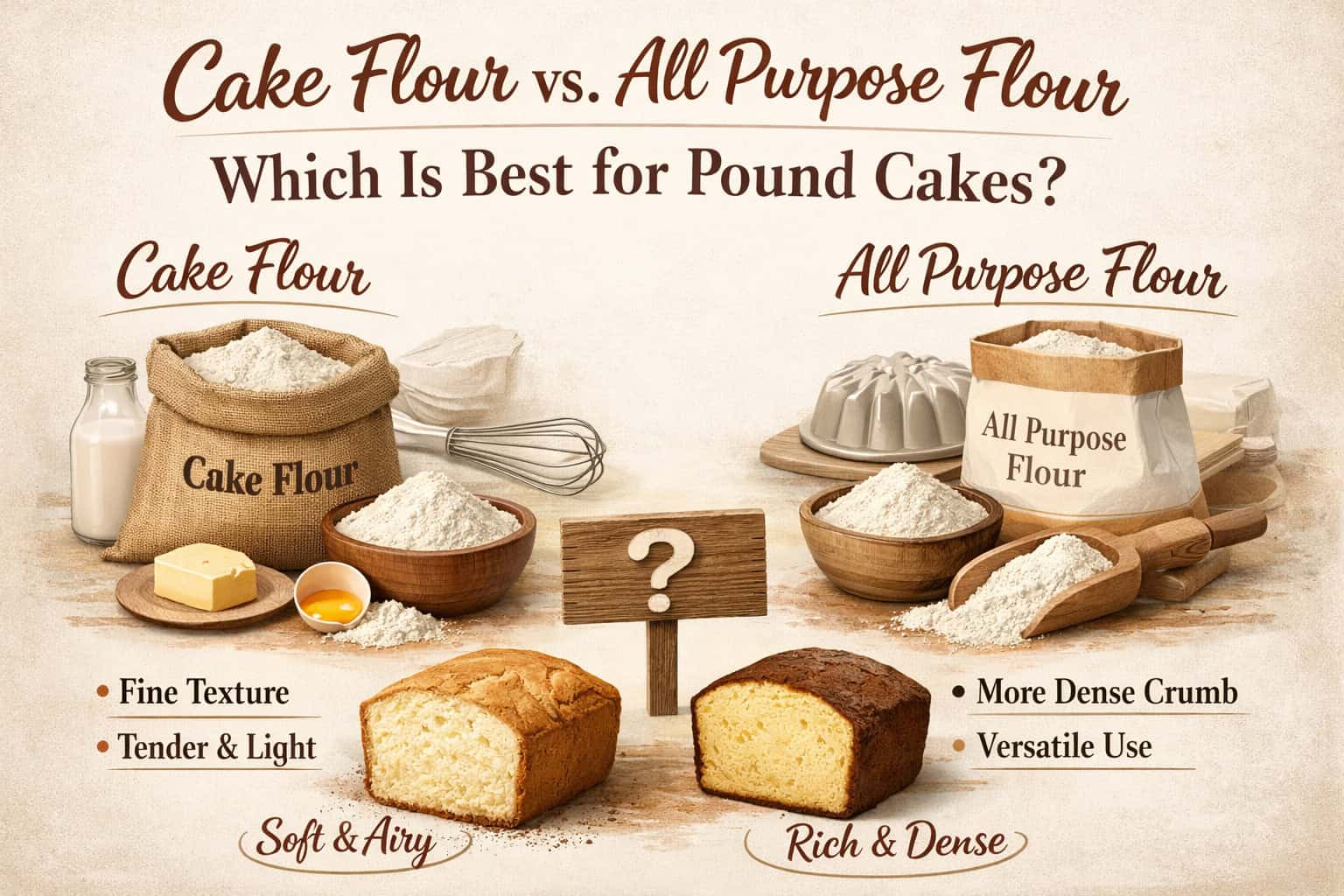
So, you’re standing in the baking aisle, staring at two bags of flour like they’re about to fight a duel. One whispers “Pastry Flour,” the other shouts “All-Purpose,” and you’re just trying not to cry. Relax, friend—I’ve got you covered. We’re about to crack this flour mystery wide open, with zero judgment and maximum laughs.
What’s the Real Difference?
Think of flour as having a “personality score” based on protein content. Protein is what makes gluten—the stretchy, chewy stuff that holds your baked goods together. All-purpose flour sits right in the middle, like the cool kid who gets along with everyone. It packs about 10 to 12 percent protein, making it perfect for cookies, pizza dough, and your famous chocolate chip pancakes.
Now, pastry flour is the gentle, delicate cousin. It has 8 to 9 percent protein, which means it forms less gluten. Less gluten means less toughness—and tenderness, flakiness, and melt-in-your-mouth goodness. Pastry flour is basically the flour equivalent of a soft hug from your grandma.
Must Read
So if you want a sturdy structure, grab all-purpose. If you want a delicate crumb that crumbles in a good way, reach for pastry flour. Simple, right? (Don’t worry, the moment I say “gluten,” half of us panic—but we’re powering through.)
When Should You Use Each One?
Let’s get practical. All-purpose flour is your everyday hero. You use it for bread loaves, thick-crust pizza, chewy cookies, and that one time you tried to make your own pasta and ended up with glue (we’ve all been there). It’s also the go-to for thickening sauces and gravies—just don’t let the lumps judge you.
Pastry flour shines in delicate bakes. Think pie crusts, scones, biscuits, muffins, and tender cakes. If you’ve ever bit into a biscuit that was so tough you had to gnaw it like a shoe, that baker used all-purpose instead of pastry flour. Save the toughness for your gym workout, not your pastry.
Fun fact: If you don’t have pastry flour, you can fake it. Just mix 1 cup all-purpose flour with 2 tablespoons cornstarch. Boom—you now have a low-protein impostor that works surprisingly well. Your secret is safe with me.
Why Does Protein Matter So Much?
Here’s the science bit, explained like we’re at a coffee shop. Imagine gluten is a network of rubber bands. The more protein you have, the more rubber bands you create—making your dough strong, elastic, and ready to spit back at you (if it had a mouth). All-purpose flour makes medium-strength rubber bands—good for folding, stretching, and not breaking.
Pastry flour makes weak, wimpy rubber bands—and that’s a good thing. Weak bands mean your pie crust crackles when you cut into it, instead of fighting back like a wrestler. You want your shortbread to crumble gently, not shatter like a window. Pastry flour understands this deep, emotional level.
 Cake Flour Vs All Purpose Flour
So the difference is basically: all-purpose builds a house; pastry flour builds a dollhouse. Both are lovely, but one is more fun to demolish with your teeth.
Can You Swap Them?
Technically, yes—but you might regret it. If you swap pastry flour for all-purpose in a bread recipe, your loaf will be flatter than a pancake that’s given up on life. The gluten won’t hold the gas bubbles, and you’ll get a sad, dense brick. Not ideal.
If you swap all-purpose for pastry flour in a tender cake, your cake might turn out a bit tough. It won’t be a total disaster—you can still eat it—but it won’t be that light, cloud-like texture you were dreaming of. You’ll be like, “This is fine,” while mentally cursing yourself.
The lesson? Use the right flour for the job. Your taste buds will thank you, and your pastry won’t feel personally attacked.
What About Gluten-Free Flours? (The Plot Thickens)
Oh, you thought we were done? No, no—gluten-free flour blends are the wild card here. They often contain rice flour, tapioca starch, and xanthan gum, and they behave like a completely different species. If we’re being honest, gluten-free flours are the rebellious teenagers of the flour world—you never know what they’ll do at a party.
Pastry flour and all-purpose both come from wheat. Gluten-free blends? No wheat at all. So they don’t play by the same gluten rules. If you’re baking gluten-free, just find a blend labeled “cup-for-cup” and follow the recipe like it’s a treasure map. The comparison to plain wheat flour will only make you cry into your batter.
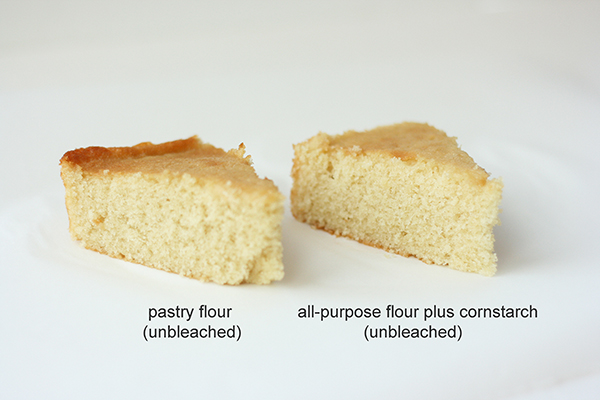 Which Flour Is Best? | The Cake Blog
For now, let’s stick with our two wheat-based friends: reliable, middle-of-the-road all-purpose, and delicate, dreamy pastry flour.
A Quick Cheat Sheet (Because You’re Busy)
Still confused? Here’s the short version: All-purpose flour is for everyday baking and cooking—cookies, bread, pancakes, thickener. Pastry flour is for delicate, tender things—pie crusts, scones, shortbread, muffins that kiss your soul.
If a recipe asks for pastry flour but you only have all-purpose, add two tablespoons of cornstarch and pretend you’re a mad scientist. If a recipe asks for all-purpose and you only have pastry flour, just proceed with caution—your result will be tenderer, but not a crime against humanity.
The Uplifting Conclusion (Cookie Guarantee)
So here’s the truth: You don’t need to be a flour expert to bake something amazing. Whether you grab the bag labeled “all-purpose” or the one that says “pastry,” you are making food with your own two hands. That’s heroic. Your kitchen might get messy, the flour might fly everywhere, and your cat might sneeze into the bowl—but you’re doing it. You’re creating joy.
And remember: If your pie crust doesn’t turn out perfectly flaky, or your cookies are a little too tender, you still get to eat them. That’s a win. Life is too short to stress over two different bags of powder. One is just a little softer, a little more fragile, like a shy friend who warms up after a few cookies. The other is the reliable buddy who’s always there for pizza night.
Go bake something. Laugh at the mess. And next time you’re in that baking aisle, look at both bags and say, “I know what you’re about, little flour—and I respect you.” You’ve got this. Now go make some tasty chaos.