Okay, let’s get one thing straight before we dive in. The question “When did the Russo-Ukrainian war start?” isn’t as simple as pointing to a single date on a calendar. It’s like asking when a storm began—with the first raindrop, or with the distant thunder an hour before?
For most of the world, the answer is February 24, 2022. That’s the morning a lot of us woke up to scrolling through headlines about tanks rolling across borders. It felt sudden, violent, and bewildering, like a movie you didn’t buy a ticket for.
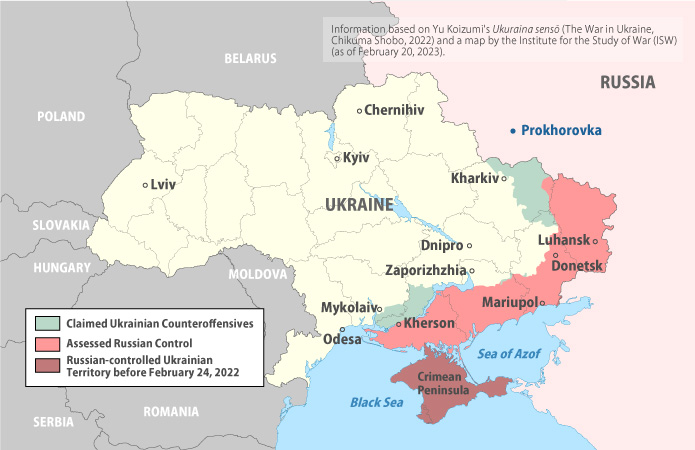
But if you ask a historian or someone from eastern Ukraine, they’ll likely give you a much earlier date: 2014. Specifically, late February 2014, when Russia annexed Crimea and pro-Russian separatists began seizing towns in the Donbas region. That was the real opening scene.
Must Read
Let’s pause for a fun little fact: The Crimean annexation in March 2014 involved what local wits dubbed “little green men.” These were masked, unmarked soldiers in crisp green uniforms who showed up at strategic sites, polite but firm, denying they were Russian troops. It was like a weird, tense theatre production.
So why does 2022 feel like the “official” start? Because that’s when the conflict escalated from a simmering, localized war into a full-blown, continent-shaking invasion. Think of it like a band you followed at small clubs suddenly headlining Glastonbury. The scale, the noise, the global attention—everything changed.
Culturally, this war has rewired our understanding of modern life. We now casually discuss drone warfare over morning coffee, and Starlink is a household word. It’s surreal, right? One minute you’re checking the weather, the next you’re reading about how Ukrainians use dating apps to report troop movements.
The Timeline You Actually Need to Know
Let’s keep this practical. You don’t need a PhD in geopolitics to grasp the basics. Just remember these three key moments, and you’ll sound informed at any dinner party.
First: November 2013 – February 2014. Ukraine’s pro-Russian president backed out of a trade deal with the EU, sparking the massive Euromaidan protests. It was a civic awakening, with people camping in Kyiv’s main square in sub-zero temperatures. The vibe was equal parts Woodstock and revolution.
Second: February 2014. The protests toppled the president, Russia swiftly moved into Crimea, and the war in Donbas began. Try to remember this date for trivia: February 27 is when the “little green men” seize Crimea’s parliament building. It’s a neat factoid.
Third: February 24, 2022. The full-scale invasion. This is the date that broke the internet, spiked oil prices, and made “Kyiv” pronunciation a global debate (it’s KEE-yiv, not KEE-ev).
Practical Tips for Your Own Sanity
War news is exhausting. But you don’t have to be a passive, anxious scroll-monster. Here are three practical tips to stay informed without losing your chill.
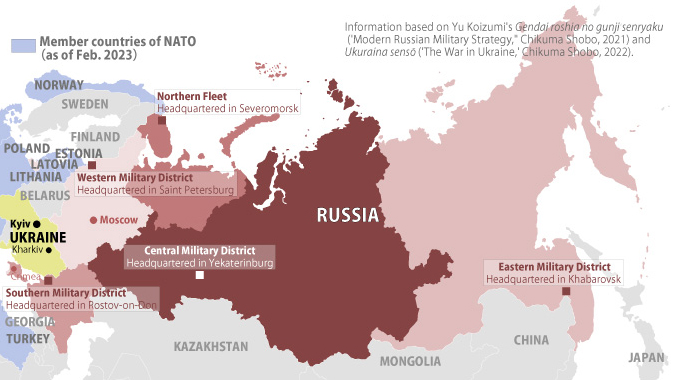 The Russo-Ukrainian war | The University of Tokyo
Tip 1: Curate your sources. Follow one or two reputable journalists who specialize in the region—like Simon Shuster or Oleksiy Sorokin. Avoid the algorithm’s doom buffet. Your brain doesn’t need 50 updates an hour.
Tip 2: Map it out. Get a good mental map of Ukraine’s geography. Visualize the Dnipro River splitting the country, and the eastern Donbas region. When you hear “Kharkiv” or “Odesa,” you’ll picture their positions. It turns abstract horror into something you can follow like a weather front.
Tip 3: Take action, small scale. Donate to a verified aid organization like United Help Ukraine or Voices of Children, which supports trauma therapy for kids. It shifts you from helpless to helpful. Plus, it’s a great bonding topic—ask friends if they’ve done 4-for-4 matching for a charity drive.
Culture, Music, and War
One of the most fascinating cultural shifts is how Ukrainian music has become a symbol of defiance. The song “Oi u luzi chervona kalyna” (Oh, the red viburnum in the meadow) went viral. It’s a folk tune from a century ago, now belted out in subway stations and stadiums worldwide.
Fun fact: The viburnum berry, or kalyna, is a national symbol of Ukraine. It represents resilience and beauty—pretty fitting for a country that’s been under repeated assault. Next time you see a bush with bright red berries, think of that.
Even fashion got in on it. The vyshyvanka, Ukraine’s traditional embroidered shirt, became a quiet protest accessory. Wearing one in 2022 was like saying, “I see you, I stand with you,” without uttering a word. Style with substance.
What This Means for Your Tuesday
Here’s the reflection part, and it’s short. The war started on different days for different people, but the lesson for daily life is simple: Timelines are personal. Your own struggles—a job loss, a breakup, a bad health scare—also have their quiet starts, long before the dramatic explosion.
Be kind to yourself when things feel chaotic. Recognize that the “official start” of a hard moment is often just the day you couldn’t ignore it anymore. And just like Ukraine’s defenders, sometimes the small, everyday acts—calling a friend, brewing good coffee, tending your garden—are the real resistance against despair.
So, when did the Russo-Ukrainian war start? It depends on who you ask. But the bigger truth? Every conflict, big or small, begins long before the first headline. And every peace, too, starts with a single breath. Now go take one.