
There’s a moment in late autumn when the world seems to hold its breath. The air turns crisp, and the trees shed their final leaves, but the Fuyu persimmon tree stubbornly clings to its bright orange fruit. That’s when you start to wonder: is it time to pick them yet?
For the uninitiated, the Fuyu persimmon is the squat, tomato-shaped variety you can eat like an apple. Unlike its astringent cousin, the Hachiya, the Fuyu is sweet even when firm. But picking it too early means missing out on peak flavor, while waiting too long can leave you with a mushy mess.
The Golden Rule: Color Comes First
Your first clue is color. A ripe Fuyu persimmon transitions from a pale greenish-yellow to a deep, uniform orange, almost glowing like a sunset. If you see even a hint of green near the stem, leave it on the branch for another week.
Must Read
Don’t rely on size alone—Fuyus can vary greatly depending on the tree’s age and water intake. Instead, trust your eyes and a gentle touch. The fruit should feel firm but with a slight give, similar to a perfectly ripe avocado but without the squish.
The Snap Test (It’s Real)
Here’s a pro tip from orchard growers: give the stem a gentle tug. A truly ripe Fuyu will break off cleanly from the branch, leaving a neat little cap. If you have to wrestle it, it’s not ready yet.
Think of it as nature’s permission slip. The tree knows when the fruit’s sugars have fully developed, and it lets go willingly. Forcing a persimmon off early is like taking a cupcake out of the oven before it’s baked—doable, but disappointing.
Timing is Everything (And the Weather is Your Boss)
In most climates, Fuyu persimmons ripen from late October to early December. But weather plays a wild card. A surprise frost can actually improve sweetness by concentrating sugars, while an early freeze can turn fruit to mush overnight.
If a hard freeze is forecast, don’t panic. You can pick all the fruit, even if it’s slightly underripe, and let it ripen indoors on a countertop. They won’t get as complex as tree-ripened, but they’ll still be delicious in salads or baked goods.
Fun fact: Fuyu persimmons are part of the ebony family, which means their wood is incredibly dense and dark. The fruit is like the sweet, shareable cousin of a very serious lumber tree.
A Note on "Astringency" (Or Lack Thereof)
If you bite into a Fuyu and your mouth feels fuzzy, you’ve picked it too early. That weird dry sensation is called astringency, caused by tannins that haven’t yet converted to sugar. Fuyus are non-astringent by nature, but only when fully mature.
Compare this to the Hachiya variety, which will pucker your face like a lemon no matter what until it’s basically jelly. With Fuyus, you get the green light to eat them crisp, like an apple, or wait until they soften for a pudding-like texture.
Practical Tips for the Perfect Pick
Use clippers, not your hands. Even if the stem snaps easily, clean cuts prevent damage to the tree and the fruit. This also reduces the risk of rot during storage.
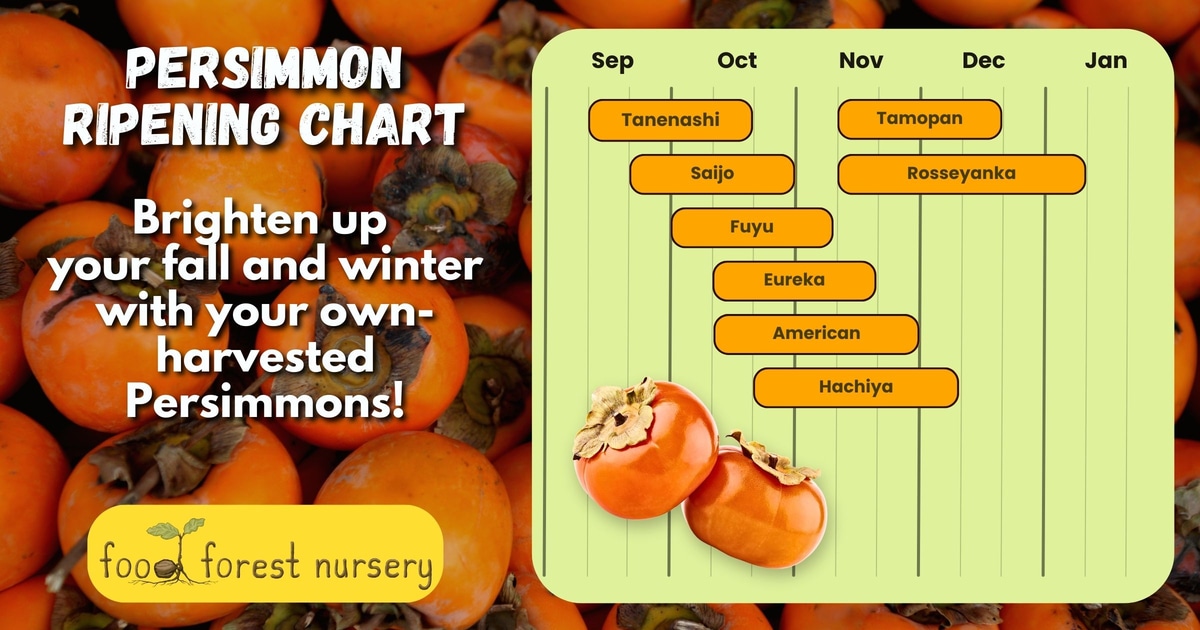 Persimmon Ripening Chart - When Is Persimmon Season?
Never wash persimmons before storing. Moisture invites mold. Instead, give them a quick wipe with a dry cloth and store them in a single layer in the fridge, where they’ll keep for up to three months. Yes, you read that right.
Want to speed up ripening? Pop a Fuyu in a paper bag with an apple or a banana. The ethylene gas those fruits release will hurry things along, turning your firm orange gems into silky sweetness in just a day or two.
Cultural Wisdom from the East
In Japan, persimmons (kaki) are symbols of transformation and good luck. The traditional practice of hoshigaki—peeling and drying the fruit—turns them into gummy, candy-like treats that last all winter. It’s a meditation in patience.
Korean households often ferment them into a tangy vinegar or slice them into spicy salads. And in the American South, you’ll find Fuyus baked into breads and puddings, standing in for pumpkin with a more subtle sweetness.
The Big Reveal: How to Know It’s Finally Ready
The ultimate test is taste. Slice into one while it’s still firm: the flesh should be coral-orange, with no green tinge near the center. The flavor should be honeyed, with notes of brown sugar and a hint of cinnamon.
If it tastes like nothing or has a watery crunch, give the others on your tree another week. If it’s soft and jammy, you waited a few days too long—but don’t throw it away! Use it for smoothies, sauces, or as a natural sweetener in oatmeal.
And here’s a secret from old orchardists: persimmons ripen from the inside out. A perfectly ripe exterior can hide a core that’s still a bit firm. If you like that texture, plow ahead. If not, wait until the entire fruit yields to gentle pressure.
A Short Reflection
Picking a Fuyu at its peak is a quiet lesson in timing and trust. You can’t rush it, you can’t fake it, and you can’t microwave it into submission. The tree simply offers its fruit when the days grow short and the light turns golden.
Maybe that’s what we love about autumn: it reminds us that the best things in life come exactly when they’re supposed to. So grab a bowl, head outside, and listen to the tree. It knows when it’s time.