
There’s a specific, almost cinematic moment when a lemon on the tree goes from being a promising green marble to a sun-kissed, ready-to-pluck star. It’s not just about color; it’s about feel, a little bit of patience, and a touch of gardener’s intuition. Let’s be honest: we’ve all been there, hovering over a tree, asking, “Is it time yet?” The good news is, Mother Nature gives you plenty of clues.
The Golden Rule: Patience Over Panic
First, forget everything you know about supermarket lemons. Those are often picked green and gassed to turn yellow. A truly ripe lemon on the tree has a deeper, almost waxy sheen, and it yields slightly to gentle pressure—like a ripe avocado, but firmer.
The biggest mistake people make is picking too early. A lemon that ripens on the branch develops complex sugars and a perfume you can’t fake. If it’s still rock-hard and pale, just leave it be.
Must Read
Here’s a fun fact: lemons can hang on the tree for months without spoiling. In fact, they often get sweeter after a cold snap. That’s why winter lemons are often the best.
The Color Test (And Why It Lies)
Yes, a ripe lemon is yellow. But not all yellow is ripe. If the lemon is a bright, uniform yellow, it might be ready—but check the shoulder near the stem. If that’s still greenish, the citrus hasn’t fully separated from the tree’s energy supply.
Conversely, don’t panic if you see a few green patches. Lemons can be perfectly juicy and sweet even with a slight green blush. The variety matters: Meyer lemons, for instance, turn a deeper orange-yellow when truly ripe.
Pro tip: Look for a lemon that has just lost its glossy shine and has a matte, smooth skin. That’s the sweet spot. If it’s wrinkled? You’ve waited too long for the juicing, but it’s still great for zest.
The Size & Weight Trick
Size isn’t everything, but weight is a dead giveaway. A ripe lemon feels heavy for its size, because it’s full of juice. If it feels light as a feather, it’s either dry or still developing.
Hold it in your palm. It should have a satisfying heft, like a polished stone. This is the same trick bartenders use when picking limes for a cocktail—they want that liquid density.
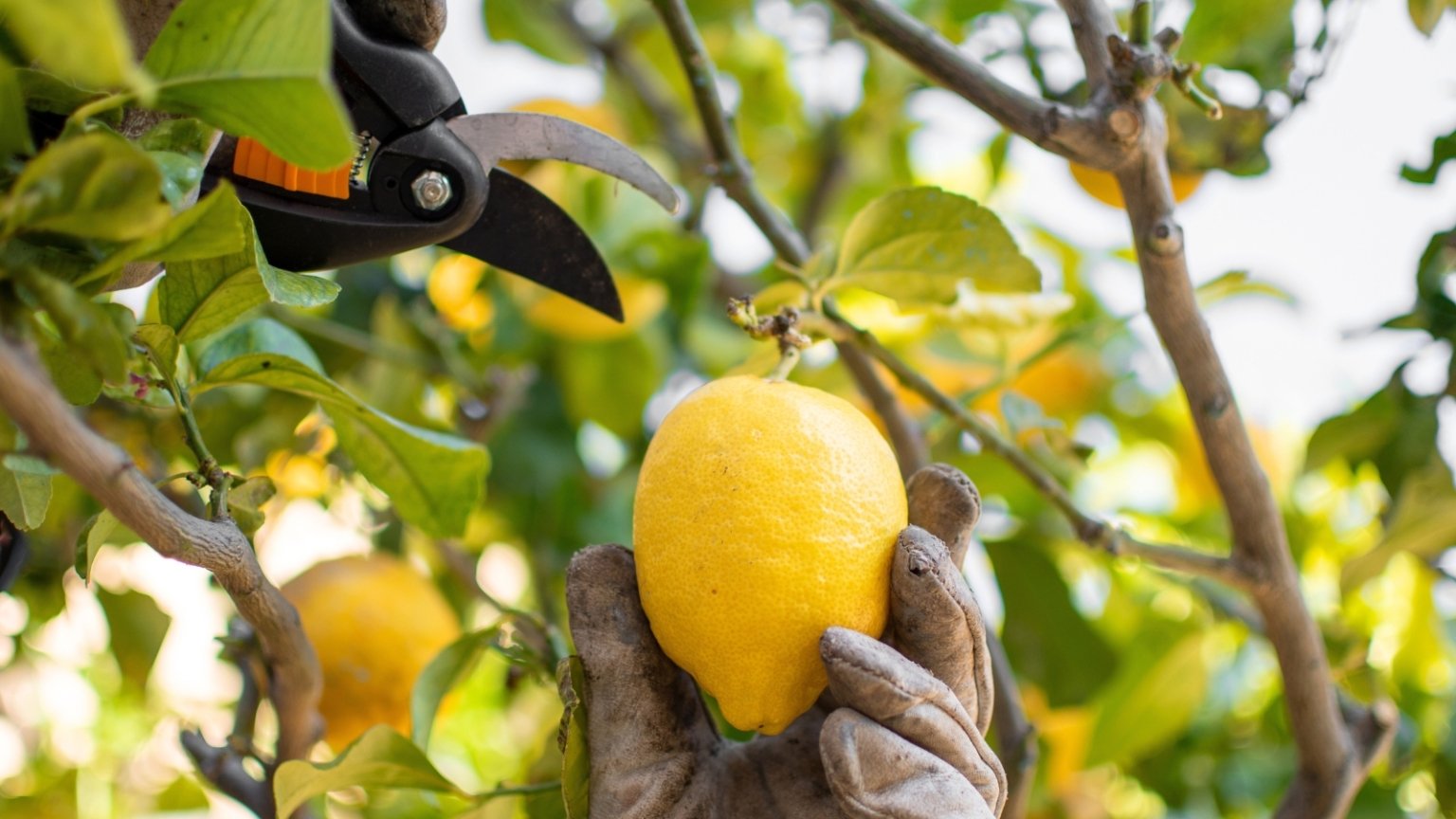 When and How to Harvest Lemons
Fun cultural aside: In Sicily, farmers often knock on lemons like they’re checking a melon. A dull, solid thud means full juice; a hollow sound means it’s past its prime. You can do the same thing.
The “Twist & Sniff” Method
Gently twist the lemon. If it comes off the branch with little resistance, it’s ready. If you have to yank or cut it, give it another week. The stem should snap cleanly, not tear a strip of bark.
Now, bring it to your nose. A ripe lemon has a bright, floral citrus scent even through the skin. If you smell nothing, the flavor will be flat. It’s like a greeting before the taste.
This connects to a bit of Mediterranean tradition: the fragrance of a lemon blossom in spring is a promise, but the scent of a ripe lemon is a conclusion. It says the wait was worth it.
Seasonality & Climate Cheat Sheet
Lemons are ever-bearing in warm climates, meaning they can fruit multiple times a year. But the main harvest window is from late fall through early spring. For USDA zones 9-11, winter is prime time.
If you live in a cooler zone with a potted lemon tree, bring it inside before frost. The fruit will ripen indoors if it’s already started turning yellow. Just give it sunlight and a warm spot.
Interesting fact: The word “lemon” comes from the Arabic word līmūn, and ancient Romans considered them a luxury item. They were so prized that they were depicted in mosaics, often next to ripe figs—symbolizing patience and abundance.
 How to Harvest Lemons for the Best Flavor Every Time
When to NOT Pick (The Early Bird Trap)
Resist the urge to harvest the first lemon you see. Often, the first fruits of the season are smaller and less flavorful. Let them mature while the tree focuses energy on later blooms.
Also, if you’ve had a dry spell, water the tree deeply and wait a week. A stressed tree produces bitter fruit. Hydrated lemons taste like sunshine and tart honey.
Here’s a practical tip: pick in the morning after dew has dried. The essential oils are most concentrated then. Evening picks can be slightly less perfumed.
What to Do With a Perfectly Picked Lemon
Once you’ve mastered the timing, you’re not just getting citrus—you’re getting artisanal fruit. Use it within a week for peak flavor, or refrigerate in a plastic bag for up to a month.
Grate the zest immediately (while it’s still firm) and freeze it. This is a secret trick of professional bakers. You’ll have summer in a jar during winter chill.
And don’t throw away the spent lemon halves! Rub them on your cutting boards to remove stains and odors. It’s the circle of citrus life.
So next time you stand under your lemon tree, give the fruit a gentle squeeze, a sniff, and a twist. You’re not just picking a lemon—you’re reading the tree. It’s a conversation based on patience, and the answer is always a little bit sweet, a little bit tart, and completely yours.