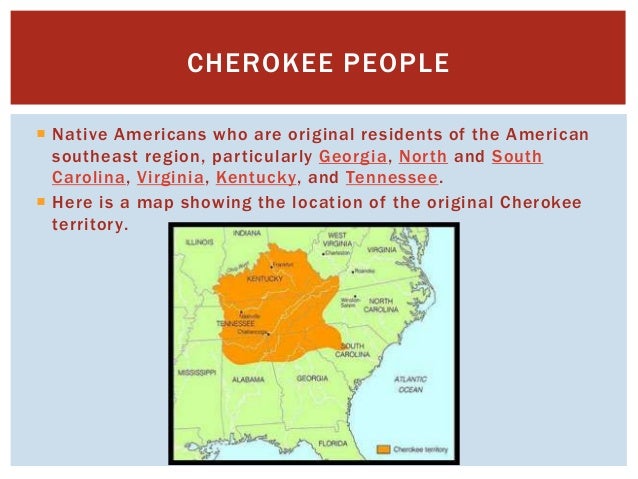
So, you’ve heard of the Cherokee Nation, and you’re wondering, “Where exactly do they live today?” It’s a great question, because the answer is a story of resilience, not a single dot on a map. The Cherokee people are not just a historical footnote; they’re a thriving, modern community with a powerful presence in the 21st century. Let’s take a relaxed tour of their home, from the rolling hills of Oklahoma to the urban centers of the United States.
The Heartland: The Cherokee Nation in Oklahoma
The primary, sovereign homeland of the Cherokee Nation is a 7,000-square-mile tract of land in northeastern Oklahoma. This is where the capital, Tablequah, sits—a charming town that blends small-town America with deep Indigenous roots. Think of it as the cultural and governmental nucleus for over 400,000 enrolled tribal citizens.
Driving through this area, you’ll see the Cherokee Nation’s influence everywhere: from the Cherokee Nation Health Services to the Cherokee Phoenix newspaper, which has been published since 1828. It’s not a “reservation” in the classic sense; it’s a jurisdictional service area, a modern nation within a nation. Fun fact: The Cherokee Nation is the largest tribe in the United States by population, so this is a big deal.
Beyond Oklahoma: The Eastern Band and The United Keetoowah Band
But wait—there’s more. You can also find Cherokee communities far from Oklahoma. The Eastern Band of Cherokee Indians calls the misty mountains of western North Carolina home. They live on the Qualla Boundary, a territory adjacent to the Great Smoky Mountains National Park. This is the land their ancestors refused to leave during the Trail of Tears.
If you visit Cherokee, North Carolina, you’ll step into a vibrant cultural hub. You can watch master craftspeople weave baskets, taste fry bread at a powwow, or hike to the sacred site of Mingo Falls. A third group, the United Keetoowah Band, also resides in Oklahoma, near Tahlequah, but with a distinct government and history. So, the answer to “where do Cherokee live” is: in multiple communities, each with its own story.
The Urban Cherokee: A Growing Trend
Here’s a fun fact that might surprise you: a huge number of Cherokee citizens live in major cities. Because of work, education, or family ties, many have moved to places like Los Angeles, Dallas, Chicago, and New York City. This is part of a larger story of Indigenous urbanization that began with the Indian Relocation Act of the 1950s.
 Cherokee Nation Reservation
Today, urban Cherokee communities are vibrant. You might find a Cherokee language class in a Denver community center or a beadwork workshop in a Houston art studio. The tribe’s citizen services extend to these urban populations, offering scholarships, health resources, and cultural events. So, if you meet a Cherokee person in a bustling city—yes, they are home.
Practical Tips for Visiting Cherokee Country
If you want to experience Cherokee life respectfully, start with the Cherokee Heritage Center in Tahlequah. It’s an open-air museum that brings 11,000 years of history to life. For a more immersive experience, visit the Qualla Arts & Crafts Mutual in North Carolina—the oldest Native-owned cooperative in the U.S.
Want to eat like a local? Try the grape dumplings at a community dinner near Tahlequah, or the wild onions with scrambled eggs in spring. And please, remember these tips: ask before taking photos, buy crafts directly from artists, and understand that the Cherokee Nation is a sovereign government—be a respectful guest.
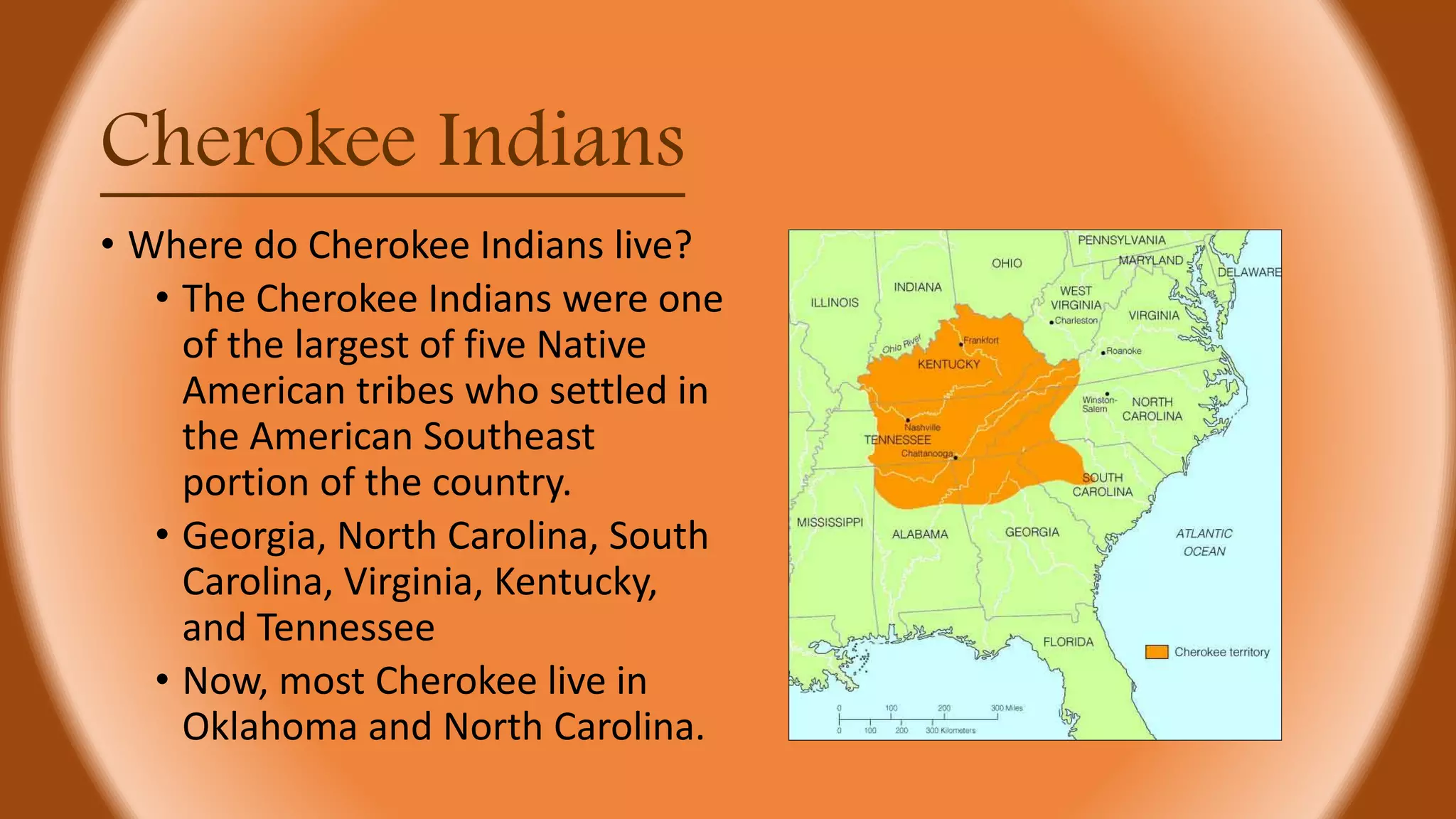 Sequoyah & Cherokee Indians- 2nd Grade Unit | PPTX
Cultural References You’ll Love
Did you know the Cherokee syllabary (the writing system) was created by Sequoyah in the early 1800s? It’s one of the few times in history that a single person invented an entirely new writing system for his people. Today, you can see it on highway signs in Oklahoma and on the tribal newspaper.
Another fun tidbit: The Cherokee Nation owns several businesses, including hard rock casinos and a hotel in Catoosa, but the profits fund education, health care, and language programs. So when you buy a souvenir, you’re supporting a self-sustaining nation. Also, the Cherokee language is a tonal language, meaning the pitch of your voice changes the meaning of a word—think of it like singing while you talk!
A Reflection for Daily Life
Thinking about where the Cherokee live today reminds us that home is never a single address. It’s a feeling—of belonging, of carrying your history in your pocket, of finding community where you are. Whether you’re in a small town or a high-rise apartment, your roots can travel with you.
So, next time you’re stuck in traffic in a big city or hiking a misty mountain trail, take a moment to appreciate the stories beneath your feet. The Cherokee people have been weaving those stories for millennia, and they are still writing new chapters—in Oklahoma, in North Carolina, and in every corner of America. Wherever you go, carry that resilience with you.