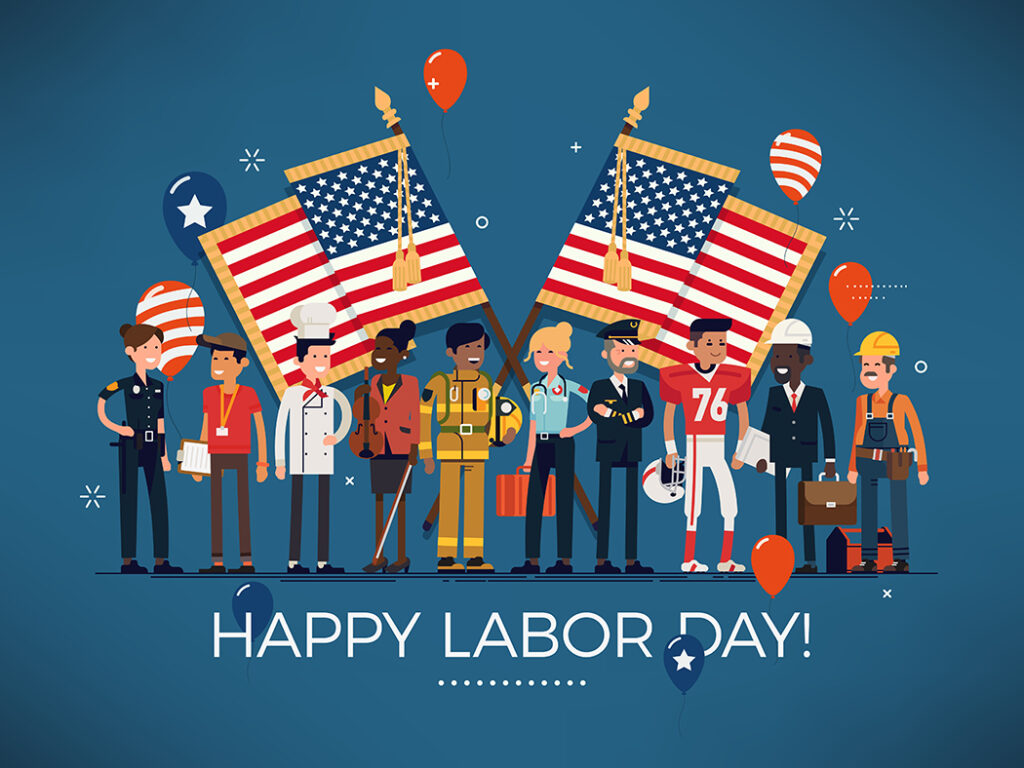
Let’s be honest: when Labor Day weekend rolls around, most of us aren’t thinking about the labor movement. We’re thinking about the last pool party, the final burger off the grill, or scoring a deal on a mattress.
But there’s a deeper question lurking beneath that long weekend buzz. Who exactly is this holiday for? Is it for the office worker drowning in spreadsheets, the gig-economy hustler, or the person who hasn’t had a real day off in months?
The short answer: It’s for all of us. But the history? That’s a little more specific—and surprisingly radical.
Must Read
The Original Party Crashers
Flash back to the 1880s. The average American worker clocked 12-hour days, seven days a week. Children as young as five toiled in factories. Sound fun? It wasn’t.
So, labor unions—groups of fed-up workers—decided to fight back. They organized parades, strikes, and picnics to demand the eight-hour workday.
The very first Labor Day parade happened on September 5, 1882, in New York City. 10,000 workers marched without pay, just to prove a point. They even lost a day’s wages to celebrate the dignity of work.
That’s the twist: Labor Day was created by workers, for workers—to honor the collective power of people who build, cook, clean, code, and drive this country forward.
So, Who Gets the Day Off?
Legally? Almost no one. Labor Day is a federal holiday, meaning government offices close and banks shut down. But 40% of private-sector employees still work on Labor Day, according to the Bureau of Labor Statistics.
Think about that. The holiday meant to celebrate rest is ironically a workday for retail staff, restaurant servers, and healthcare heroes. They’re the ones serving you that burger while you relax.
It’s a little meta, isn’t it? The bartender pouring your holiday cocktail is, in a way, the truest embodiment of the holiday’s spirit.
Fun Fact: The “No White After Labor Day” Rule
Ever wonder where this fashion myth came from? It wasn’t a law or a union rule. In the early 1900s, old-money elites used white linen to signal they were vacationing in the country. After Labor Day, they packed it away to show they were back in the city, working.
Today? Wear white whenever you want. The only rule is comfort.
 [100+] Labor Day Pictures | Wallpapers.com
Who Actually Needs This Holiday?
If we’re being real, Labor Day is for the burnt-out. It’s for the freelancer who never clocks out, the parent whose “second shift” starts at 5 PM, and the student juggling three part-time jobs.
It’s also for the people who can’t take it off. Factory workers, delivery drivers, and gig workers who keep our world humming while the rest of us sleep in.
Because here’s the uncomfortable truth: We’ve redefined “work.” The old model of punching a clock from 9 to 5 is fading. Now, you might be answering emails at 10 PM, managing a side hustle, or caring for an aging relative. That’s work too.
Practical Tip: Celebrate Like a Union Boss
Make this Labor Day about intentional rest. Refuse to answer one email. Don’t “check in” on Slack. Better yet, take the full three days without feeling guilty about it.
Try a “digital sunset”: turn off your phone by 7 PM on Monday. Let your brain remember what silence feels like. And if you’re working? Demand a second serving of pie. You’ve earned it.
The Sandwich Generation vs. The Side Hustle
Today, Labor Day has to serve two masters. There are the traditional workers—manufacturing, construction, transport—who still live by the union calendar. Then there’s the modern workforce: the Etsy seller, the Uber driver, the remote freelancer.
For the first group, Labor Day is a victory lap. For the second, it’s a reminder that you are your own union. You have to negotiate your own time off.
And let’s not forget the “sandwich generation”—people caring for both kids and elderly parents. Their labor never gets a holiday. So this Monday, if you know someone in that squeeze, send them a coffee. Or a nap coupon.
Cultural Shout-Outs
Japan has Kinrō Kansha no Hi (Labor Thanksgiving Day) in November. They thank each other for hard work with a day off and gifts. Canada celebrates the same Monday as the U.S., but with less barbecue and more maple syrup.
 Labor Day Five Reasons To Celebrate The Value Of Work On Labor Day
Meanwhile, Denmark has Store Bededag (Great Prayer Day)—a whole day for collective rest and reflection. Imagine a nation hitting pause on productivity. Feels radical, right?
Maybe we need a little of that energy. Not just a long weekend, but a cultural permission slip to stop.
Fun Fact: The First Labor Day Had a Fire Hose
During the 1882 parade, tensions were high. Police nearly shut it down, but the workers marched anyway, dodging fire hoses meant to disperse crowds. By 1894, it became a national holiday—after President Grover Cleveland used federal troops to break a strike, killing workers. It was a PR move. Awkward history, but real.
So yes, your day off has blood on its hands. That’s not a downer—it’s a reminder that leisure was hard-won.
How to Truly Honor the Day
Don’t just shop the sales. Do one thing that connects you to the spirit of the holiday. Read the history of your own job. Thank a retail worker. Or simply sit outside and notice the quiet.
If you’re a boss, give your team a real break. Send them home early on Friday. Don’t schedule that Monday meeting. Trust me, the work will still be there on Tuesday.
If you’re a worker, unplug without apology. No one ever said on their deathbed, “I wish I’d answered more emails.”
A Final Reflection
Labor Day isn’t just about the grill. It’s about acknowledging that you are a laborer—whether you drive a truck, design a website, fold laundry, or manage a team. Your effort matters.
And in a culture that worships hustle, taking a day off is an act of quiet rebellion. So go ahead. Be rebellious. Rest. The world will still spin.
After all, the person who fought for your eight-hour day wasn’t trying to make you a better consumer. They wanted you to be a freer human being. You owe it to them to enjoy the weekend.