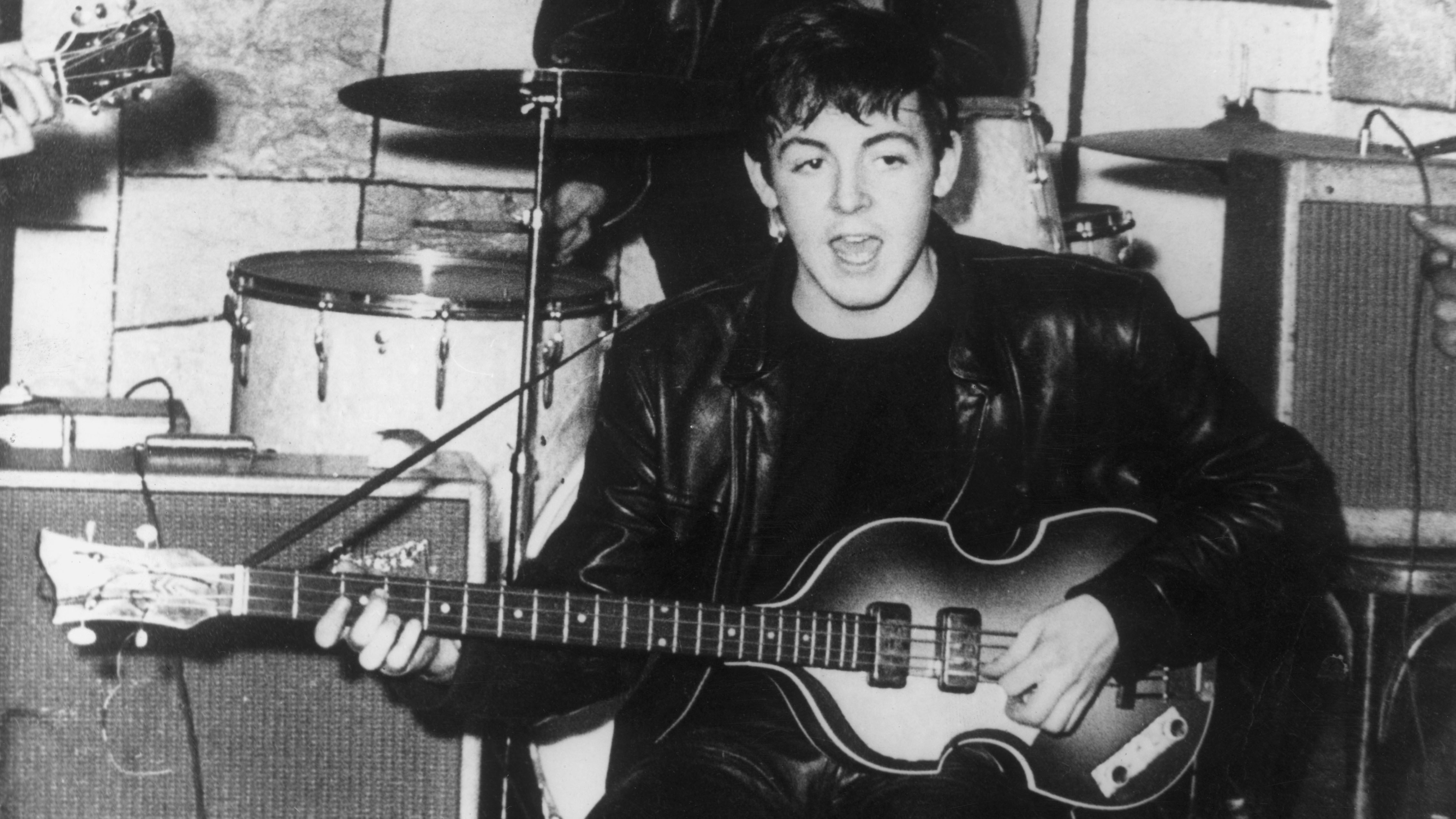
So there I was, at a friend’s party, trying to settle a bet. Someone swore that Paul McCartney was the drummer for “Helter Skelter.” I almost choked on my cheap beer. How do you get the most famous bassist in history confused with Ringo? That is when I realized the world needs a friendly reminder.
Let’s get this straight right out of the gate: Paul McCartney played bass guitar for The Beatles. Yes, that Paul—the cute one with the puppy-dog eyes and the melodic voice. He didn’t just “play” it, either; he reinvented it for pop music.
But hold on—was it always Paul? Technically, no. Before they were The Beatles, they were The Quarrymen, and the bass chair was a bit of a revolving door. You’ve probably heard of Stuart Sutcliffe (the fifth Beatle, kind of).
Must Read
Stuart was an artist, not a musician. He bought a bass on a whim, could barely tune it, and played with his back to the audience. Ouch. He looked cool, though. He left the band in 1961 to focus on painting, which was a shame for music but great for art history.
Then came the Hamburg days, where they really needed a solid bass player. Enter Paul McCartney, forced to switch from guitar. He didn’t want to do it—he felt trapped. George Harrison famously said, “We hounded him until he did it.” Good thing they did, right?
The Man Who Made the Bass Sing
Paul didn’t just play root notes like a plumber fixing a pipe. He turned the bass into a melodic instrument. Listen to “Come Together” or “Something” and tell me that bass line isn’t the star of the show.
He used a Hofner violin bass—specifically the “violin-shaped” one that looks like a prop from a 60s spy movie. Why? Because it was cheap and symmetrical. Paul is left-handed, you see. He flipped it over, and the violin shape looked the same either way. Pure, accidental genius.
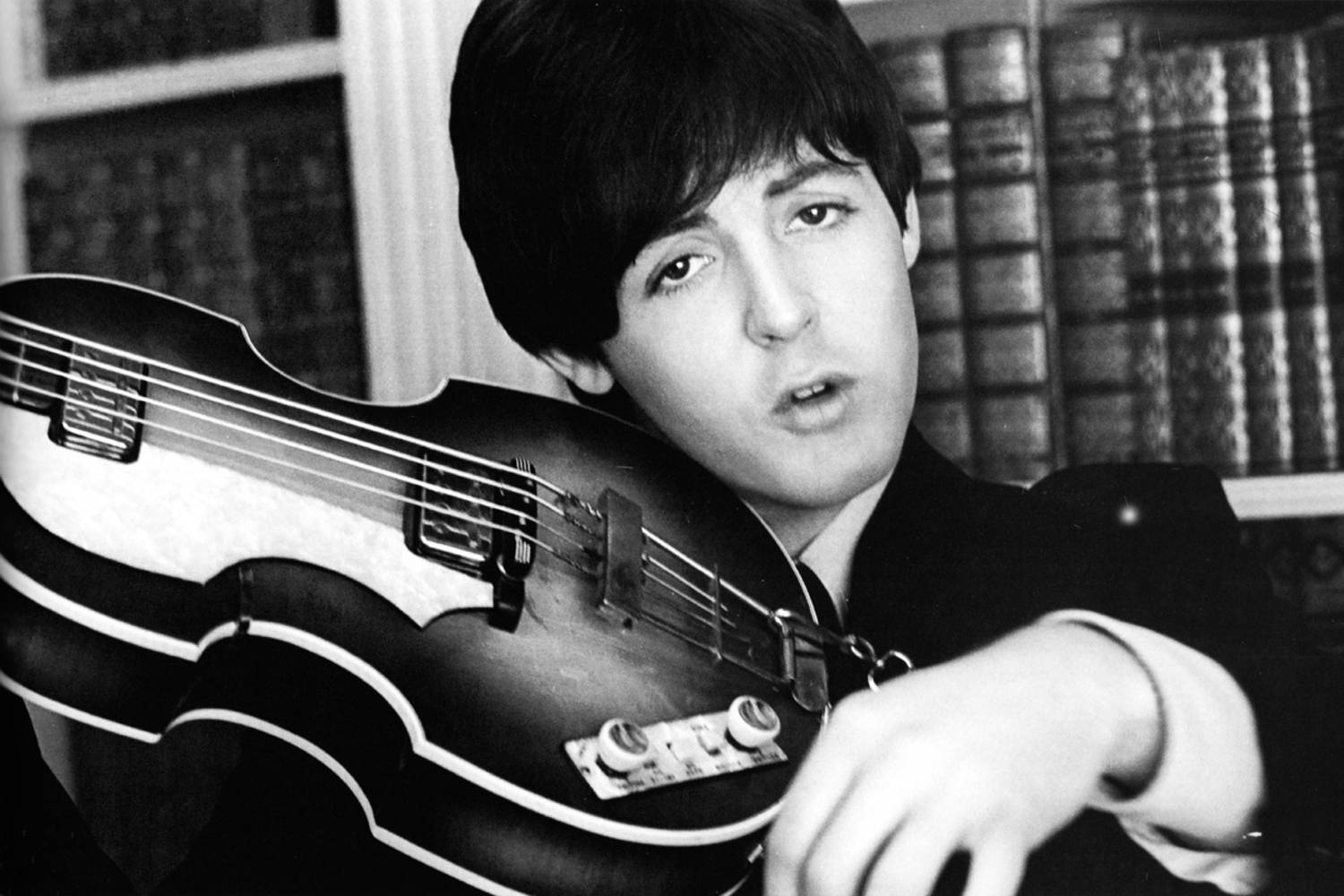 Paul Mccartney Beatles Bass
By 1965, he upgraded to a Rickenbacker 4001S, which gave us that punchy, growling sound on “Taxman” and “Rain.” But let’s be honest—the Hofner is the iconic Beatle bass. It’s like the Eiffel Tower of rock instruments.
The “Fifth Beatle” on Bass? No.
Okay, you might have heard a myth that someone else played bass on certain recordings. I’m talking about the “Paul is dead” conspiracy nonsense. People claimed a look-alike named Billy Shears played bass on “Magical Mystery Tour.” Spoiler alert: it’s still Paul.
There’s also a rumor about George Martin playing bass on “Paperback Writer.” Let’s kill that one right now: Martin was a pianist and producer, not a bassist. He might have played a keyboard bass on “Penny Lane,” but that’s a different instrument entirely.
And what about the White Album? Did John or George ever take over? Rarely. John played bass on “Let It Be” (the single version) out of sheer frustration with Paul’s perfectionism. But that’s an exception, not the rule.
Why It Matters Who Played It
You might think, “Who cares? It’s just four guys in a band.” But Paul’s bass was the glue between the drums and the guitars. Without his melodic style, songs like “Lucy in the Sky with Diamonds” would sound flat and boring.
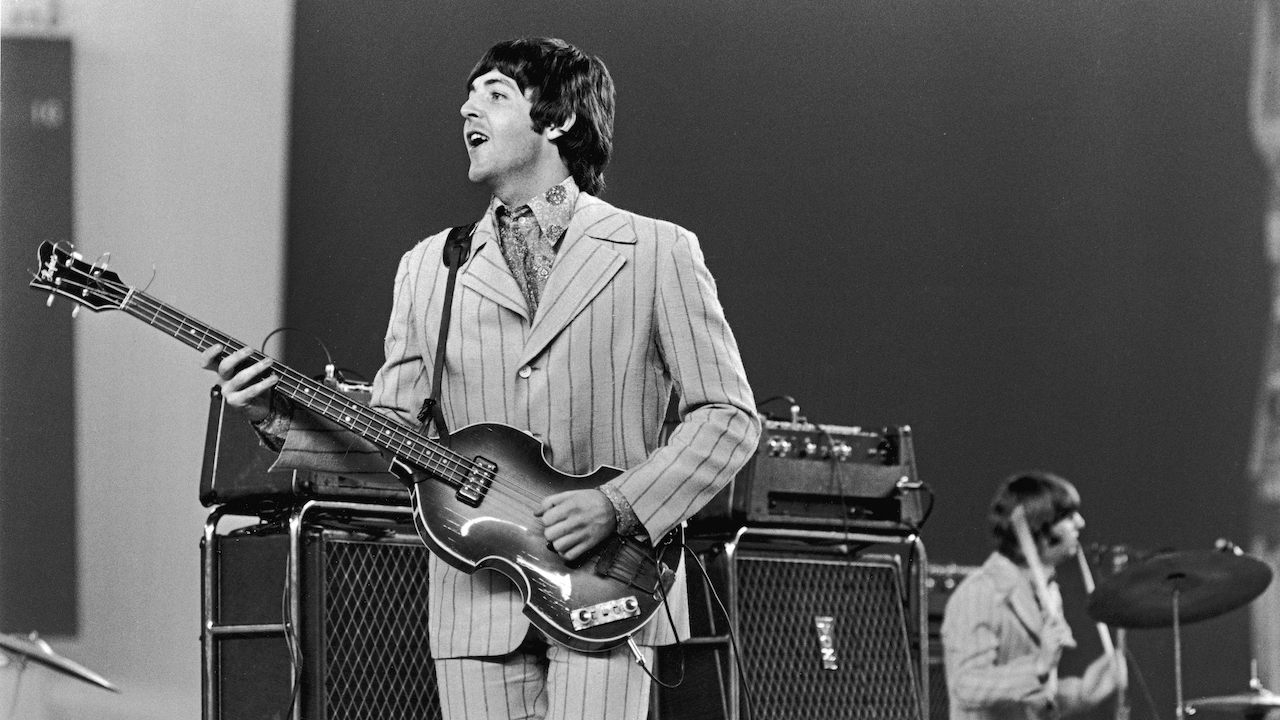 Rick Rubin says Paul McCartney is “best of all bass players” | Guitar World
He also wrote the bass parts while singing lead vocals. Try doing that. Seriously—try humming “Hey Jude” while plucking a bass line. Your brain will short-circuit. Paul made it look effortless.
And here’s the irony: Paul McCartney is considered one of the greatest bassists ever, yet he hated playing bass at first. He said it was “less glamorous” than guitar. Fast forward 50 years, and he’s the reason kids pick up the instrument.
The Final Answer (With a Side Eye)
So, to wrap this up: Paul McCartney played bass guitar for The Beatles. Not a session musician, not a conspiracy clone, not Stuart Sutcliffe’s ghost. Just Paul, with his Hofner, wearing a silly suit, changing music forever.
But here’s a little secret for your next trivia night: Paul McCartney also played drums on “Dear Prudence” and “Back in the U.S.S.R.” (Ringo was sulking in a corner). Yes, that’s right—the bassist was also the drummer for a day.
Now go listen to “I Want You (She’s So Heavy)” and pay attention to the bass. It’s not just a background noise—it’s a symphony. And remember: if someone tells you Ringo played bass, just smile and hand them a copy of Abbey Road.