
So, you’re standing in the grocery aisle, staring down a bag of almonds. They look innocent, right? Perfectly shaped, crunchy, and practically begging to be thrown into a salad or devoured by the handful. But here’s the thing: those little nuts are basically the villains of the produce section. They’re delicious, yes, but they’re also terrible for the planet. And I’m not just being dramatic—though I am a little dramatic.
The Thirstiest Nut in the West
Let’s start with the obvious: almonds are thirsty. Like, a teenage boy after soccer practice thirsty. It takes about 1.1 gallons of water to grow just one almond. That’s roughly the same amount of water you’d use to take a two-minute shower. For one nut.
To put that in perspective, a single glass of almond milk (which is just blended almonds and water) requires 74 gallons of water to produce. That’s more than your bathtub holds. Meanwhile, a glass of cow’s milk uses about 48 gallons—and we already know dairy is a water hog. So almonds are actually worse than dairy on a per-glass basis. Surprise! Your healthy latte is a drought in a cup.
Must Read
Where Do All Those Almonds Come From?
Eighty percent of the world’s almonds are grown in California. And California? It’s basically a giant, beautiful desert that some farmer convinced us was a good place to plant millions of water-sucking trees. The state has been in a drought for like, a decade, but sure, let’s keep planting almonds.
The problem is that almond trees are evergreen in their neediness. They require water year-round, even in winter. Meanwhile, California’s water supply is melting snowpack and ancient underground aquifers. We’re literally draining the state’s groundwater to keep those little nuts plump. It’s like filling your pool with your neighbor’s well water while they’re on vacation. Not cool, almonds.
The Bee Apocalypse (Sponsored by Almonds)
But wait, there’s more! Almonds don’t just steal water—they also murder bees. Okay, not on purpose, but still. Almond trees need pollination, and they need it bad. Every February, about 1.6 million honeybee colonies are trucked into California’s Central Valley just to pollinate the almond orchards. That’s 70 percent of all commercial honeybees in the U.S.
Here’s the dark comedy: the bees show up exhausted from winter, then get drenched in pesticides, and then they starve because there’s nothing else blooming for miles. It’s called “monoculture,” and it’s basically a bee boot camp from hell. The commercial bee industry loses 30 to 50 percent of its colonies each year—and guess what? Almond pollination is a huge reason why. So every time you snack on almonds, you’re doing a tiny little bee genocide. You monster.
Also, They’re Basically Plastic Nuts
Let’s talk about the packaging. Have you ever noticed that “raw” almonds are usually pasteurized? In the U.S., it’s illegal to sell truly raw almonds unless you’re a tiny farm. They have to be steamed or treated with propylene oxide (a chemical also used in antifreeze) to kill bacteria. So you’re eating a nut that’s been chemically bathed.
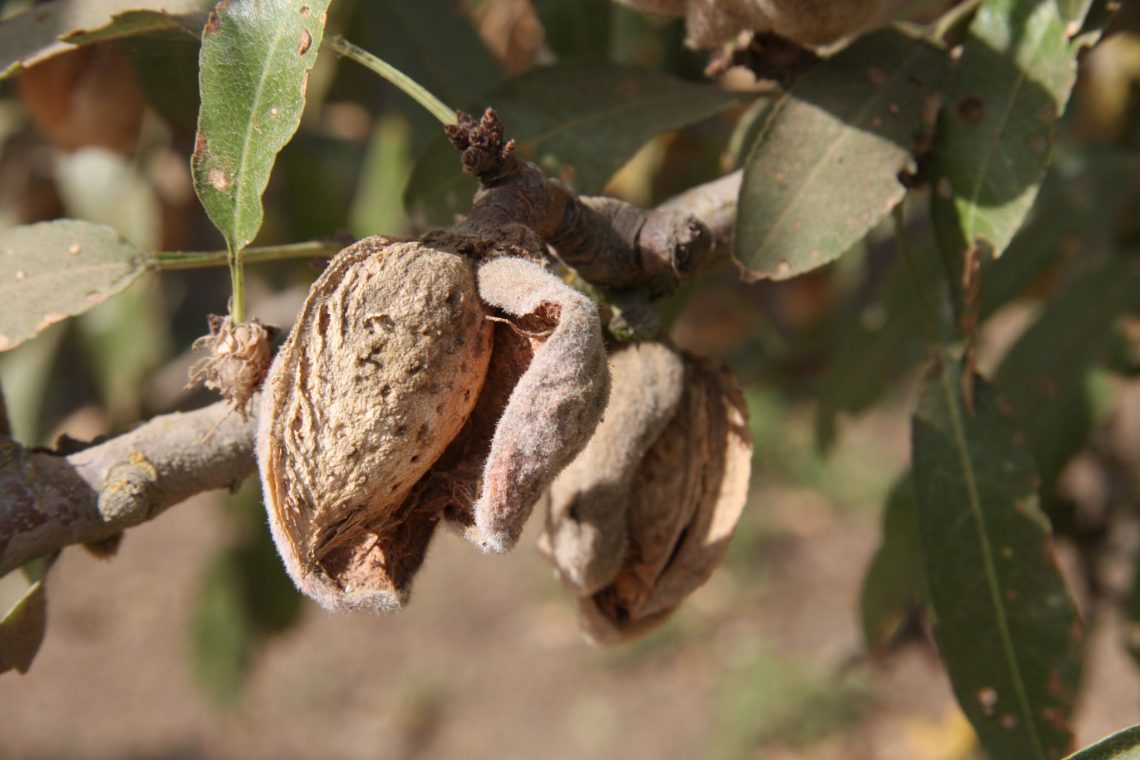 Are Almond Trees Bad For The Environment at Tyler Mcintyre blog
And the carbon footprint? Massive. Almonds are shipped all over the world. The average almond travels 2,500 miles to get to your mouth. That’s like flying from New York to Los Angeles, but for a nut. A nut. Meanwhile, a local apple just sits there like, “I’m right here. Pick me. I’m not a jerk.”
So… Should You Ever Eat Almonds Again?
Look, I’m not saying you should never eat an almond. I’m not a monster—well, not that kind of monster. But maybe think about it a little. Swap almond milk for oat milk (oats are much less thirsty). Buy almonds from Spain or Italy, where they’re rain-fed. Or—brace yourself—just eat walnuts. They’re basically the same shape but shaped like your brain, and they use way less water.
If you do eat almonds, try to buy organic, or from farms that use “dry farming” (no irrigation). Look for the “Bee Better” certification, which means they didn’t kill all the bees. Just some of them. Progress.
The Bottom Line (No, Really)
Almonds are the frenemy of the snack world. They’re good for your skin and your arteries, but they’re terrible for California’s water table and the bee population. They’re like that friend who’s super fun at parties but will definitely borrow your car and return it with a dent in the bumper. You love them, but you also have to question your life choices every time you’re around them.
So go ahead, eat that handful of almonds. But maybe don’t make almond milk your whole personality. And if you see a bee, apologize to it. They’ve been through enough.