
Okay, let’s get into something that’s equal parts fascinating and a little scary: why do some rugby players end up with Motor Neurone Disease, or MND? It’s a heavy topic, sure, but we’re going to explore it with the kind of curiosity you’d have about a strange animal at the zoo. You’ve probably heard names like Rob Burrow or Doddie Weir, and wondered, “What’s the deal?” Grab a cuppa, let’s chat.
A collision course with biology
First up, rugby is not your average Sunday stroll. These athletes are basically human battering rams, hitting each other with the force of a small car crash, over and over again. That constant head trauma, even from sub-concussive blows, is a major suspect in the MND mystery.
Think of your brain like a Jell-O mold. Shake it enough, and the structure gets wobbly. Studies suggest that repeated impacts can trigger a build-up of toxic proteins in the brain, proteins that directly attack the motor neurons controlling your muscles.
Must Read
It’s not the only factor, but the evidence is piling up faster than a scrum. Researchers found that professional rugby players are 15 times more likely to die from MND than the general population. That’s not a coincidence—that’s a red flag waving in a hurricane.
The genetic lottery and the physical toll
Now, here’s where it gets even weirder. You can’t just blame the tackles. There’s a genetic component at play, like a hidden switch that only flips under extreme physical stress. Some players might carry a gene variant that makes them vulnerable, but it stays dormant until the rugby world gives it a kick.
Imagine having a glass that’s already cracked—it won’t break from a gentle tap, but a sledgehammer blow? Game over. For these athletes, the thousands of collisions over a career might be that sledgehammer for their nervous system.
 Rob Burrow continues to inspire MND awareness
It’s a cruel irony: the same sport that builds incredible fitness and camaraderie might also be loading the dice against their long-term health. Makes you wonder if the warrior spirit comes with a hidden cost, doesn’t it?
Why this is actually cool (in a science nerd way)
Okay, “cool” feels like the wrong word for a disease that steals movement, but stick with me. The rugby-MND link is teaching us incredible things about how the brain works. It’s like a real-life crash test dummy lab, but for neurology.
Scientists are now using data from rugby players to decode how physical trauma can trigger neurodegeneration. This isn’t just helping rugby players—it’s helping us understand Alzheimer’s, Parkinson’s, and other mysterious brain conditions. Rugby, unwittingly, is a research goldmine.
And the response from the rugby community? Honestly, it’s inspiring. The way players, fans, and clubs have rallied to fund MND research is a testament to their grit. They’re turning a tragedy into a force for good, and that’s genuinely awesome.
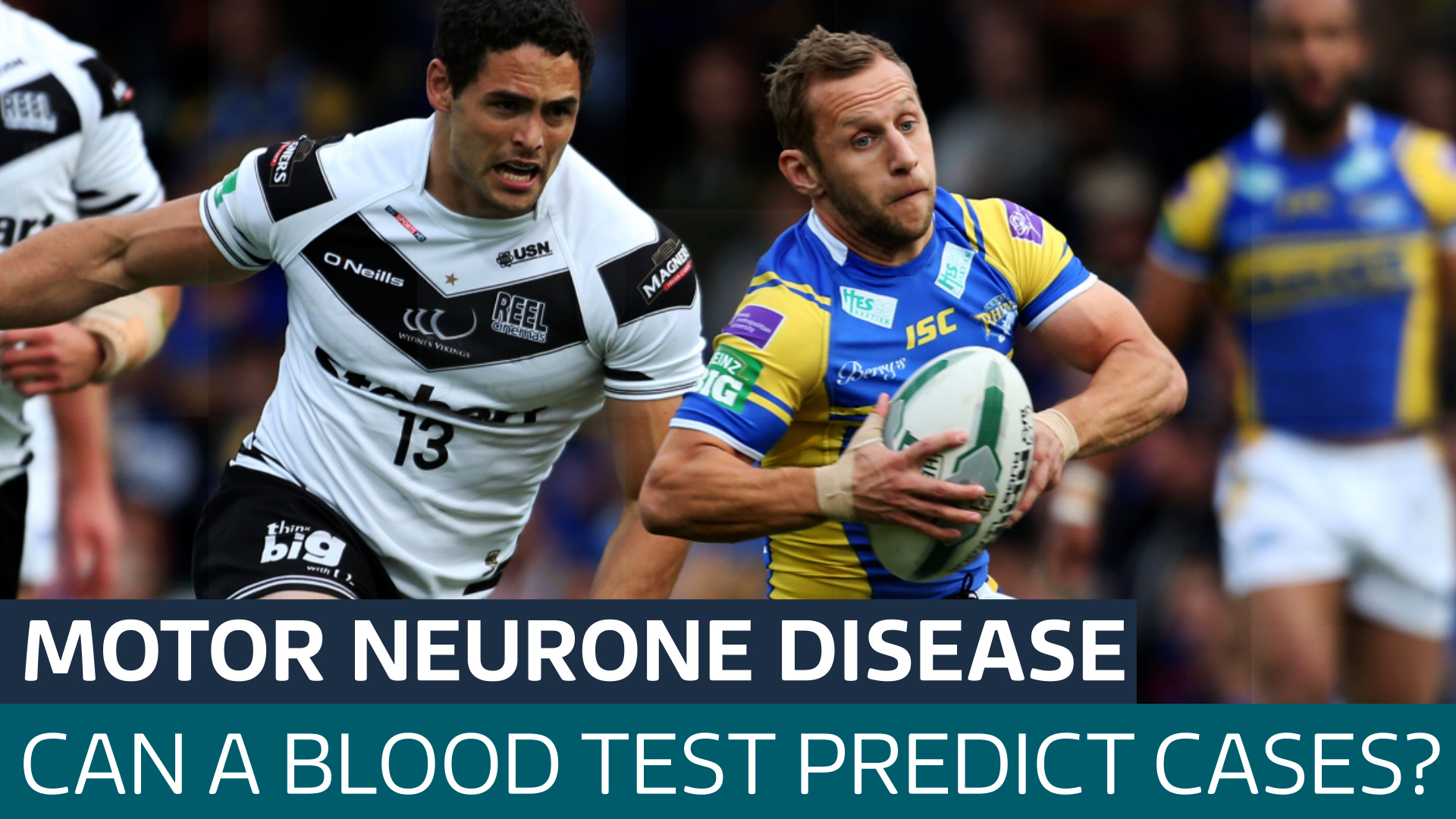 How Many Rugby Players Have Motor Neurone Disease - Infoupdate.org
What’s next? The future of the game
So, are we going to see rugby become a no-contact sport? Probably not. But the sport is already changing. You’ve got stricter concussion protocols, smaller pitch sizes for younger players, and a big push to limit full-contact training sessions. It’s like telling a demolition crew, “Hey, maybe wear a hard hat and take breaks.”
Rugby’s soul is physical, but it’s also about intelligence and strategy. The sport is learning to balance that raw power with long-term safety. It’s a tricky dance, but one they’re taking seriously.
For now, the honest answer to “Why do rugby players get MND?” is a shoulder shrug mixed with a scientist’s furrowed brow. It’s multiple things: genetics, repeated head trauma, maybe even fitness or diet. We don’t have the full picture yet, and that’s what makes it so darn interesting.
In the end, it’s a story about human strength—both the awesome kind that wins matches, and the fragile kind that can break. So next time you watch a match, tip your hat to the players. They’re not just athletes; they’re unwitting explorers on the frontier of brain science. And that, my friend, is a pretty wild ride.