
Let’s be honest: for many of us, April 23rd rolls around and we’re more likely to know it’s Shakespeare’s birthday than the feast day of England’s patron saint. But St. George’s Day is a curious and deeply layered celebration, far more than just a date on the calendar. It’s a mix of ancient legend, medieval heroism, and a very modern quest for national identity.
The story starts, as all the best ones do, with a dragon. According to the popular legend, a fearsome dragon was terrorizing a Libyan town, demanding sheep and eventually human sacrifices to keep the peace. Into this mess rode George, a Roman soldier and Christian martyr, who slayed the beast and saved a princess—and by extension, an entire kingdom.
But here’s the kicker: St. George never actually visited England. He was born in Cappadocia (modern-day Turkey) and died a martyr in Palestine around 303 AD. So how did he become the patron saint of pubs, parades, and English pride? It’s a fascinating PR story.
Must Read
The credit goes largely to King Edward III, who adopted St. George as the patron of his new chivalric order in 1348—the Order of the Garter. The red cross on a white background became the symbol of English soldiers fighting in the Hundred Years’ War, and the legend stuck like glue. By the time Shakespeare wrote Henry V with its famous “Cry God for Harry, England, and Saint George!” battle cry, the saint was a full-blown national mascot.
Beyond the Dragon: Why We Still Celebrate
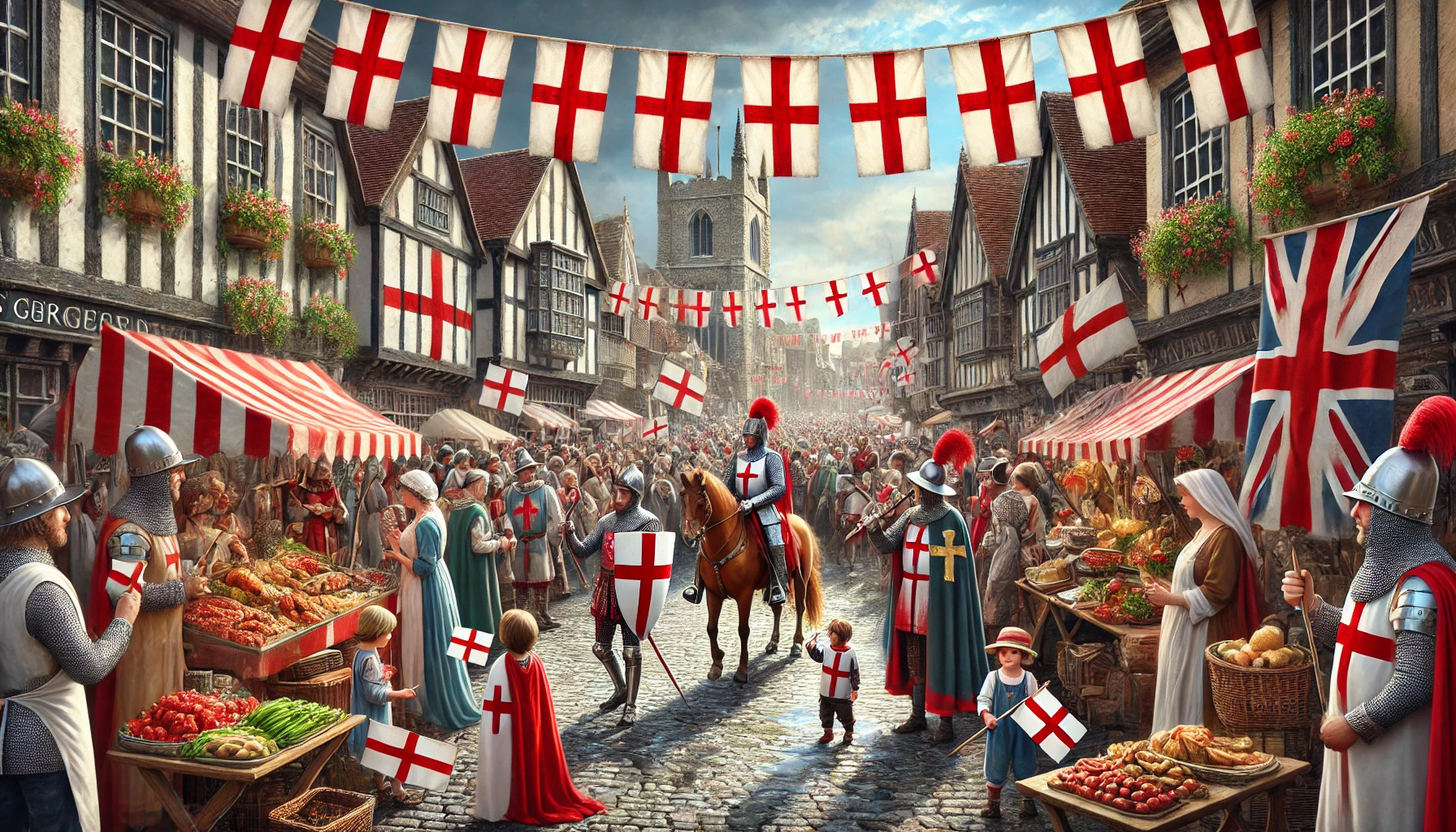
Today, St. George’s Day is a curious blend of religious observance and secular national pride. For the Church of England, it’s a major feast day. For the rest of us, it’s an excuse to fly the flag—quite literally. You’ll see the St. George’s Cross draped over shoulders at football matches, but on April 23rd, it appears on front gardens, cake stands, and even pint glasses.
The celebration has seen a resurgence in recent years, especially among younger generations looking for a less commercial alternative to St. Patrick’s Day. Think of it as England’s quiet, slightly awkward cousin to the Irish party. Instead of green beer and river dyeing, we get Morris dancing, cask ale, and a damn good roast dinner.
 St. George's Day: Celebrating England's Patron Saint - History of the
Fun Facts to Drop at the Pub
You can impress your friends with a few bar bets this St. George’s Day. Did you know that St. George is also the patron saint of Portugal, Georgia, Ethiopia, and the Boy Scouts? Yes, the dragon-slayer is the ultimate multi-tasker. Also, the legendary dragon slaying is often interpreted as a metaphor for Christianity overcoming paganism, but modern historians suspect the story might have roots in pagan tales of Perseus and Andromeda.
Another juicy tidbit: the red cross symbol actually predates George’s association with England. Crusaders wore it as a badge of honor during the 12th century. The flag itself is one of the oldest national flags still in continuous use, officially adopted as the flag of England in 1191. That’s over 830 years of history waving in the wind.
Practical Tips for Celebrating Like a Saint
You don’t need a suit of armor to honor the day. Start small: wear a red rose in your lapel—that’s the traditional symbol of St. George. Or, if you’re feeling bolder, attend a local parade or medieval fair. Many towns host St. George’s Day festivals with jousting, archery, and drama performances.
Food is a no-brainer. Have a proper English roast with all the trimmings: Yorkshire puddings, roast potatoes, and a good dollop of horseradish. Pair it with a pint of English ale, and you’re basically in saintly territory. For dessert, go for a traditional “St. George’s Cake”—a simple sponge decorated with the red cross.
 Streets a sea of red and white as thousands celebrate St George's Day
If you’re feeling literary, read a bit of Shakespeare to mark the day (since he shares the birthday). Failing that, watch the 2010 film Robin Hood or the classic Excalibur—anything with chivalry, dragons, or dramatic music works. The goal is to connect with that spirit of bravery, even if your biggest challenge today is a difficult email.
The Cultural Resonance in Daily Life
St. George is a reminder that heroism often wears a quiet face. He wasn’t a king or a nobleman; he was a soldier who stood up for what he believed, even at the cost of his life. That’s a deeply human story that transcends national borders. In our endless scroll of headlines and obligations, the dragon can be anything—fear, doubt, a difficult conversation—and slaying it takes ordinary courage.
So when you raise a pint on April 23rd, you’re not just celebrating Englishness. You’re tapping into an ancient idea: that one person’s stand can ripple through centuries. It’s a day to be proud, but also to be thoughtful. The best celebrations invite us to reflect on who we are, and who we want to be.
In daily life, that reflection is priceless. Maybe you’ll wear a rose, bake a cake, or simply pause to appreciate the quiet bravery of people in your own life. St. George’s Day isn’t about conquering a mythical beast—it’s about acknowledging the small dragons we all face. And that’s a celebration worth having, any day of the year.