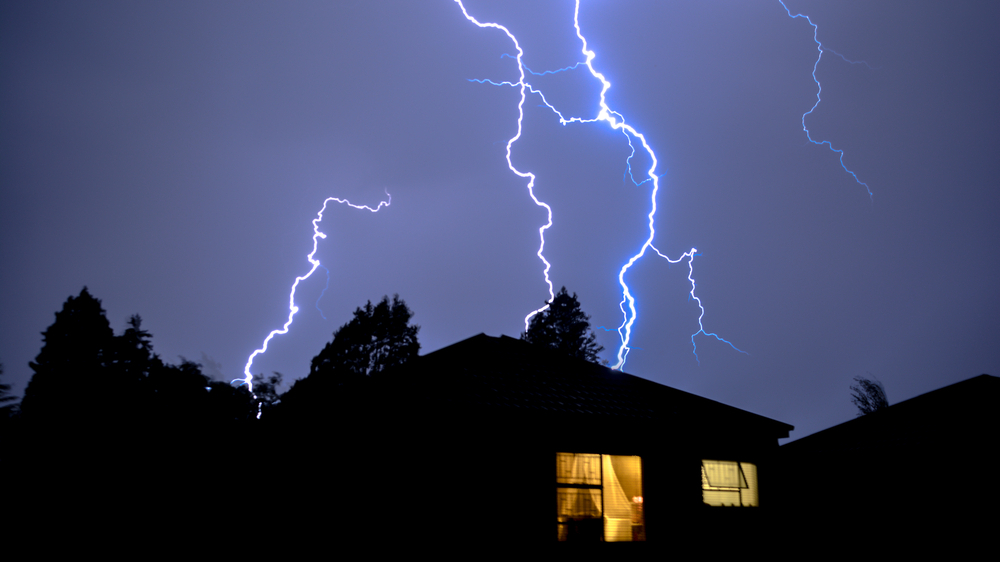
You’re curled up on the sofa, rain drumming a steady rhythm against the glass. A flash rips the sky, followed by a thunderclap that rattles the windows. You pull the blanket tighter, feeling smug and safe. But then a rogue thought creeps in: Can I actually get struck by lightning right here, in my own living room?
The short answer is yes, but it’s not quite what you think. The lightning bolt isn’t hunting you down through the roof. It’s far sneakier than that. The real danger lies in how that massive electrical surge travels once it hits your house.
How Lightning Breaks and Enters
Lightning is basically a giant, grumpy spark looking for the easiest path to the ground. When it strikes your roof, the electrical current doesn’t just stop. It races through conductive materials like metal pipes, wiring, and even the water in your plumbing.
Must Read
That’s the thing: you don’t need to be hit directly. You can be struck by a “side flash” that jumps from a conducting path onto you. Think of it as electricity being incredibly rude and jumping the queue.
This is why we have those classic warnings about avoiding the shower during a thunderstorm. It’s not an urban legend. Your pipes are a highway for current, and water conducts electricity beautifully. Save the hot shower for after the storm passes.
Your Phone, Your Toaster, and You
It’s not just the plumbing. Anything plugged into an outlet becomes a potential danger zone. That includes your laptop, your beloved coffee maker, and yes, your phone—if it’s charging. A surge can travel right through the wires and into your hands.
Here’s a fun fact that might make you a little less smug: the Empire State Building gets struck by lightning about 25 times a year. But nobody inside freaks out because it’s designed to handle it. Your house? Probably less so. That’s why surge protectors are your storm-season best friends.
So, if you hear thunder, unplug the fancy electronics. Go ahead, live a little dangerously by reading a book. When it comes to direct contact, avoid corded landline phones like they’re hot gossip at a dinner party. Wireless is your friend here.
 House Hit By Lightning
The Signs You’ve Been Hit (No, You Won’t Glow)
If lightning does find you inside, the effects are dramatic but not magical. You won’t get superpowers like in the movies. Instead, you might experience burns, nerve damage, or a temporary loss of consciousness. Lichtenberg figures—those fern-like red marks on the skin—are a real, albeit rare, calling card of a strike.
But here’s the kicker: many people don’t even realize they’ve been indirectly hit until they feel the lingering aches. It’s a medical event that absolutely requires a checkup, even if you feel fine. The electricity can mess with your heart’s rhythm without you noticing.
Remember the old tale about golf clubs attracting lightning? That’s a half-truth. It’s not the metal; it’s the height and the isolated position. Being indoors is infinitely safer, provided you follow a few common-sense rules.
Practical Tips for Cozy Storm Safety
First rule: the 30-30 rule. Count the seconds between a flash and the thunder. If it’s 30 seconds or less, the storm is within six miles. That’s your cue to get indoors and stay put. Wait 30 minutes after the last thunderclap before you run back to the shower. Mother Nature loves a false finale.
Second rule: create a safe zone. Avoid windows, doors, concrete floors, and walls. Concrete has metal rebar inside, which conducts electricity. Yes, that means leaning against your basement wall might be a bad idea. Head to the center of the house, away from plumbing and wiring.
Third rule: unplug, don’t just turn off. A switched-off device is still connected to the grid. Pull the plug from the wall. If the thought of crawling behind your entertainment center is too much, invest in a quality whole-house surge protector. It’s like a bouncer for your electrical system.
 What to Do if Your House Is Struck by Lightning
What About the Bathtub? The Myth vs. Reality
The bathtub warning is one of those cultural touchstones, like “don’t swim after eating.” But it’s not a myth. In 2006, a man in Vermont was sitting in his bathtub when lightning struck his house. The current traveled through the plumbing and killed him instantly. It’s rare, but it’s real.
Rubber-soled shoes? They offer negligible protection. The charge is so powerful it will just jump around them. The only true shield is distance from conductive paths. Your couch is a good bet, provided it’s not up against a metal heating vent.
Pop culture has taught us that lightning never strikes the same place twice. That’s a comforting lie. The Willis Tower in Chicago gets hit about 100 times a year. The same place is a lightning magnet if it’s tall and isolated.
When the Storm is Over
The storm rolls away, the sun peeks out, and you feel a little silly for worrying. That’s okay. Lightning injuries in the home are statistically very low. The National Weather Service estimates the odds of being struck in a given year are about 1 in 1.2 million. But those odds are not zero.
Think of it this way: you lock your car door not because you expect it to get stolen every time, but because it’s a simple habit. Practicing storm safety is the same low-effort insurance. A few seconds of caution keeps an exciting weather event from becoming a hospital trip.
So, next time the sky grumbles, sit back and enjoy the show. Watch the rain from your window—just don’t touch the frame. Pour some tea, grab a blanket, and feel the cozy tension of nature’s raw power. The house is your shelter, not a target. A little knowledge makes the thunder sound less like a threat and more like a reminder that you’re exactly where you need to be: safe, warm, and very much alive.