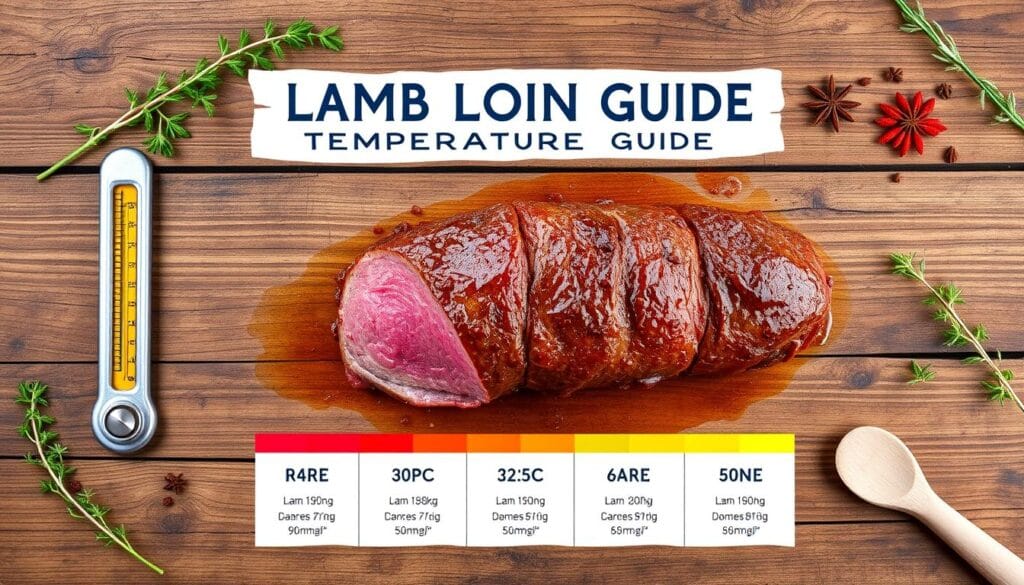
So you’ve got a beautiful cut of lamb in front of you—maybe a rack, some chops, or a leg. The question looms: when is it actually done? It’s a little nerve-wracking, right? You don’t want to serve a hockey puck, but nobody wants raw, either.
The truth is, lamb is pretty forgiving and even a little glorious to cook. Unlike chicken, which demands total doneness, lamb lets you play with shades of pink. That’s the cool part—you have options.
Forget the Clock, Trust Your Senses (and a Thermometer)
First, let’s bust a myth: cooking by time alone is a recipe for disaster. Your oven might run hot, your cut might be thicker on one side. Why gamble? Instead, grab a reliable instant-read thermometer—it’s your best friend here.
Must Read
For lamb, the magic numbers are like a color palette:
Rare (120–125°F / 49–52°C)
This is for the pure lamb-lovers who want that vivid, ruby-red center. Think of it like a tender steak—smooth, almost buttery. If the texture of slightly cool, silky meat sounds dreamy, go rare. Just make sure your lamb is from a trusted source.
Medium-Rare (130–135°F / 54–57°C)
This is the sweet spot, the gold standard for most cooks. The center is warm and deep pink, with a juicy, succulent bite. It’s like the perfect avocado—just ripe enough to be satisfying without being mushy. Most chefs will tell you this is where lamb sings.
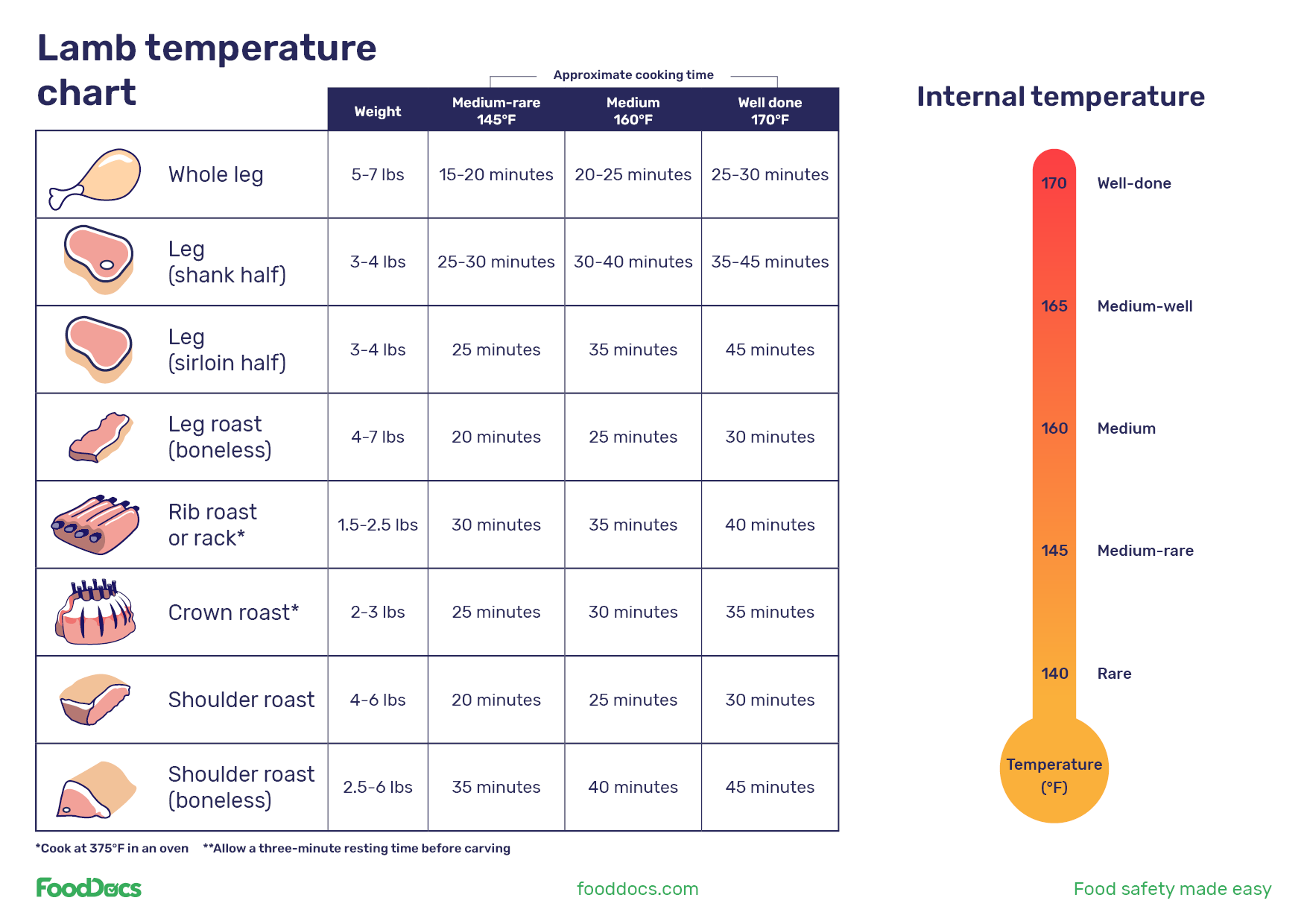 Lamb Cooking Temperature Chart
Medium (140–145°F / 60–63°C)
At this stage, the pink fades to a pale rose, and the texture firms up. It’s still moist, but you’ve sacrificed a bit of that lush feel. Think of it as a compromise—safe, reliable, and still quite tasty, especially if you’re serving someone who gets nervous about pink meat.
Well-Done (150°F+ / 66°C+)
Honestly? Be careful here. Lamb can get dry and tough past 150°F, tasting more like mutton. Unless you’re braising it low and slow (like a shoulder for pulled lamb), avoid this for roasts and chops. It’s like a joke that’s explained too much—you lose the magic.
The “Finger Test” Trick (Low-Tech, But Fun)
If you don’t have a thermometer on hand, you can use your fingers—though it takes practice. Make a fist with one hand, then touch the fleshy part at the base of your thumb. That firm feeling? That’s well-done. Now relax your hand completely and poke the same spot—that squishy give? That’s rare. Compare the lamb’s resistance to those two states. Weirdly poetic, isn’t it?
Let It Rest—Don’t Skip This Step
Here’s where a lot of folks mess up. You pull the lamb off the heat, and it’s perfect. But if you slice into it immediately, all those tasty juices run out onto the cutting board. Criminal, right? Let it rest for 5 to 10 minutes (longer for big roasts). The internal temperature will rise by about 5°F—that’s called carryover cooking. So, take it off a few degrees early and let the heat finish the job.
 How to Tell When Lamb Is Cooked | Boneless leg of lamb, Roast lamb leg
Visual Clues Even a Beginner Can Spot
If you’re roasting a leg or a rack, look at the juices that seep out when you poke it. Clear or slightly pink juice means medium-rare to medium. Reddish, bloody juice? It’s still rare. White or pale juice? You’ve gone past medium, toward well-done. Also, the meat will start to pull away from the bone slightly—a natural hint from the lamb itself.
Different Cuts, Different Rules
A chop is thin, so it cooks fast—aim for medium-rare and don’t blink. A roast leg is more forgiving, but you’ll want to check multiple spots because it’s thick. Ground lamb (like for burgers) should be cooked to 160°F for safety—no pink there. Why? Because grinding introduces surface bacteria into the meat’s interior. Safety first, folks.
The Fun Comparison: Lamb Is Like a Good Song
Cooking lamb is like listening to a track with layers. Rare is the raw, punchy intro. Medium-rare is the chorus where everything clicks. Well-done is the fade-out you barely notice. You don’t want to miss the good part, do you? So trust your thermometer, let it rest, and enjoy the process. Your dinner guests (or just you, in cozy solitude) will thank you.
Now go forth and cook that lamb with confidence. You’ve got this.