
You’ve probably heard someone say “Eid Mubarak” and wondered if there’s more than one celebration. The quick answer is yes, there are actually two major Eids in the Islamic calendar each year. But if you ask around, you’ll also hear whispers of a third, or even a weekly mini-Eid. Let’s untangle the calendar in the most relaxed way possible.
The Two Big Celebrations
First, there’s Eid al-Fitr, which marks the end of Ramadan—the month of fasting. It’s the sweet, celebratory “we made it” party, filled with feasting, new clothes, and giving gifts. Then, about two months later, comes Eid al-Adha, the Festival of Sacrifice, which honors the story of Prophet Ibrahim’s devotion.
Eid al-Adha happens during the Hajj pilgrimage, and it’s often a bigger, meatier affair (yes, literally—think barbecues and sharing lamb with neighbors). So, two Eids a year is the standard, but don’t blink, because the dates shift every year by about 10 to 11 days. That’s because they follow the lunar calendar, which is roughly 354 days long.
Must Read
Wait, Is There a Third Eid?
You might hear some communities, especially in South Asia, talk about Eid-e-Milad or Eid-e-Ghadeer. These are observed by specific sects or cultural groups, but they’re not universally recognized as “official” Eids. Think of them as regional bonus rounds—like a surprise public holiday that only your cousin’s city gets.
The most common third mention is Eid al-Ghadeer, celebrated by Shia Muslims to commemorate a key event in early Islamic history. It’s a deeply meaningful day, but it doesn’t appear on every Muslim’s calendar. Fun fact: In some countries, like Iran, it’s actually a national holiday.
Then there’s Jumu’ah, the Friday prayer, which is often called the “weekly Eid” by the Prophet Muhammad himself. Every Friday is a mini-celebration, with a special sermon and communal prayers. It’s the regular rhythm of the week, a chance to pause and reset.
How to Keep Track Without Losing Your Mind
Since the lunar calendar means Eids move around, planning is a low-key sport. Keep a lunar calendar app on your phone—it’s a lifesaver. Also, remember that the exact date often depends on moon sighting, so don’t book non-refundable flights too early.
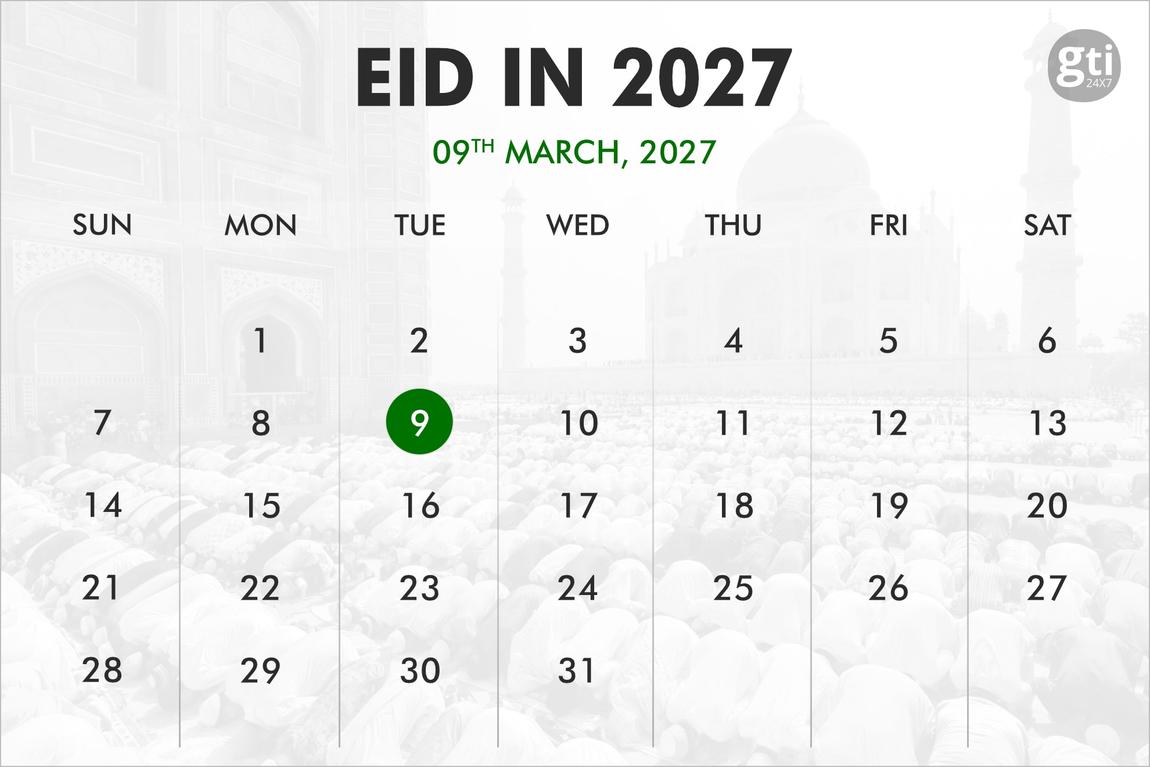 When is Eid in 2027, 2028, 2029?
Practical tip: mark your calendar for the approximate month, then check a trusted local mosque closer to the time. Social media is surprisingly helpful here; follow a few reliable astronomy accounts for moon updates. And if you’re invited to an Eid feast, just show up—the date might be off by a day, but the hospitality never is.
The Secret Eid: Personal Milestones
Some people quietly celebrate a third, personal “Eid” when they finish something big—like a difficult project, a health goal, or a long journey. This idea connects back to the spirit of both Eids: completion, gratitude, and community. You don’t need a moon sighting to treat yourself to a nice meal and a day off.
So, technically, you have two official Eids, plus the potential for a few cultural ones, plus a weekly mini-Eid every Friday. That’s actually a lot of reasons to celebrate. And who doesn’t love that?
Cultural Flavors Across the Globe
In Indonesia, Eid al-Fitr is called “Lebaran,” and it’s a massive homecoming event where everyone travels to their hometowns. It’s like Thanksgiving, Christmas, and the Fourth of July rolled into one. In Turkey, they call it “Şeker Bayramı,” or Candy Holiday, because kids go door-to-door collecting sweets—think Halloween but with more baklava.
 Countdown to Eid 2025 - Expected Date & Festive Insights
Eid al-Adha is known as the “Big Eid” in many places, and you’ll see families sacrificing an animal, then dividing the meat into three parts: one for the poor, one for friends, and one for themselves. It’s a beautiful lesson in sharing, and it often involves getting your hands dirty in the kitchen. Waste not, want not is the golden rule here.
Fun Facts to Impress at Dinner
Did you know that in Morocco, the first Eid greeting after prayers is often “Eid Mubarak” followed by a kiss on both cheeks? And in Egypt, people eat “kahk” (special cookies) for days after Eid al-Fitr. Another gem: The lunar calendar is 11 days shorter than the solar year, meaning if you live to 70, you’ll have celebrated about 104 Eids in your lifetime.
Here’s a practical twist: because the date moves, you might end up celebrating Eid al-Fitr twice in the same solar year about every 33 years. Mark your calendar for 2030—it’s a double-Eid year. That’s like getting two birthdays in one calendar year. Boom.
Reflection: What the Eids Teach Us
At their core, both Eids remind us to pause, connect, and give thanks, even if it’s just for a meal or a moment of quiet. In a world that rushes from deadline to deadline, the two Eids are deliberate stops—like built-in rest stops on the highway of life. They don’t ask you to be perfect; they just ask you to show up.
So whether you’re counting down to the next moon sighting or just enjoying a Friday afternoon, remember that celebration is a habit we can cultivate. The number of Eids in a year is less important than the spirit of gratitude and generosity you bring to each day. Next time you see a crescent moon, smile—it might just be the start of your own mini-Eid.