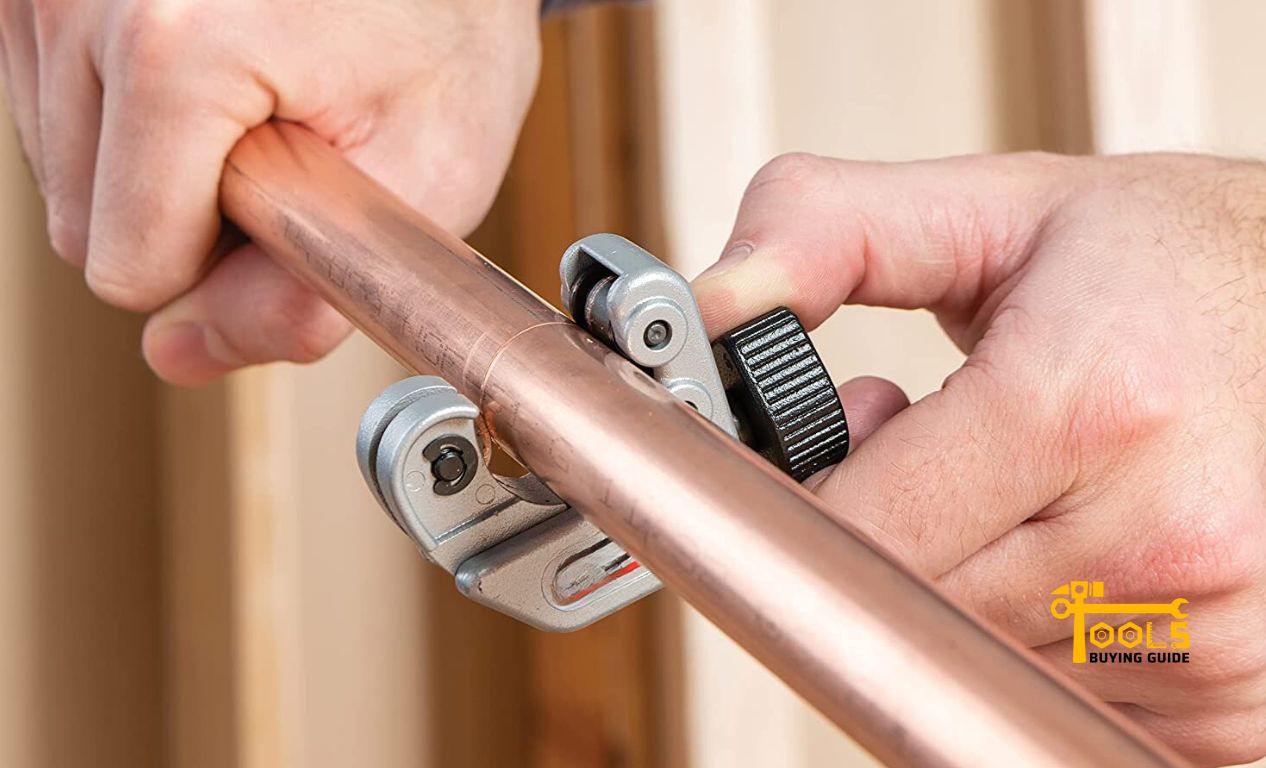
So, you’ve got a copper pipe staring at you, and it needs to be shorter. It’s a lot like that time you tried to cut your own hair with kitchen scissors—terrifying, but totally doable with the right tools. Copper is actually a very forgiving metal, more like a stiff pasta noodle than a steel beam. Once you learn the trick, you’ll feel like a plumbing wizard.
The Tools of the Trade (No, You Don’t Need a Lightsaber)
First, let’s talk about what you’ll need. The pro move is a simple tool called a tubing cutter. It looks like a tiny, angry version of a C-clamp that a robot would use. You can pick one up at any hardware store for the price of a fancy coffee and a donut.
If you don’t have a tubing cutter, you can use a hacksaw. But fair warning: using a hacksaw on copper is like trying to cut a baguette with a butter knife—possible, but you’ll be there forever. A tubing cutter is your best friend; it makes a clean, straight cut every time.
Must Read
The First Cut (Is the Deepest, But Not Really)
Slide the tubing cutter onto the pipe where you want to make your cut. Tighten the little knob until the cutting wheel bites into the copper. You’re looking for a snug fit, not a “Hulk-smash” grip. Think of it like shaking hands with your plumber uncle—firm, but gentle.
Now, start rotating the cutter around the pipe. You’ll hear a satisfying scrape sound, like a cat sharpening its claws on a cardboard box. After every two or three rotations, tighten the knob just a tiny bit. Patience is key here; rushing is how you end up with a crooked cut and a lot of colorful language.
Keep spinning and tightening. You’re essentially starving the pipe of its structural integrity. After about ten to fifteen rotations, the pipe will pop clean off in your hand. It feels like magic, but it’s just physics being nice to you for once.
But Wait, There’s a Burr!
Look at the inside of your fresh cut. You’ll see a little jagged lip of copper, known as a burr. This is the metal equivalent of a hangnail—annoying and capable of ruining your whole day. If you ignore it, it can snag on fittings and cause leaks later.
 How To Install Sharkbite Fittings On Existing Copper Pipe [Step By Step
You need to deburr it. Most tubing cutters have a little fold-out triangular blade for this exact job. Just stick it inside the pipe and give it a few twists. It’s like using a tiny, one-armed corkscrew. If you don’t have that, a rough file or even a piece of sandpaper works fine.
Never skip this step. I once did, and my father-in-law, a retired plumber, just stared at the pipe for a full ten seconds. The silence was louder than any lecture. Remove the burr, save your dignity.
The Hacksaw Alternative (The Caveman Method)
If you’re a rebel and using a hacksaw, brace the pipe securely in a vise or clamp it to a workbench. Letting it roll around while you saw is like trying to slice a tomato on a trampoline—you will get hurt. Mark your cut line with a sharpie so you don’t saw blind.
Use a fresh blade with at least 24 teeth per inch. Start with slow, short strokes to create a starter groove. Then, go full speed with long, steady strokes. Remember to saw on the waste side of the mark, not the piece you’re keeping. Copper is soft, so a few dozen strokes and you’re through.
 How to Cut Copper Pipe: 3 Tools You Can Use to Get the Job Done
After the hacksaw, you’ll have a burr the size of a small mountain. You’ll need a serious file to knock that down. Honestly, go buy the tubing cutter. Your future self will thank you.
The Takeaway (Or, How to Not Flood Your Basement)
Cutting copper pipe is 90% confidence and 10% respecting the metal. It’s not brain surgery; it’s just meditative twisting and a little bit of scraping. You are essentially a surgeon for your home’s water system, minus the medical degree and the terrifying student loans.
If you mess up the first cut, don’t panic. Copper is cheap. You can buy a two-foot scrap piece for pocket change and practice until you get a smooth, clean cut. Everyone cuts a crooked pipe at least once, and that’s how you learn to respect the tool.
So go ahead, grab that pipe, tighten the cutter, and give it a spin. Soon you’ll be walking through the hardware store with a smug look, nodding at other DIYers like you’re in a secret club. Welcome to the club. Just remember to deburr.