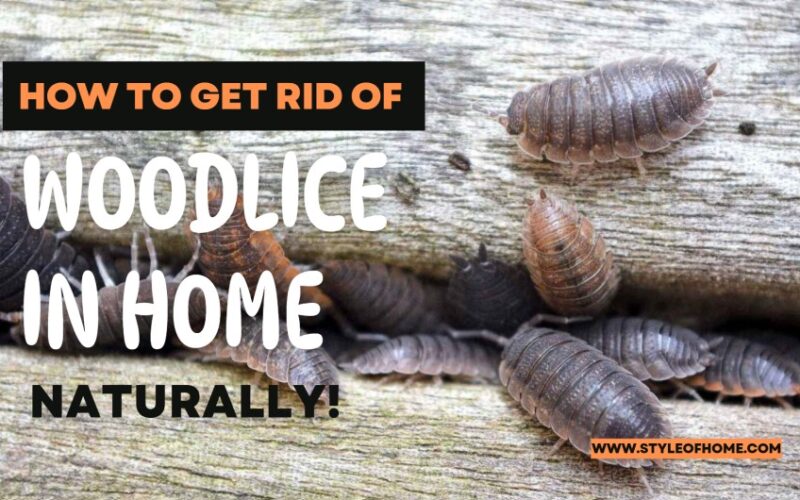
Let’s be honest—finding a woodlouse scuttling across your kitchen floor at midnight is a minor heart attack. It’s not a spider, so you can’t just scream and run. It’s more like a tiny, armored potato that somehow got lost on its way to a damp forest floor. Before you panic, take a breath: these little crustaceans (yes, they’re more related to shrimp than bugs) are harmless to you and your home. They don’t bite, spread disease, or chew through wires. But they are a blinking neon sign that says, “Your home is too damp.”
Think of woodlice as the hipster baristas of the insect world—they thrive on moisture, decay, and dark, cozy corners. Their scientific name, Oniscus asellus, sounds like a villain from a Harry Potter spin-off, but their real job is recycling dead plant matter. That’s noble, but you don’t want a worm-composting bin in your bathroom. So, how do you evict them without a dramatic showdown? It’s less about chemical warfare and more about changing the vibe of your home.
Step One: Starve the Drama
Woodlice are basically tiny garbage disposals. They feast on rotting leaves, mold, and damp cardboard. If you have a stack of old newspapers in the basement, you’re running a five-star woodlouse restaurant. Remove the buffet by clearing out leaf piles near your foundation, tossing wet cardboard, and sweeping up debris. You’re not being cruel—you’re just changing the menu.
Must Read
Check your plant pots, too. Overwatered indoor plants create a spa-like atmosphere for woodlice, complete with humidity and decaying organic soil. Let the top inch of soil dry out before watering again. Your ficus will forgive you, and the woodlice will get the message: “Closed for renovation.”
Step Two: Dry Out the Club
Woodlice need high humidity to survive. They don’t have a waxy exoskeleton like cockroaches, so they dry out fast in arid environments. This is your secret weapon. Fix that leaky pipe under the sink. Seal gaps around windows and doors with silicone caulk (they can squeeze through cracks as thin as a credit card). Run a dehumidifier in the basement or crawlspace, especially after rain. If you lower your home’s humidity below 50%, you’re essentially turning your house into a desert for them.
Pro tip: Pay special attention to bathrooms, laundry rooms, and anywhere steam lingers. These are the VIP lounges for woodlice. A simple fan or cracked window can work wonders. Think of it as curating the vibe—you want a dry, bright space, not a foggy, damp grotto.
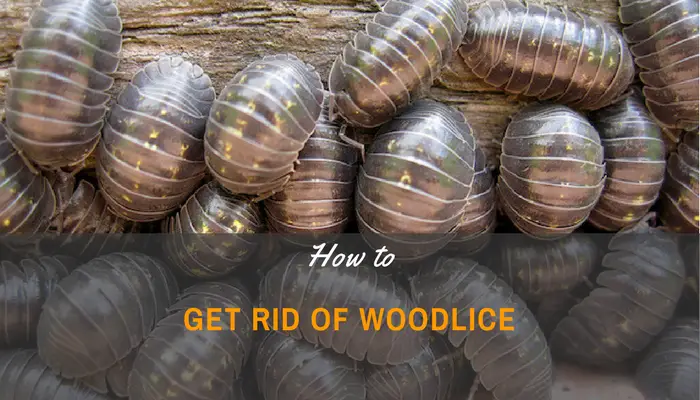 Natural Solutions to Get Rid of Woodlice in the Home - Easy Pest Control
Step Three: Block the Red Carpet
Woodlice enter your home the same way they’d enter a club—through the back door, literally. They crawl in from the soil via foundation cracks, gaps around pipes, and gaps under doors. Inspect your home’s perimeter like a nosy neighbor. Apply a barrier of diatomaceous earth (food-grade, safe for pets) along baseboards and thresholds. It’s a powder that’s sharp to their soft undersides, but harmless to you. It’s less a poison and more a “Sorry, we’re at capacity” velvet rope.
For a more natural approach, sprinkle cedar chips or essential oils like tea tree and eucalyptus near entry points. Woodlice find these scents repulsive—like a cologne they never asked for. It won’t kill them, but it will redirect their journey elsewhere.
Step Four: The Humane Eviction
If you find a lone woodlouse lounging in your bathtub, don’t squish it. They’re not roaches; they’re just lost. Scoop it up with a dustpan and a piece of paper, say a tiny apology, and release it outside. Literally anywhere damp and shady—under a rock, near a compost pile, in a flower bed. It’ll be far happier there, and you’ll feel like a merciful garden god.
 Get Rid Of Woodlice At Home In 10 Simple Steps | Eradi Control
If you have a major infestation (think dozens per day), consider using sticky traps placed along baseboards. They’re non-toxic and let you monitor where the parade is coming from. But remember: traps treat the symptom, not the cause. The real fix is always moisture control.
Fun Facts to Impress Your Friends
Woodlice are actually isopods, making them closer to crabs and lobsters than insects. That’s right—you’re basically evicting tiny land-lobsters. They also drink water through their rear ends (yes, really) via structures called uropods. And they’re one of the few creatures that can excrete ammonia gas instead of urine, which is why they smell... earthy. Next time you see one, you can say, “A fellow crustacean, just taking a wrong turn.”
When to Call the Pros
If you’ve done all the above and woodlice are still hosting a rave in your crawlspace, you might have a larger moisture issue, like a hidden leak or poor drainage. A pest control professional can assess for underlying damp problems that go beyond surface cracks. Woodlice are often just the messengers—annoying ones, sure—but they’re telling you something important about your home’s health.
In the end, getting rid of woodlice isn’t about hate. It’s about restoring balance. They belong outside, recycling fallen leaves and enriching soil. You belong inside, dry and unbothered. It’s a simple ecological truth: once your home stops feeling like a damp forest floor, the woodlice will lose interest. And maybe, just maybe, that little reminder to seal a draft or fix a drip is exactly the nudge your daily life needed. Because sometimes, the smallest visitors carry the biggest lessons about how we choose to live.