So, you want to start an event planning business. Basically, you’ve decided to become the human equivalent of a Swiss Army knife, but with more spreadsheets and fewer pointy bits. You know that feeling when you’re the one who brings the corkscrew to a picnic, the extra napkins to a BBQ, and the emergency charger to a road trip? That’s you. You’re the grown-up in the room, and now you want to get paid for it.
Let’s be real: planning a party for friends is fun. Planning a wedding for a bride who has watched too many episodes of Say Yes to the Dress is a whole different beast. It’s like the difference between baking a box-mix cake and catering a state dinner. The good news? If you can handle Thanksgiving dinner with your family without crying, you’ve already passed the first test in emotional endurance.
Start with a Niche (Or You’ll Go Niche-Nuts)
You can’t be everything to everyone. If you try to plan bar mitzvahs, corporate retreats, and baby showers all at once, your brain will turn into a puddle of glitter and Venmo requests. Pick a lane. Corporate events pay the bills but might bore you; weddings are emotional rollercoasters with a huge upside; birthday parties for six-year-olds are basically crowd control with cake.
Must Read
I once tried to plan a Dog & Owner Yoga Retreat as my first gig. That’s not a niche; that’s a cry for help. Find something you genuinely like, even if it’s just “events where people wear pants.” You can always expand later.
The Paperwork: Your New Best Friend and Silent Enemy
Before you design a single invitation, you need a structure. A sole proprietorship is like running in flip-flops—easy to start, but painful when you stumble. An LLC is more like hiking boots: a hassle to put on, but it protects your personal assets when Aunt Karen sues you over the wrong shade of linen napkin.
Get an EIN (it’s free, like a library card, but for taxes). Open a separate bank account. I cannot stress this enough: do not mix your event funds with your taco money. You’ll wake up one day with $12 in your account and a deposit for a 200-person gala due. Trust me, I’ve been there. I had to sell my vintage lava lamp collection.
Build a Simple Contract (Yes, a Real One)
A handshake is great for greeting your grandma. A contract is great for not losing your grandma’s house. Your contract should cover scope, payment schedule, cancellation policy, and a clause that says “I am not responsible for the weather, the DJ’s hangover, or the groom’s cousin who does a backflip into the cake.”
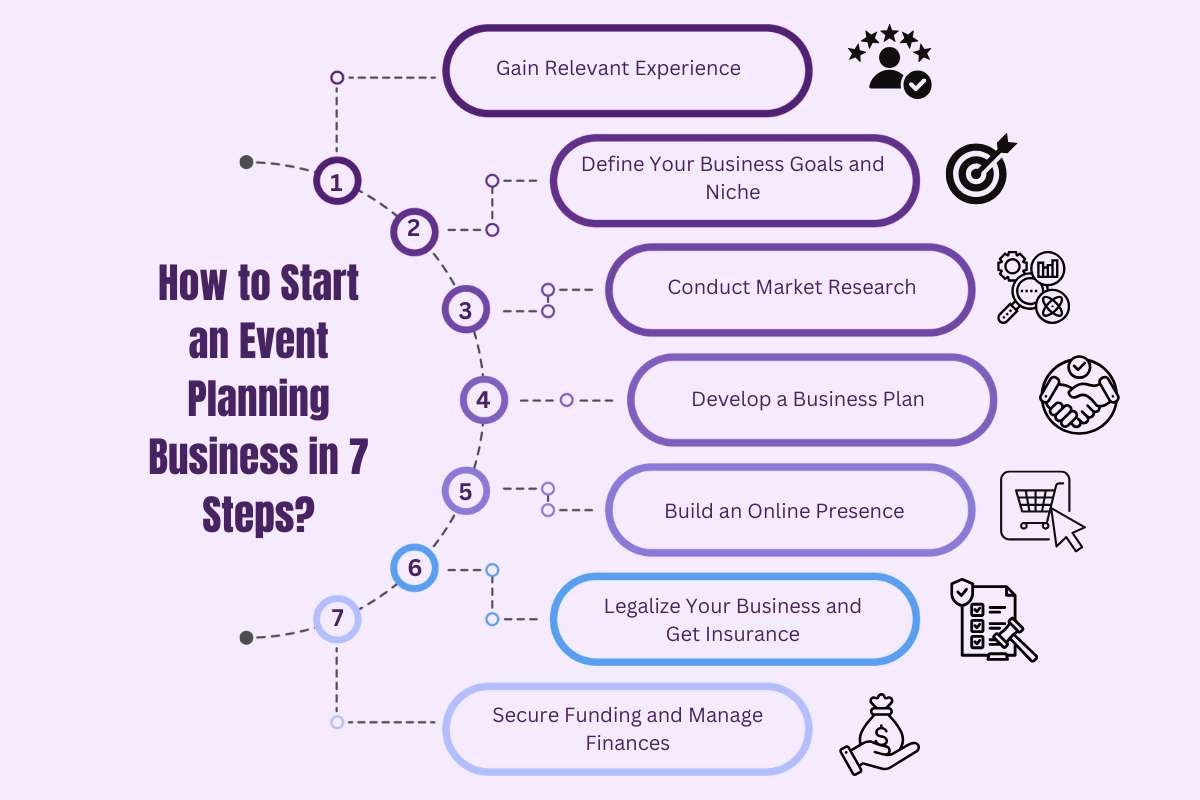
 How To Start an Event Planning Business
Write it in plain English. Lawyers love jargon; your clients love knowing they won’t get sued. Keep it short, like a good toast.
Your First Client Is You (Or a Very Forgiving Friend)
Before you charge money, plan a “practice event.” Invite three friends and serve store-bought guacamole. Use it to test your timeline, your vendor spreadsheet, and your ability to stay calm when someone spills red wine on a white couch. Fail now, when the stakes are low. It’s like learning to parallel park in an empty lot—embarrassing but reversible.
I did a “mock wedding” for my sister. I forgot napkins, the cake slide off the stand, and the DJ played the wrong first dance song. She still loves me. Your real client? Not so much.
Network Like a Goldfish (With Memory for Names)
Your best marketing is word of mouth, which sounds vague but is actually magical. Go to local business mixers, but don’t be the person who hands out brochures like a robot. Just talk to people. Ask caterers, florists, and venue owners what their biggest headache is. Listen. If you can solve it, you’re hired.
I met my first big client at a coffee shop. She was crying over her phone because her venue cancelled. I offered her a tissue and my card. Two weeks later, I planned her garden party. Being helpful is way cheaper than ads.
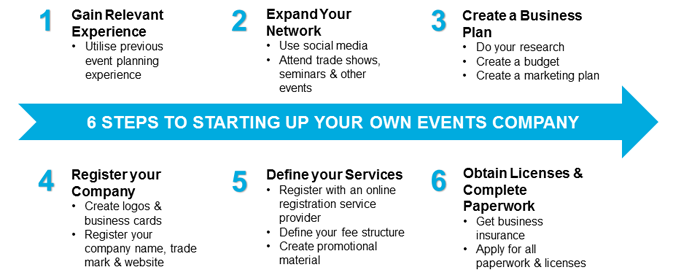 5 Best Steps On How To Start An Event Planning Business With No Money
Price Your Services Like You’re Serious (Even If You’re Not)
Don’t charge $50 for planning a wedding. That’s insulting to you and suspicious to them. Look at what others charge in your area, then add a little for your unique sweat. You can offer packages like “I’ll just call vendors” for $1,000 or “I will hold your hand during the floral crisis” for $5,000.
Start with a flat fee if you’re nervous. Percentage-based pricing can get weird fast. Imagine telling a bride her bouquet costs extra? No, thanks.
Embrace the Chaos (You’ll Survive)
The day will come when the caterer runs late, the rain starts, and the projector dies. That’s not a disaster; that’s Thursday. Your superpower isn’t perfection—it’s adaptability. Smile, grab backup candles, and pivot like a Disney prince dodging a dragon.
Remember: people are there to have fun. If the cake is lopsided but the bride laughs, you won. And if all else fails, there’s always wine. You’re an event planner now—you’re allowed to keep emergency wine in your car.
So go ahead. Start that folder called “Event Empire.” Buy a notebook that says “Boss Lady” or “Party Wizard.” You’ll make mistakes, you’ll cry over lost deposits, and you’ll learn that a clipboard is a scepter when you wield it right. Ready? Your first event is waiting. And probably calling you at 2 a.m. about napkin rings. You’ve got this.