
Let’s settle a friendly argument you’ve probably had at a dinner party or on the DLR. Is Canary Wharf in East London, or does it float in its own corporate universe? The short, satisfying answer is yes — it is undeniably part of East London, sitting on the Isle of Dogs in the borough of Tower Hamlets. But geographically, it feels like a polished spaceship that landed in the middle of the gritty, creative East End.
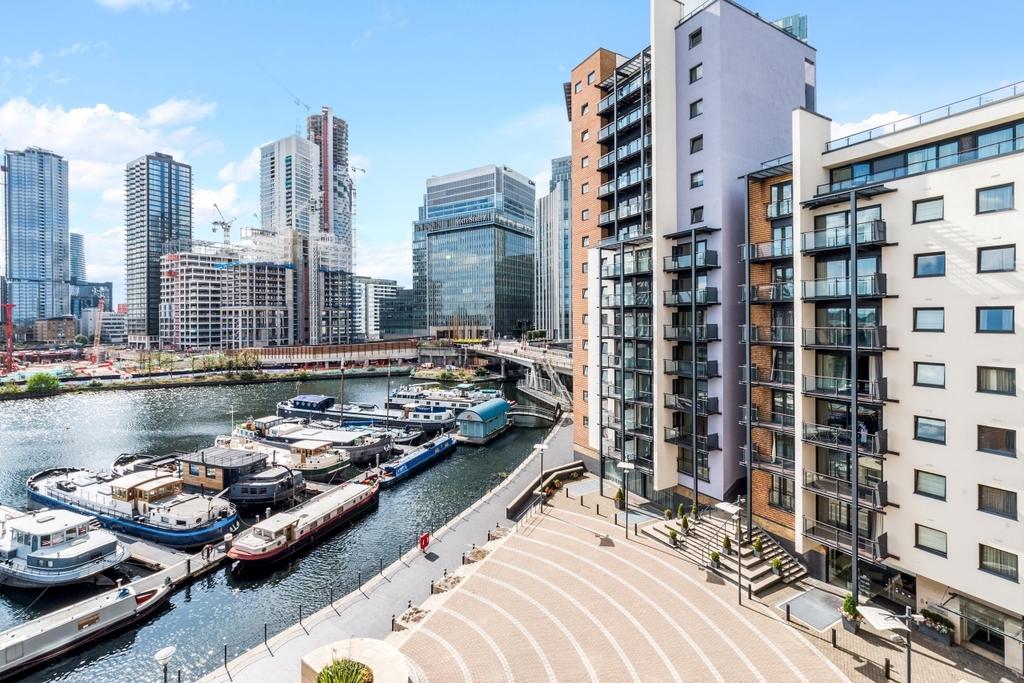
To understand the ‘vibe shift,’ you need to remember what this place used to be. Before the skyscrapers, Canary Wharf was the West India Docks, a bustling hub for global trade where spices, sugar, and rum arrived by the shipload. It was the industrial heart of London, full of sailors, merchants, and the smell of molasses.
Then the docks closed in the 1980s, leaving a ghost town of empty water and derelict warehouses. Enter Margaret Thatcher’s government, which saw an opportunity to build a new financial centre to rival the City of London. By 1991, the first tower — Canary Wharf’s iconic One Canada Square — was complete, changing the skyline forever.
Must Read
The ‘East London’ Identity Crisis
Here’s where it gets fun. Ask a born-and-bred East Ender from Bethnal Green if Canary Wharf is ‘East London,’ and they’ll probably laugh. For them, the real East End is about pie and mash shops, street markets, and a certain rough-around-the-edges energy. Canary Wharf feels like a glassy, corporate transplant dropped onto historical soil.
But the official boundary lines don’t lie. The Isle of Dogs has always been part of the historical East End, even if its current vibe is more Soho House than Brick Lane. The area is in Postcode E14, and any London postcode starting with ‘E’ is unequivocally East London. It’s a case of geography versus cultural sentiment.
Think of it like this: Canary Wharf is the wealthy, well-dressed cousin who moved to the trendy part of town but still shows up to the family barbecue. The barbecue might be in Hackney, but the cousin’s house is still on the same street.
What Makes It Tick (and What’s Actually Fun)
Let’s be real — most people only visit Canary Wharf for work or a fancy dinner. But if you dig deeper, there’s a surprising amount of culture hiding between the escalators. Did you know there’s a Mudchute Farm a short walk away, where you can pet goats with a view of the skyscrapers? It’s the ultimate ‘East London meets countryside’ moment.
For art lovers, the Canary Wharf Winter Lights festival is a must. Every January, the plazas become an open-air gallery of neon and interactive installations. And during summer, the docks host pop-up cinema nights where you can watch a film while floating on a boat — very London.
 Canary Wharf: London's Financial Hub
Food-wise, skip the generic chains and head to Roka for upscale Japanese or Iberica for Spanish tapas with a view. Or walk five minutes to the Crossrail Place Roof Garden, a hidden rainforest of exotic plants that feels like a secret greenhouse above the train tracks. It’s my go-to spot for a quiet lunch break that feels like a mini-vacation.
Practical Tips for Navigation
Getting there is half the fun. The DLR is the star of the show — you can sit at the front for a ‘driver’s eye’ view of the towers zooming toward you. The Jubilee line is faster, but the DLR gives you that theme-park thrill. Pro tip: avoid rush hour if you value personal space; these tubes get packed like sardines in a tin.
If you’re cycling, the Greenway runs right through the area, offering a bizarre contrast of urban grit and shiny glass. And if you’re feeling flush, a Thames Clipper river bus from central London is the most scenic commute possible — you’ll pass the O2, Greenwich, and the Thames Barrier in under 20 minutes.
One more fun fact: the One Canada Square tower has 50 floors, but the top floor is not open to the public. It’s reserved for private events and the building’s owner. So unless you’re a billionaire with a good agent, admire it from the ground.
The Culture Clash
What makes Canary Wharf fascinating is the contrast. Walk from the gleaming malls of Jubilee Place toward Poplar, and in ten minutes, you’re in a neighbourhood of Victorian terraces and local kebab shops. This microcosm of inequality is pure East London storytelling — the old and the new living side by side, sometimes awkwardly, sometimes beautifully.
 10 Fascinating facts about Canary Wharf - The Lansbury Heritage Hotel
Local artists have even started creating murals on the hoardings of new construction sites, mixing high-finance with street art. It’s a small rebellion, but it reminds you that this place still breathes the same air as Shoreditch and Spitalfields. The creative spirit of the East End hasn’t been fully sanitised.
And let’s not forget the nightlife. While Canary Wharf goes quiet after 7 PM (definitely not a party district), spots like The Ledger Building serve excellent craft beer in a historic dockers’ pub. For a proper night out, you’ll need to hop a Uber to Hackney Wick — but that’s also East London, so you’re staying on brand.
A Reflection on Place and Identity
So, is Canary Wharf in East London? Yes, absolutely — but it’s the most complicated version of it. It’s a place where glass towers cast shadows on old cobblestones, where bankers in suits walk past families with strollers, and where a river bus can take you from the city’s past to its future in one trip.
In daily life, this reminds us that neighbourhoods are never just about maps. They’re about how we feel in a space, the stories we tell about it, and the small moments we collect. Canary Wharf might not have the soul of Hackney or the history of Whitechapel, but it has its own pulse — a modern, ambitious, slightly awkward beat that’s worth listening to.
Next time you visit, walk slowly. Notice the water in the docks that once carried cargo from Jamaica. Look at the trees in the roof garden that were shipped in from Asia. And remember: even the most polished place has roots that run deep into the East London earth. That’s the real story.