So, you’ve got an Ubuntu machine humming on your desk, and you’re staring at the terminal, wondering, “What magic can I brew today?” The answer, my friend, is Node.js — that little JavaScript engine that powers half the internet. And installing it on Ubuntu? Honestly, it’s like teaching your Linux computer a new party trick.
But why should you care? Well, Node.js is what makes modern web apps feel snappy, like a barista who remembers your order. It’s also the backbone of tools like React, Next.js, and even your favorite Discord bots. Think of it as the Swiss Army knife for building anything from a simple script to a full-blown server.
We’re going to walk through this with zero stress. No jargon bombs, no cryptic commands that feel like ancient runes. Just you, your keyboard, and a little bit of curiosity. Ready? Let’s make your Ubuntu box a Node-powered machine.
Must Read
Two Paths: The Apt Way vs. The NodeSource Way
You have choices here, which is part of the fun. The first path is using Ubuntu’s default package manager, apt. It’s easy, like ordering a coffee with just “black please.” But here’s the catch: default package repos often serve an older version of Node. Do you really want vintage Node in 2025? Probably not.
The second path is cooler: using NodeSource, a dedicated repository packed with the freshest Node builds. It’s like going to the farmer’s market instead of the grocery store—you get the good stuff, direct from the source. This is the route I’d take if you want to stay ahead of the curve.
Both methods work, but for this article, we’ll lean into the NodeSource approach. It’s still simple, I promise. You’re just adding a new “download store” to your system, then asking politely for the latest Node.
Step One: Update Your System (Like Brushing Your Teeth)
First, crack open your terminal. Update your package list with sudo apt update—it’s like checking your pantry before shopping. Then run sudo apt upgrade to freshen up any dusty packages. Trust me, a clean system loves new guests.
Why bother? Because an updated system has fewer headaches. It’s like making sure your car has oil before a road trip—you won’t break down mid-command. Plus, it’s a good habit, like stretching before a jog.
 How To Install Node On Ubuntu Server - Dibujos Cute Para Imprimir
Step Two: Summon the Setup Script
Here’s where the magic dust gets thrown. You’ll run one magical line: curl -fsSL https://deb.nodesource.com/setup_lts.x | sudo -E bash -. Wait, what is curl doing here? It’s just a tool that downloads files from the internet, like a digital backpack (don’t overthink it).
This script adds the NodeSource repository to your list. It’s like getting a VIP pass to the latest Node releases. After it runs, you’ll see a bunch of output—ignore the noise. It’s just the system saying, “Hey, I’ve got the new catalog.”
Now, you have the key to the candy shop. The next command is the sweet part: sudo apt install nodejs. Type it, hit Enter, and watch Ubuntu fetch the goods. Boom—Node.js is now living on your machine.
Wait, Did It Work? Let’s Test the Waters
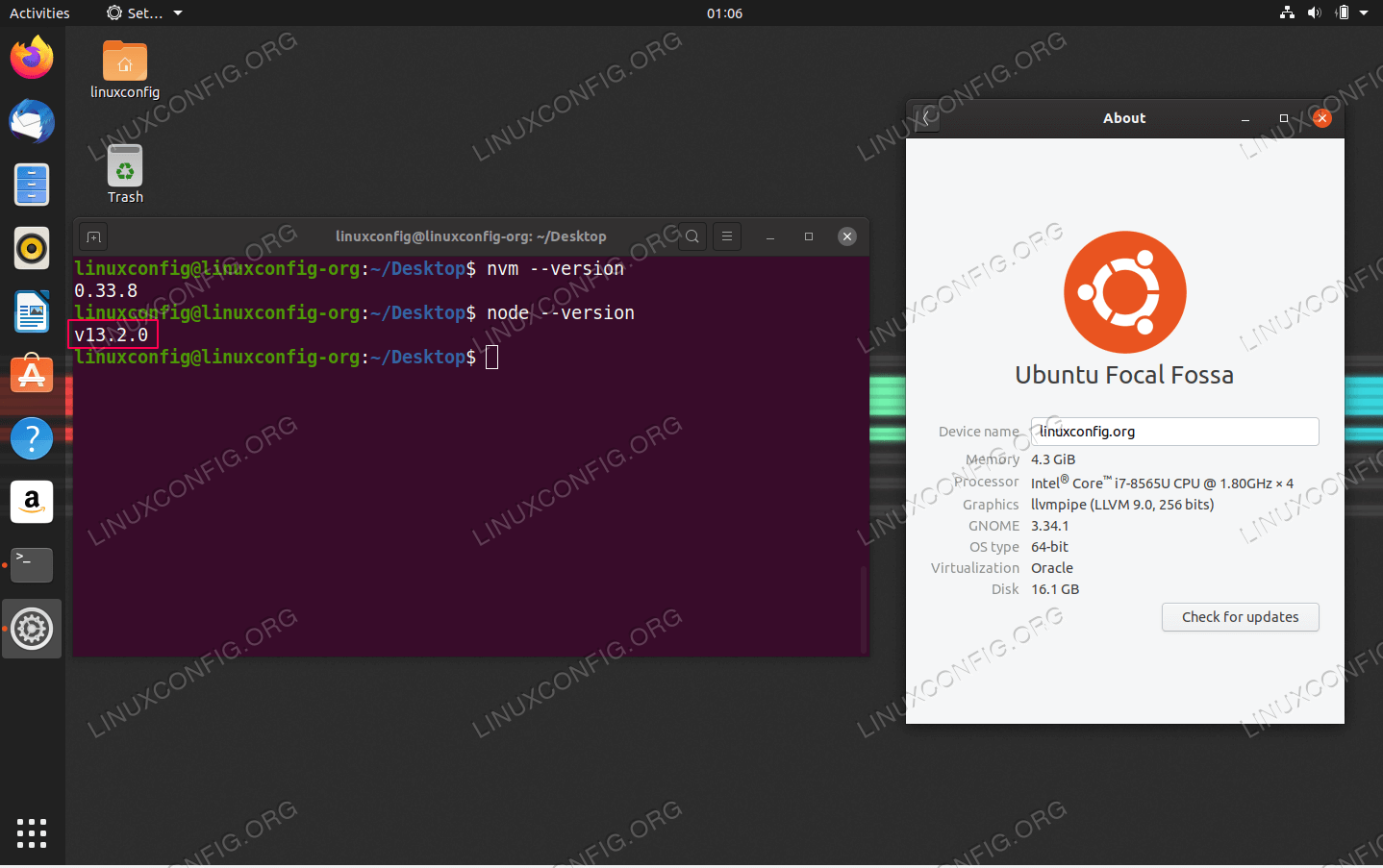
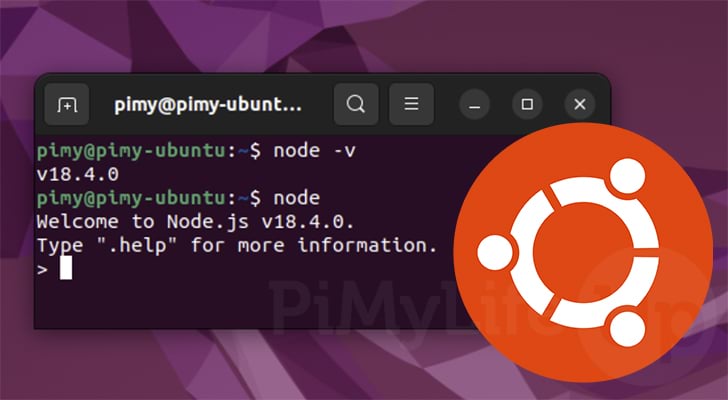
Before you start throwing confetti, check your installation. Type node --version in the terminal. If you see something like v20.x.x, you’re golden. That number means Node is alive, awake, and ready to run your code.
Don’t forget about npm, Node’s package manager—it’s like an app store for JavaScript libraries. Run npm --version to see that too. If it shows a version, you’ve got the full duet: Node and npm, partners in crime.
 How to Install Node.js on Ubuntu - Pi My Life Up
Feeling brave? Type node to open the interactive shell. Then type console.log("Hello from the terminal!"); and press Enter. Did it print? Congratulations—you just ran JavaScript on your Ubuntu system. How cool is that?
What If You Want Two Versions? (The Superpower Move)
Sometimes, you need a specific Node version for an old project. That’s where nvm (Node Version Manager) comes in. It’s like having a wardrobe of Node versions—one day you’re v18, the next you’re v22. Install it with a quick curl command (search “nvm install script” for the latest line).
With nvm, you can switch versions on the fly. Type nvm install lts for the latest stable, or nvm use 16 if you’re feeling nostalgic. It’s the ultimate hack for developers who love flexibility. And yes, it pairs beautifully with Ubuntu.
Why This Matters: The Real-World Payoff
Installing Node.js isn’t just a tech chore—it’s opening a door. You can now run Express for web servers, build chat apps with Socket.io, or even automate your desktop with scripts. Ever wanted a bot that tweets your coffee consumption? Node can do that.
Ubuntu and Node together are like avocados and toast—each is fine alone, but together they’re legendary. The Linux flexibility plus Node’s speed means you can prototype ideas in minutes. It’s the closest thing to tech wizardry without needing a wand.
So go ahead, install Node, run a test script, and see what you can make. The internet is your playground now. And hey, if you get stuck? The terminal will listen—it always does.