
It started with a quiet, unassuming woman in a suburban Australian home, and spiraled into one of the most audacious cultural deceptions of the 21st century. We’re talking about Belle Gibson, the Instagram wellness guru who convinced millions she was curing her own terminal brain cancer with clean eating and alternative therapies. Her story, detailed in the Netflix documentary The Woman Who Fooled The World, is a masterclass in how easily we can be duped when vulnerability meets a good narrative.
The tale is as shocking as it is eerily relatable. Belle built a brand—The Whole Pantry—around her false diagnosis, complete with a bestselling app and a cookbook deal with Penguin. She never had cancer. Instead, she leveraged the raw, authentic language of suffering to sell hope, and we bought it.
Let’s get one thing straight: this isn’t a story about a villain. It’s a story about us, the audience. Why do we so desperately want to believe in magic cures, in the lone warrior defeating the big, bad medical establishment? Belle tapped into our collective distrust of modern medicine, and our deep, primal need for simple answers.
Must Read
The Anatomy of the Con
Belle’s world was meticulously curated. She posted photos of herself in hospital beds (rented, it turned out) and shared detailed logs of her “treatment” involving raw food, coffee enemas, and $2,000 a month on supplements. The emotional payoff was huge: followers felt they were part of someone’s heroic struggle, and they rewarded her with loyalty, money, and adoration.
Here’s the uncomfortable truth: she didn’t just fool the world; she fooled the part of the world that was already looking for a reason to blame conventional science. Sound familiar? We see this same dynamic today, from anti-vaccine rhetoric to miracle detox teas promoted by influencers. The con is always about emotional resonance first, facts second.
Practical Tip #1: The Stomach Test
Next time a wellness claim feels too perfect—too cinematic, too neatly aligned with your fears—pause. Ask yourself: “Does this make me feel inspired, or does it make me feel afraid?” Gibson’s narrative made her followers feel like battle-tested soldiers in a glamorous war. Fear is a sales tool. Real health is often boring, slow, and involves vegetables you have to chew.
 The Woman Who Fooled The World: Belle Gibson’s Cancer Con, and the
The Price of Cozy Lies
The worst part? Real people paid the price. Followers who actually had cancer abandoned their treatments based on Belle’s posts. One mother, whose young son was undergoing chemotherapy, looked up to Belle as a guide. When Belle lied, that mother’s trust in real medicine fractured. This is the collateral damage of a good story.
Culturally, we’ve seen this before. Think of the rise of “fake it till you make it” in the startup world, or the influencer who fakes a luxury lifestyle to sell you a “wealth mindset.” The 2010s were the golden age of the aspirational lie. Belle was simply the darkest, most real-world version of it. She crashed, and she crashed hard—losing her book deal, facing a lawsuit in Australia, and disappearing from public view. She didn’t win.
Fun Fact
Belle’s alleged “brain surgery” scars? She said they were from a motorcycle accident. The bleeding she showed “from her lungs”? She admitted it was period blood. The detail is so absurd it sounds like a parody, yet over 200,000 people bought her app before the truth came out. It’s a brutal reminder that authority is often just projected confidence.
How to Not Be Fooled (Gently)
First, embrace healthy skepticism without becoming cynical. When someone claims to have a secret cure, ask: “Who profits from my belief in this?” Belle profited massively—luxury holidays, a new house, and a platform. Second, look for peer-reviewed sources, not Instagram testimonials. Real science is boring; it comes in grey journals with dense text, not sleek packaging with amber bottles.
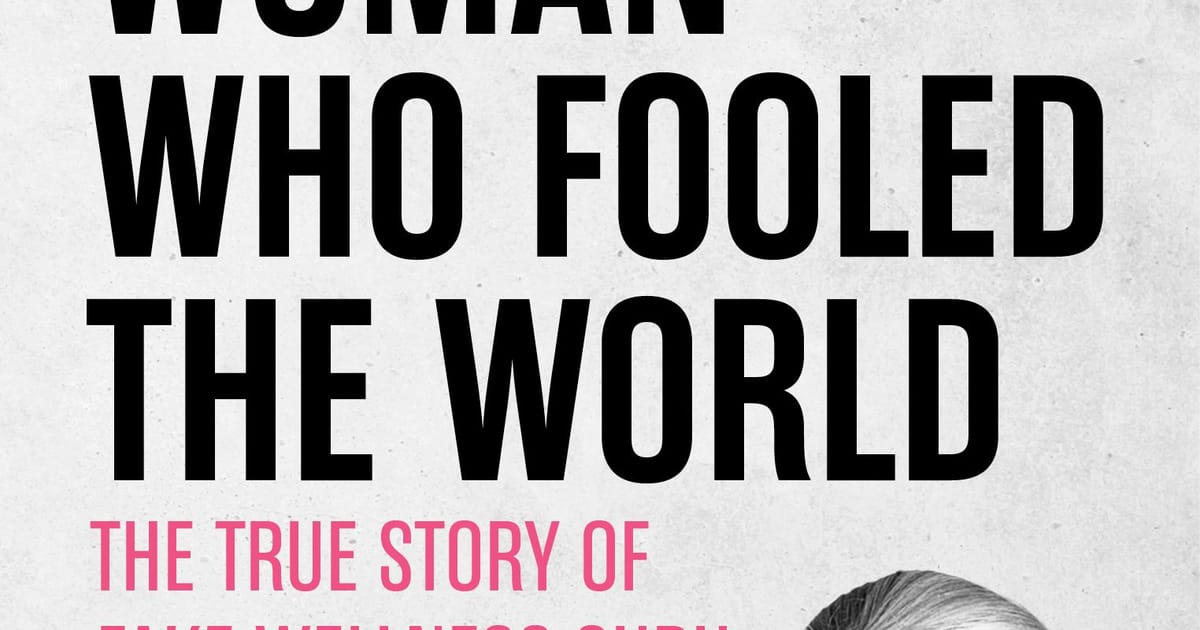 The Woman Who Fooled The World by Beau Donelly & Nick Toscano | Book
Third, remember that vulnerability can be a costume. Toxic people often weaponize hardship to control others. If someone’s story makes you feel obligated to defend them or validate them emotionally, take a step back. Belle’s entire brand was built on making people feel needed.
Finally, listen to your gut, but fact-check with your head. Your intuition is great for noticing when something feels off. Your brain is for verifying if that “off” feeling is justified. Combine them, and you become a hard target for any con artist.
The Reflection
We all want to believe in miracles. We want to think that if we just eat the right superfood or think positive thoughts, we can beat the odds. Belle Gibson’s story isn't really about her—it’s a mirror held up to our own hunger for certainty in an uncertain world. She didn’t build a house of cards alone; we all handed her the deck.
So, here’s the daily takeaway: Be kind to your doubts. When that charismatic wellness guru or smooth-talking friend tells you something that sounds like a movie script, smile, nod, and then do your own research. The world is full of real healing, real kindness, and real miracles—but they rarely come with a filtered photo and a payment link. The best story you can believe is the one you’ve verified yourself.