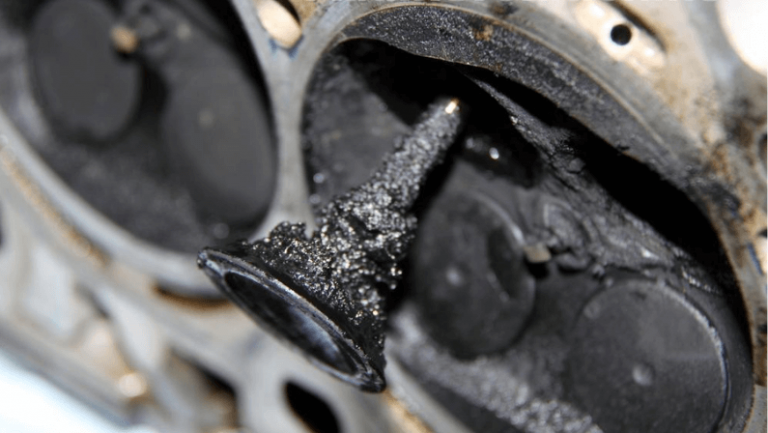
Let’s be honest—your car’s engine is a bit like your kitchen after a big family dinner. You know, the one where someone fried bacon, baked a casserole, and then forgot to wipe down the stovetop? That greasy, sticky mess that clings to everything? That’s pretty much what carbon buildup looks like inside your engine, except instead of bacon grease, it’s a mix of unburned fuel, oil, and heat that bakes into a hard, crusty deposit. And just like that stovetop mess, if you ignore it, things get really hard to clean later.
I remember my old hatchback, Betsy, started feeling sluggish on highway merges. She’d hesitate, like she wasn’t sure she wanted to go, and my mechanic just smiled and said, “She’s got a bad case of the carbon crunchies.” It made me laugh, but that crunching sound was real—carbon buildup was literally choking her. So, what exactly causes this gremlin to move into your ride? Let’s break it down without any boring engineering talk.
The Greasy Roots: Where Does It Come From?
Carbon buildup is mostly a tale of incomplete combustion. Think of it like this: you’re making toast, but the toaster is a little old and doesn’t heat evenly. Some bread gets burnt, leaving a black crust. In your engine, the fuel-air mixture doesn’t always burn perfectly, especially in modern engines that run lean. That leftover “crust”—soot, oil vapor, and unburnt fuel—sticks to valves, pistons, and injectors.
Must Read
Another big culprit is the oil itself. Even the best oil sneaks past piston rings in tiny amounts, especially when the engine is cold. It’s like a bit of butter melting off your knife and onto the counter. Over time, that oily film gets baked by engine heat into a hard, dark residue. It’s not malicious—it’s just physics being a little messy.
Then there’s direct injection, a fancy tech term for how most modern engines squirt fuel straight into the cylinder. It saves gas and cuts emissions, which is great for the planet. But because the fuel doesn’t wash over the intake valves (like old engines did), those valves become a landing pad for carbon gunk. It’s like having a roomba that never sweeps the corners—the mess just piles up.
Your Driving Habits: The Accidental Chef
You’re probably not intentionally speeding up carbon buildup, but your driving style plays a huge role. Short trips are the worst culprit. If you only drive a few miles to the store or work, the engine never warms up fully to burn off moisture and deposits. It’s like trying to boil water and turning off the stove after two minutes—you just get lukewarm chaos.
Then there’s the “gentle driver” syndrome. I’m totally guilty of this—nudging the throttle, never revving above 2,500 rpm. While it’s eco-friendly and saves gas, it also means the engine doesn’t get a good, hot blowout. Carbon buildup loves a lazy throttle because deposits settle in like a cozy couch potato. Your high-performance cousin who revs up to redline every day? Their engine is actually cleaner, believe it or not.
 Carbon Buildup in Engine – Causes, Symptoms and Fixes - Upgraded Vehicle
And let’s not forget bad fuel or cheap oil. Using low-quality gas can leave more residue, and oil that breaks down too quickly lets more gunk circulate. It’s like using discount pancake mix that sticks to the pan—you’ll spend more time scrubbing than eating. Treat your engine to good stuff, and it’ll repay you with fewer cravings for that carbon casserole.
Why Should You Care? (Besides the Jokes)
Okay, so carbon buildup sounds like a messy inconvenience. But here’s why it matters to your wallet and your smile: it steals power. That hesitation you feel when you stomp the gas? That’s carbon restricting airflow, like trying to breathe through a straw filled with peanut butter. Your car has to work harder, burning more fuel and costing you more at the pump.
It also messes with fuel economy. Imagine walking with a backpack full of rocks—you’d get tired faster and need more energy. Your engine feels the same: more carbon means more friction, less efficiency, and a lower mpg number. Over a year, that adds up to a few free tanks of gas you’re just throwing away.
And here’s the scary bit: if buildup gets really bad (like the “burnt toast” stage), it can cause engine knocking, misfires, or even valve damage. That’s a repair bill that’ll make you wince, often in the thousands. It’s like ignoring a squeaky door until the door frame cracks—fixing it later is way more painful than a little oil now.
 What Causes Carbon Build Up In An Engine | Detroit Chinatown
How to Keep Your Engine Clean-ish (Without Tears)
You don’t need to be a mechanic to fight carbon buildup. Drive harder occasionally. Seriously—take your car on a highway run once a week, and let it rev up to 4,000 or 5,000 rpm for a few seconds. It’s like blowing out the dust from a fan. Your engine will thank you with a little spirited roar.
Use top-tier gasoline (the stuff with extra detergents) or a fuel additive every few thousand miles. These act like a gentle scrub for the inside. Think of it as mouthwash for your engine—not a replacement for cleaning, but a good preventive measure. Change your oil on time, too, with the right grade.
If you’re really worried (or if your car is over 60,000 miles), ask a mechanic about a walnut blasting or chemical cleaning. That sounds terrifying, but it’s just blasting crushed walnut shells or a solvent into the intake to knock off the crud. Your car will run smoother than the day you bought it—like a spa day for your engine.
So next time your car feels a little sluggish, just wink and say, “I bet you’ve got some carbon buildup, buddy.” Then take it for a joyride, use good gas, and give it a little tough love. Your engine is a trooper—treat it well, and it won’t leave you stranded with a greasy mess. And remember, even if carbon buildup happens, it’s just life’s sticky reminder: things get dirty, but we can always clean them up with a little care and a big smile.