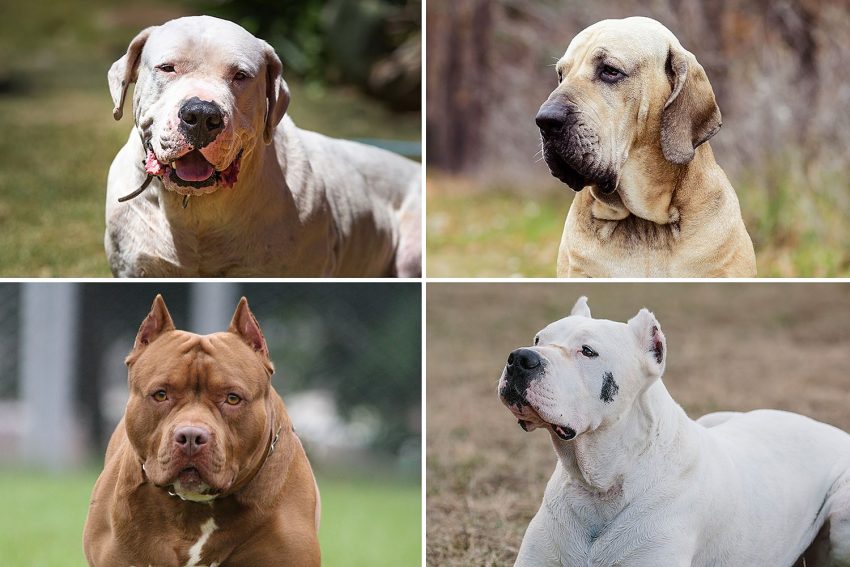
You’ve probably seen them—those big, muscular dogs strutting through the park, sometimes with a reputation that makes you wonder. Maybe you even stopped to pet one and thought, “Wow, that’s a serious-looking dog!” Well, here’s a fun fact: in the UK, some of those dogs are actually illegal to own, breed, or sell. Yes, really.
Think of it like a forbidden pizza topping—except this one can end up in court. The law in the UK bans four specific breeds outright, and they’re not your average Labrador. Let’s dive into which dogs are on the naughty list, and why you should care, even if your only dog is a stuffed one on the sofa.
The Four Banned Breeds: The UK’s ‘No-Go’ Dogs
Under the Dangerous Dogs Act 1991, four types of dogs are illegal to own without a special exemption. They are: the Pit Bull Terrier, the Japanese Tosa, the Dogo Argentino, and the Fila Brasileiro. If you own one of these, you could face a hefty fine or even jail time.
Must Read
Imagine walking your dog and suddenly a police officer asks for its papers. That’s the reality for anyone with a banned breed. The law doesn’t care if your dog is the sweetest soul on earth—it’s the type that matters.
Your Neighbour’s ‘Pit Bull’ Might Actually Be a Legal Dog
Now, here’s where it gets tricky. The law doesn’t just ban a breed by name—it bans dogs that look like a Pit Bull Terrier. That includes crossbreeds. So a staffy-mix with a big head and short coat might accidentally break the rules. This is why the Kennel Club and vets often say the law is confusing.
Picture this: you adopt a rescue dog from a shelter, and a few walks later, a neighbour points and says, “That looks suspicious.” Suddenly, you’re dealing with a court case over a dog that might not even be purebred. It’s like getting pulled over for speeding in a car that looks fast—even if you’re going 20 mph.
Why Should You Care? (Even If You Have a Chihuahua)
You might think, “I own a golden retriever, so this doesn’t affect me.” But here’s the thing: the Dangerous Dogs Act affects everyone who owns a dog in the UK. If your dog is ever accused of being banned, you need to prove it’s not—through DNA tests, measurements, and a court order. That’s stressful and expensive.
Also, the law applies to public places. So even if your dog is legal, you still have to keep it under control. But for banned breeds, a dog can be seized and destroyed, even if it’s never bitten anyone. It’s a hard pill to swallow, and it’s why responsible ownership is so important.
 I’m a vet - the four dog breeds that are illegal in the UK and why
The Real-Life Story of Lenny the ‘Pit Bull’
There’s a famous case of a dog named Lenny, a staffy-cross who was seized by police because he looked like a Pit Bull. The owner spent months and thousands of pounds fighting to prove Lenny was a legal crossbreed. Spoiler: Lenny won, but only after a long, emotional battle. Imagine your dog being locked up for weeks just because of how it looks.
That’s why you should care: because the law isn’t always fair. It’s like judging a book by its cover, but with real consequences. So if you see a dog that looks ‘tough,’ don’t assume it’s dangerous—and don’t assume it’s illegal. The owner might be navigating a legal minefield.
How Do You Spot a Banned Breed? (Spoiler: It’s Hard)
The law uses physical measurements to decide if a dog is banned. Things like head shape, jaw size, and body proportions. You can’t just Google a photo and declare your neighbour’s dog illegal. It takes an expert—a dog breed specialist—to check.
Here’s a simple guide: banned dogs tend to be powerful, muscular, and have a blocky head. But lots of legal dogs, like Bulldogs and Boxers, also look tough. So unless you’re a judge, leave the judgment to the professionals. Your friendly mutt might be fine—or not.
Think of it like guessing someone’s nationality by their face. You’ll get it wrong half the time. Best to just enjoy a game of fetch instead.
What Happens If You Own One?
If you’re caught with a banned breed, the police can seize your dog immediately. You’ll then need to get a court’s permission to keep it, plus a certificate of exemption. That means microchipping, neutering, and a lifetime of muzzling in public. Plus, you must pay for insurance.
 Banned Dog Breeds In The Uk: A Definitive Guide – JMNG
And no, you can’t hide it. The law applies everywhere—your home, garden, and car. Even if your dog is inside, someone could report it. It’s a bit like having a loud car with no muffler: everyone notices, and eventually, someone complains.
The Funny Side: When Banned Dogs Are Actually Puppies
Here’s a smile for you: sometimes, people report a puppy as a banned breed, only for it to grow up into a slobbery, goofy crossbreed with floppy ears. The law doesn’t care about age. So a 12-week-old puppy that looks like a tiny Pit Bull can be taken away, even if it’s just a chubby Labrador mix. It’s both tragic and a little silly.
Imagine calling the police because a fluffball with big paws looks “scary.” The officer arrives and sees a dog that can’t even reach the sofa. That’s the reality of breed-specific legislation—it’s a blunt tool for a complex problem.
Why the Law Might Change Soon
There’s growing debate in the UK about whether this law actually works. Many animal charities say it’s outdated and doesn’t reduce dog bites. Instead, they argue, we should focus on training and responsible owners. After all, a Rottweiler on a lead is safer than a Chihuahua off it.
The government often reviews the ban, but change is slow. So for now, if you’re considering a dog that looks tough, do your homework. Check with a vet, not a friend. And remember: the best dog is the one you love, even if it’s not allowed in the park.
So, next time you see a dog with a big head and a wagging tail, give it a smile. It might be illegal—but it’s probably just a good boy in need of a cuddle.