
I remember my first attempt at welding aluminum. It was a disaster of epic, molten, gooey proportions. I had my steel settings dialed in, hit that pedal, and basically invented a new form of abstract sculpture. The crater looked like a frantic alien had tried to write its name with a sparkler.
That’s the moment I learned the hard truth: aluminum is a drama queen. It doesn’t behave like steel; it’s a heat-sucking, oxide-covered monster. So, what gas do you need to tame this beast? Let’s dive in, because messing this up is expensive.
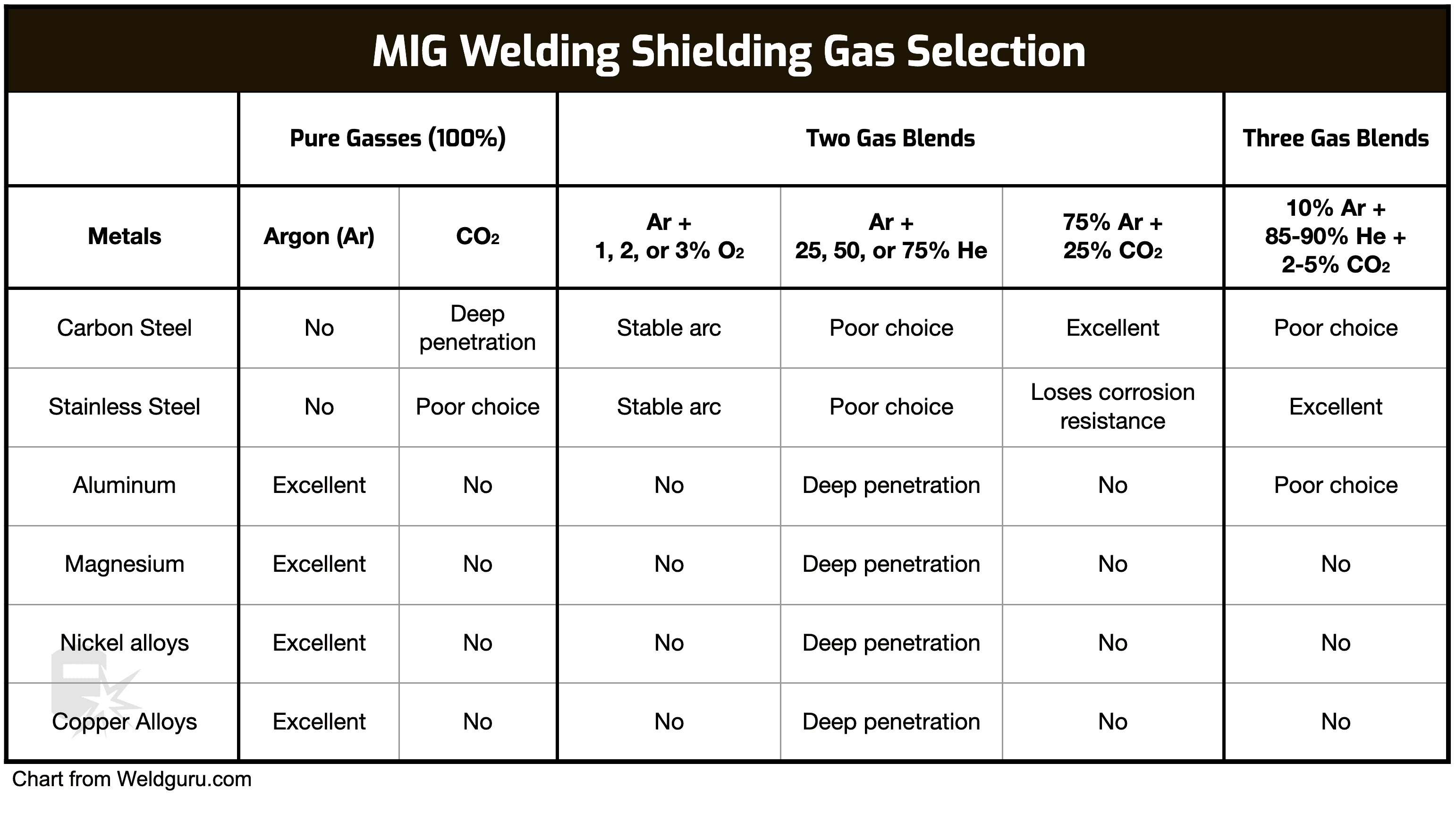
The Boss Gas: 100% Argon
For nearly all hobbyist and professional aluminum welding, your only friend is pure Argon. Yes, it sounds simple, but there’s a reason. Argon is a heavy, inert gas that forms a protective blanket over your weld puddle.
Must Read
If you try to use a mix (like the 75/25 Argon/CO₂ you use for steel), you’ll get a black, sooty mess that looks like charcoal. The CO₂ reacts with the aluminum, creating aluminum oxide that ruins the weld. Don’t do it—just don’t.
Think of Argon as the bouncer at a VIP club: it keeps oxygen out, but doesn’t party with the metal. It’s stable, clean, and forgiving—exactly what you need when you’re trying to lay down a bead that doesn’t look like a pigeon stepped in it.
Why Not Helium? (The Expensive Cousin)
Okay, let’s talk about Helium. Sometimes you’ll hear old-timers swear by it. Helium is hotter and lighter than Argon, so it lets you weld thicker aluminum faster. It also creates a wider, more fluid puddle.
But here’s the catch: Helium costs a kidney. And because it’s lighter, it escapes your gas nozzle like a kid running from a bath. You need higher flow rates, which means your tank empties twice as fast. For a normal person welding a car intake or a boat part? Pure Argon is plenty.
Unless you’re welding 1-inch thick aluminum in a windstorm, skip the Helium. Your wallet will thank you—and your weld won’t know the difference.
 Aluminum Gas Welding at Cornelius Zepeda blog
The Magic of AC Current
Gas is only half the story, friend. You can’t just throw Argon at aluminum with DC current like you do with steel. Aluminum is covered in a tough oxide layer that melts at a much higher temperature than the metal underneath.
This is where AC (Alternating Current) welding comes in. The cycle cleans the oxide off during one half of the wave, then melts the metal on the other half. It’s like a car wash for your weld—scrub, rinse, repeat.
Without AC, the Argon is just a spectator. That’s why your TIG welder needs that AC switch. Got it? Good. Now, about those gas settings…
Flow Rate: Don’t Be Cheap
Set your flow meter to 15–20 CFH (cubic feet per hour). Too low, and the air sneaks in, causing porosity (tiny bubbles that weaken the weld). Too high, and you create turbulence that sucks in air from the sides—ironic, right?
If you’re welding outside where the wind blows, bump it to 25–30 CFH. But remember: more gas is not always better. You want a gentle, laminar flow, not a tornado. A gas lens nozzle helps here—it smooths out the flow and lets you use less gas overall.
Pro tip: check your gas hose for leaks. I once spent an hour chasing a bad weld, only to find a tiny hole in my hose sucking in the neighbor’s lawnmower exhaust. Smelled like victory. It was not.
 Gas For Mig Aluminum Welding | Explora Madeira
Real Talk: When to Mix Gases
You might hear about “Argon-Helium mixes” for specific jobs. For example, 75% Argon / 25% Helium gives you more heat without the full cost of pure Helium. It’s great for thick plates or vertical-up welds where you need extra fluidity.
But for 90% of home welders? Stick with pure Argon. It works on thin sheets, thick plates, and everything in between. It’s the “one size fits most” champion. The only time I’d recommend a mix is if you’re welding something >½ inch thick and want to avoid preheating with a torch.
And let’s be honest—most of us are welding lawnmower decks, brackets, or nerf bars. Pure Argon has you covered. Save the exotic mixes for the aerospace guys with the bank accounts to match.
The Final Tip: Clean Your Metal
Before you even think about turning on the gas, clean that aluminum with acetone or a stainless steel brush. Oil, grease, or that dried-out WD-40 from last year? They vaporize in the arc and create gas pockets that make your weld look like Swiss cheese.
I once skipped this step because I was “in a hurry.” My weld turned into a black, crackling sponge. The Argon was perfect—but the dirt was the villain. Your gas can’t fix a dirty surface.
So, here’s the summary: pure Argon, AC current, 15–20 CFH, and a clean part. That’s the recipe. No secret sauce, no magic tank. Just you, your torch, and a little patience. Now go make some pretty, shiny beads—and don’t forget to wave at the neighbors when you’re done.