
So, you’ve spent decades squirreling away money into that pension pot. You’ve watched it grow, worried about it, and daydreamed about the beach holidays it will fund. But then a slightly morbid thought creeps in: What happens to all that cash if I kick the bucket before I get to enjoy it? It’s a fair question, and honestly, it’s one of the most important things you’ll ever figure out. Let’s talk about it like we’re having a cuppa in the kitchen.
First, the good news: you almost never lose your pension savings. Gone are the old days when your work pension vanished into the ether if you died before retirement. Unless you’ve opted for a very specific (and rare) kind of annuity, the money you’ve built is an asset—like a house or a car. That means it belongs to you, and it will go to someone you love.
The Two Main Types of Pensions
To understand what happens, you first need to know which kind of pension you have. Think of it like having two different types of piggy banks.
Must Read
1. The Defined Contribution Piggy Bank (The Most Common)
This is the one most of us have today. It’s like your own personal savings pot. You and your boss put money in, you invest it, and whatever is in there at the end is yours. When you die, that entire pot goes to your named beneficiaries. That’s your spouse, kids, best friend, or even a charity. It’s like leaving a will, but for your retirement savings. No one else can touch it.
Here’s the clever bit: if you die before age 75, the money is usually tax-free for whoever inherits it. Imagine your daughter getting a lump sum of £50,000 and not having to give a penny to the taxman. That’s a lovely win. If you die after 75, they’ll pay income tax on whatever they take out—just like you would have. But hey, they’re still getting the full pot, just with a small tax bill.
2. The Defined Benefit Piggy Bank (The Old-School Promises)
This is the classic “final salary” or “career average” pension. It’s like a promise from your old employer to pay you a set amount each month forever. This one works differently. If you die before retirement, your spouse or dependent children usually get a payout. Often, it’s a lump sum (like two to four times your salary) and then a reduced monthly pension for your partner for the rest of their life.
 What Happens To Your Private Pension When You Die? 2026 Guide
The exact rules are written in your scheme’s small print. But here’s the warm fuzzy bit: they will not leave your family destitute. That’s the whole point of these old schemes. Your partner might get half or two-thirds of your pension, but they’ll still have a steady income. It’s a safety net woven from decades of your hard work.
What About the State Pension?
Ah, the State Pension. It’s the government’s contribution to your golden years. If you die before you claim it, you get nothing—which sounds brutal. But there’s a tiny silver lining. If you die after you’ve started claiming, your spouse or civil partner might inherit a little bit of it. It’s called a “bereavement support payment” or “inherited State Pension.” It’s not a fortune—usually a few hundred pounds a month—but it’s a little nod that says, “We see you.”
Why Should You Care Right Now?
Because naming a beneficiary is free and takes five minutes. If you don’t do it, your pension pot might end up sitting in limbo while the trustees decide who gets it. This can take months, and your family will be stressed trying to figure out paperwork while grieving. Don’t do that to them.
Here’s a little story: My mate Dave died suddenly at 62. He had a pension pot worth £120,000. He’d never filled out a “nomination form.” His ex-wife tried to claim it. His current partner fought for it. Lawyers got involved. It took two years and thousands in legal fees before his partner got the money. Dave’s final gift to his family was a headache. Don’t be Dave.
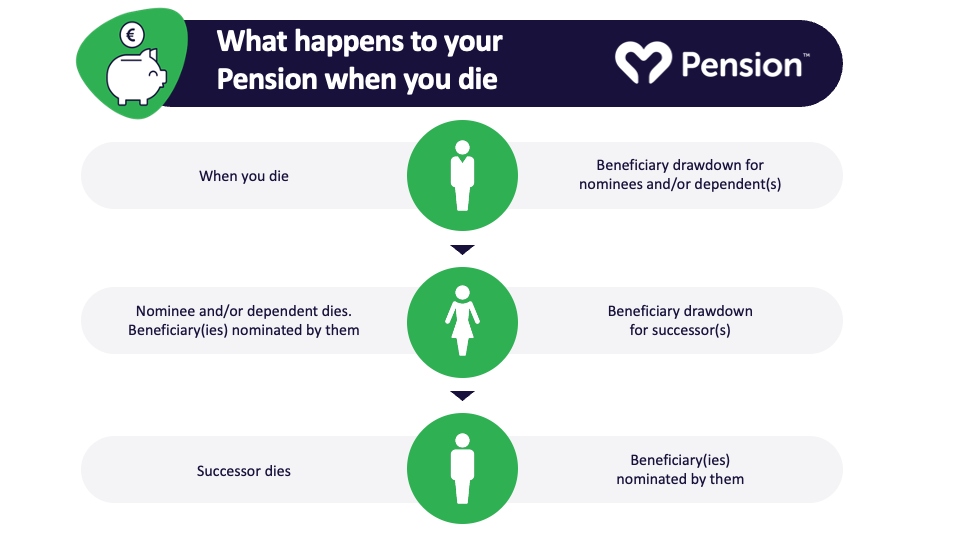 What Happens to My Pension When I Die? - MyPension
How to Make It Simple
Log into your pension account today. Look for the section called “Beneficiaries” or “Expression of Wish.” Type in the name of the person you want to get the money. That’s it. You can even split it—50% to your spouse, 25% to your sister, and 25% to a favourite charity. You have total control.
And here’s the kicker: this money is outside of your will. That means it doesn’t go through probate. It bypasses the legal queue and lands directly in your loved ones’ bank accounts within weeks, not months. It’s one of the few things in life that is genuinely fast and hassle-free when you die. Take advantage of that.
The Bottom Line
Your pension isn’t just your ticket to a nice retirement. It’s also a gift you leave behind. Whether it’s a lump sum to pay off your kid’s mortgage or a steady income for your spouse to buy groceries, that money has purpose beyond you. So grab a cuppa, open your pension app, and check who’s listed. If it’s blank, drop a name in. It takes less time than making a sandwich, and it might just be the kindest thing you do today.
After all, you’ve worked hard for that pot of gold. Make sure the right leprechaun finds it.