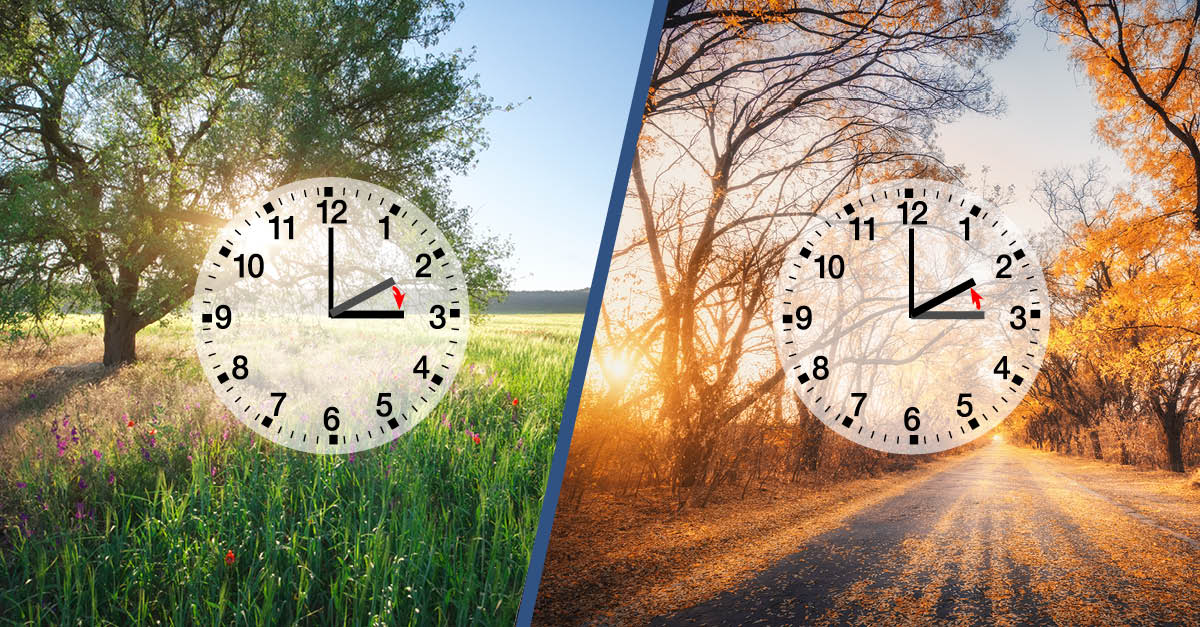
Let’s be honest: the phrase “summer time change” elicits two very different reactions. For some, it’s a cheerful alarm bell for barbecues and golden evenings. For others, it’s a groggy, disorienting tax we pay twice a year.
The good news? We’re talking about the spring-forward part—the one where we lose an hour of sleep but gain a glorious extra hour of daylight. It’s the official handshake between winter hibernation and summer freedom.
But when exactly does this ritual happen? The date isn’t universal, and that’s where the modern confusion often begins.
Must Read
Mark Your Calendar: The Key Dates
For most of the United States, the switch to Daylight Saving Time (DST) occurs on the second Sunday of March. In 2024, that fell on March 10, and for 2025, it will be March 9.
Europe runs on a slightly different schedule, typically springing forward on the last Sunday of March. So if you’re hopping across the Atlantic virtually or in person, double-check the local clock.
A fun fact: the actual moment of change is 2:00 AM local time. That’s when clocks leap forward to 3:00 AM, making it the shortest “night” of the year—unless you count partying until sunrise.
The Cultural Clock: Why We Still Do This
Benjamin Franklin famously joked about it in 1784, but the modern concept was a wartime efficiency measure. Today, it’s less about saving candles and more about aligning our active hours with the sun.
Think of it as a collective decision to steal time from the morning and gift it to the evening. It’s why you can finish work and still have a solid two hours of light for a run or a drink on the patio.
Culturally, the time change has become a rite of spring. It’s the weekend we all begrudgingly reset our oven clocks, car dashboards, and microwaves.
 British summer time 2025: When and why do the clocks go forward in the
Practical Tips for a Smoother Spring Forward
Your body’s internal clock is stubborn. You can’t just order it to reset overnight, so you need a game plan. Start shifting your bedtime by 15 minutes earlier three days before the change.
On Sunday morning, get outside early. Natural light is your best friend for adjusting your circadian rhythm. Even a ten-minute walk can work wonders.
Also, avoid the caffeine trap. That extra latte at 4 PM feels like a good idea, but it will sabotage your sleep schedule for days. Stick to water or herbal tea after lunch.
One more tip: prepare your home the night before. Set your analog clocks forward before you sleep. Waking up to an already-adjusted world is less jarring.
Fun Little Facts to Impress Your Friends
Did you know that Arizona and Hawaii don’t participate? They stay on standard time all year, so they are effectively “time-change rebels.”
And here’s a wild one: in 1974, the U.S. experimented with year-round DST during the energy crisis. It was so unpopular—especially with parents sending kids to school in the dark—that it was repealed within a year.
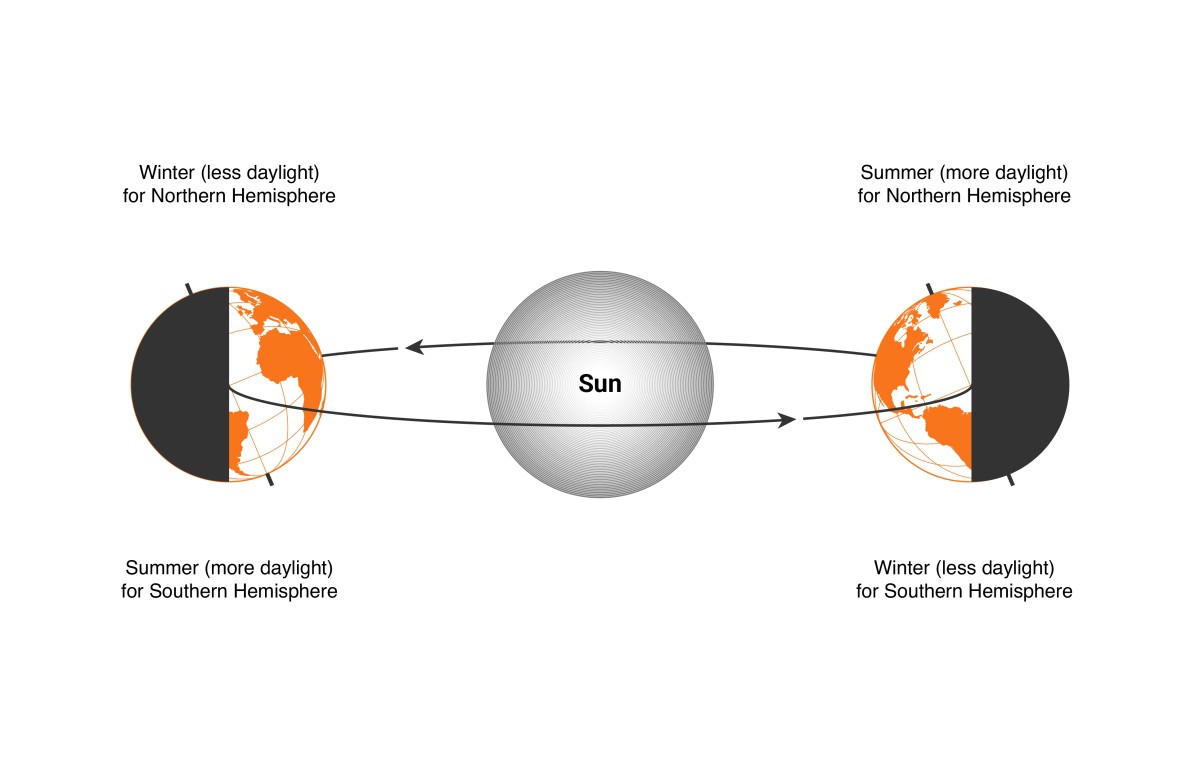 Daylight Saving Time. Why do we change the clocks?
The phrase “spring forward, fall back” became common in the 1990s. Before that, people just mumbled about “the clock thing” and hoped for the best.
The Global Dance of Time
About 70 countries observe some form of DST, but the start and end dates are a chaotic mix. If you’re coordinating with someone in Australia, good luck—they move their clocks in October.
There’s even a movement to abolish the practice entirely. The U.S. Senate passed a bill called the Sunshine Protection Act in 2022, but it didn’t become law. So for now, we’re still dancing.
Whether you love it or hate it, the time change is a shared experience. It’s one of the few things that millions of people do at the exact same moment, a tiny collective brain-sync.
A Short Reflection for Daily Life
Think about it: a single hour can feel like nothing or everything. We lose it, we gain it, and we spend the next few days adjusting our coffee intake.
But here’s the beauty of the summer time change. It’s a reminder that time is flexible. We made this system up. And every year, we choose to tip the scales toward more light at the end of the day.
So when that Sunday arrives, don’t just grumble about the lost sleep. Instead, step outside and notice the extra brightness at 7 PM. It’s a small, human-made miracle—a promise that summer is coming, and with it, a slower, sunnier rhythm of life.