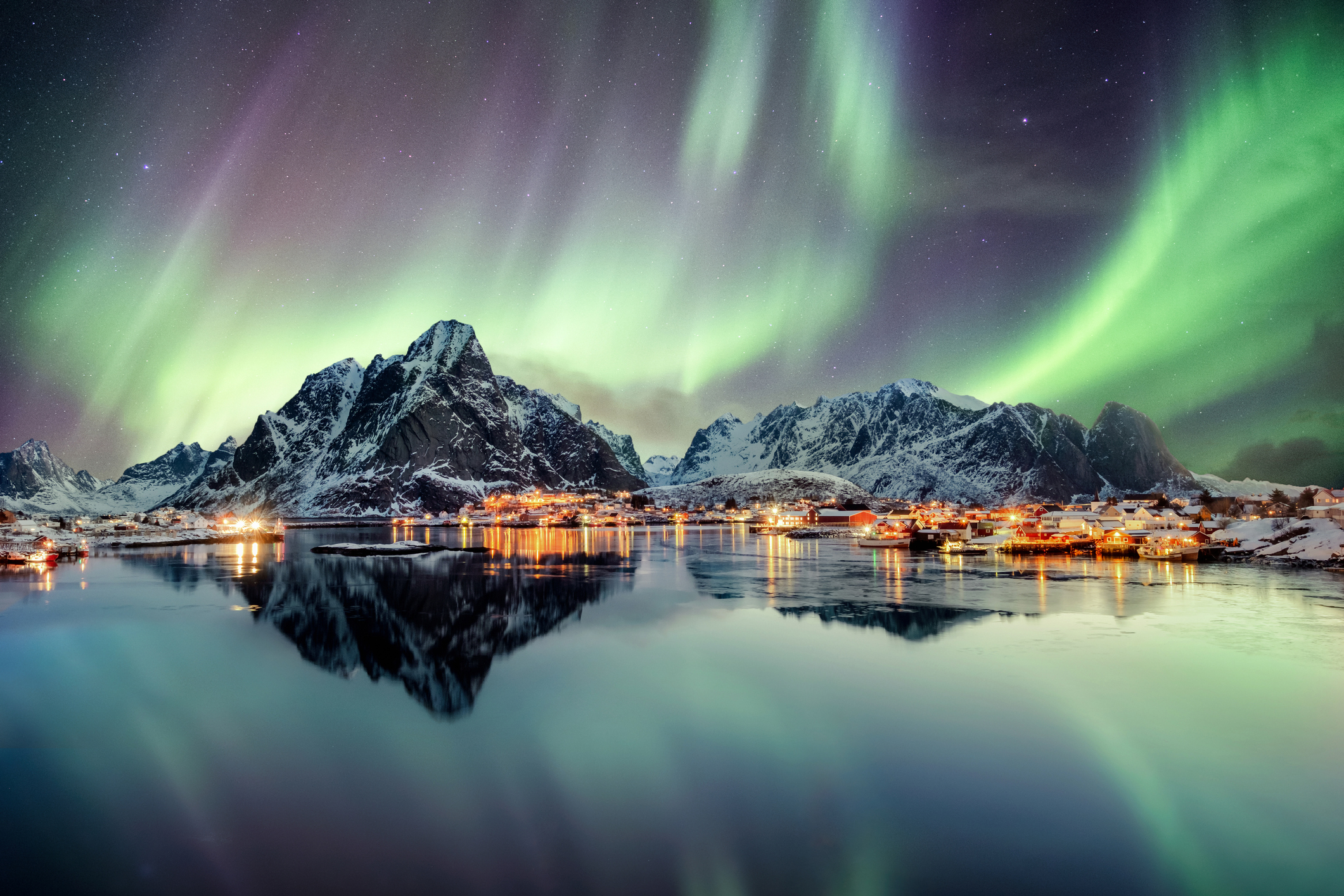
So, picture this. I’m bundled in a snowsuit that makes me look like a radioactive marshmallow, standing in a field in northern Finland at 2 AM. My toes are gone—I’m pretty sure they surrendered to frostbite an hour ago.
Then, without warning, the sky just cracks open. A curtain of green light, shot through with pink, starts dancing like someone spilled a radioactive slushie across the stars. I forgot the cold. I forgot my name.
That’s the Aurora Borealis for you. It’s nature’s most exclusive light show, and unlike your neighbor’s Christmas decorations, you actually need a game plan to catch it.
Must Read
Where to go? (Spoiler: Not your backyard, unless you live in Alaska)
First, you need dark skies—like, zero light pollution. City lights kill the aurora faster than a bad Wi‑Fi signal kills a Zoom call.
Your best bets are the auroral oval, a ring around the North Pole. That means Norway, Sweden, Finland, Iceland, Canada, and Alaska. Yes, you have to travel to the end of the world. No, there’s no shortcut.
In Scandinavia, head to Tromsø (Norway) or Abisko (Sweden). Tromsø is a proper city with bars and flights; Abisko has a tiny village and famously clear skies. Your call—do you want to see lights after a craft beer, or after a 30-minute trek in -20°F?
Iceland is hyped, and it’s gorgeous, but it’s also cloudy as heck. You might see the lights through a fog of volcanic mist—or just see fog. Canada’s Yellowknife is a hardcore option: cheap flights, but bring a parka rated for “absolute zero.”
For Alaska, Fairbanks is the classic. It’s so reliable they have a “Aurora Alert” app. Seriously. You can literally get a push notification saying “Go outside, nerd.”
When to stalk the sky
Here’s the dirty secret: auroras don’t care about your calendar. They happen all year, but the sun has to be dark enough—meaning long, dark nights.
 See the Aurora Borealis (Northern Lights)
The prime season is September to March. October and February are especially good because the equinoxes mess with the Earth’s magnetic field. Yes, I just used “equinox” in a blog post. You’re welcome.
But not midnight. Everyone thinks midnight is the magic hour. The real sweet spot? 10 PM to 2 AM—local time. Sometimes it shows up at 8 PM, sometimes at 4 AM. That’s why you need patience and thermal underwear.
Pro tip: check the Kp-index on a space weather app. A Kp of 4 or higher means you have a solid chance. A Kp of 6? Cancel your dinner plans and camp outside.
But what about the moon?
Oh, the moon. Beautiful, romantic, and a total aurora-killer. A full moon washes out the lights like a security floodlight in a disco.
So aim for a new moon or a thin crescent. October and November often have dark skies without the moon ruining your photos. (Unless you’re into that “faint green haze” look. Then, by all means, schedule a lunar party.)
Also: clouds are your enemy. Check the forecast for “clear skies,” not just “low precipitation.” A clear sky at -30°C beats a cloudy sky at -5°C any day. You’ll feel warmer—mostly because you’ll be dancing from joy.
The wild card: solar storms
Auroras are caused by solar wind—tiny particles from the sun slamming into our atmosphere. Sometimes the sun has a tantrum (a “coronal mass ejection”), and then the aurora goes ballistic.
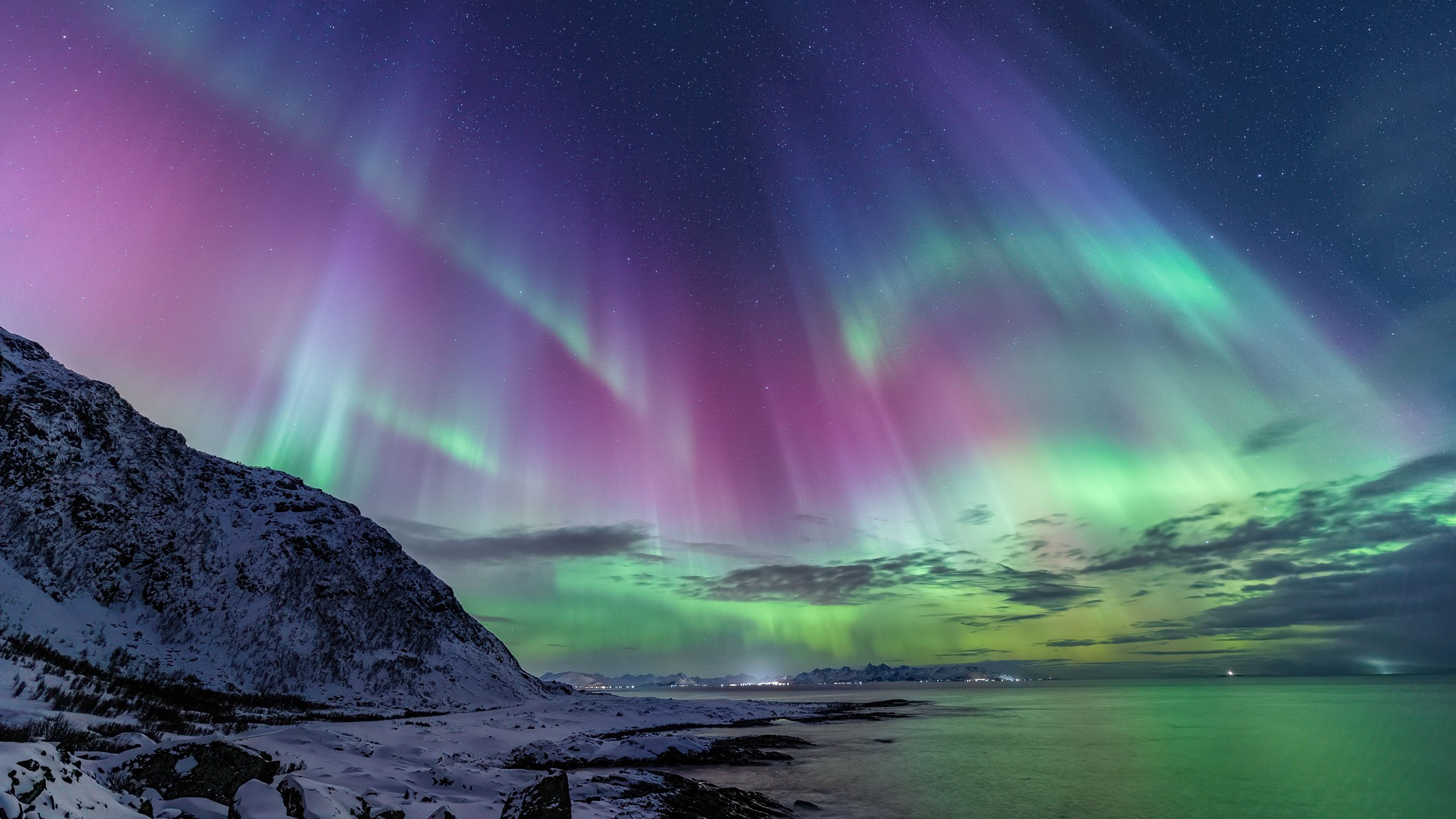 Real Northern Lights What Are The Northern Lights: The Aurora Borealis
If you hear about a solar storm hitting Earth in two days, move your trip. Seriously. Cancel your dentist appointment. Book a last-minute flight to Iceland. That’s when you see purple, red, and green curtains swirling over the horizon like a cosmic flag.
These events are rare, but they’re why some people see auroras even in Scotland or northern England. In 2024, a huge storm brought the lights as far south as Spain. So if you live in Glasgow, keep your eyes peeled—you might not need to fly to Oslo.
A very Norwegian secret
If you want to maximize your odds, go to Svalbard, Norway. It’s an Arctic archipelago where it’s dark for months. But here’s the twist: you can see the aurora during the day—because “daytime” is just perpetual twilight there in winter. It’s trippy. It’s expensive. It’s worth it.
Or, you know, just go to Fairbanks. The locals are friendly, the hot tubs are hot, and they have a “Aurora Ice Museum.” I’m not joking. You can drink a vodka shot out of an ice glass while watching the sky. Priorities.
The final truth (don’t skip this)
Here’s the thing I learned while freezing my toes off in Finland: you cannot force it. You can be in the perfect spot with a Kp-index of 7 and clear skies, and still get nothing for three nights. Then, on the fourth night, when you’re about to give up, the sky explodes.
That unpredictability is the magic. It’s not a product you order on Amazon; it’s a performance that requires patience, luck, and a serious amount of wool socks.
So pack your thermals, download a space weather app, and plan a trip to Tromsø or Abisko in late February. If you don’t see the lights, you’ll still see snow, stars, and maybe a moose. And if you do see them? You’ll forget your name again. I promise.