
You finally caved and bought the bottle of rosehip oil everyone’s been raving about. You applied it with the reverence of a skincare shaman, hoping for that glowy, plump complexion. Then, the next morning, you wake up to a new friend—or three—on your chin. Panic sets in: did rosehip oil just betray you?
Let’s hit pause on the skincare panic button. The relationship between rosehip oil and breakouts is complicated, but it’s not a one-sided villain story. In fact, this oil is more like that intense friend who can either elevate your vibe or trigger a drama, depending on your skin’s mood.
The Science Behind the Squeeze
Rosehip oil is a dry oil, which means it’s light and absorbs quickly—unlike heavy coconut or olive oils. It’s packed with linoleic acid, which can actually calm acne-prone skin by regulating sebum production. Sounds perfect, right?
Must Read
Here’s the twist: your skin might be reacting to the quality of the oil, not the oil itself. Cheap, improperly stored rosehip oil can oxidize, turning rancid and irritating your pores. Think of it like avocado toast—fresh is glorious; brown and sad is a disaster.
Fun fact: Rosehip oil is technically a carrier oil, not an essential oil. It’s cold-pressed from the seeds of wild rose bushes, and it’s been used for centuries by the Mapuche people in South America for healing. Ancient skincare, no filter needed.
The Real Problem: Purging vs. Breaking Out
When you start using a new active like rosehip oil, your skin can go through a purging phase. This isn’t a breakout—it’s your cells speeding up their turnover, pushing out all the gunk that was already lurking. Purging looks like tiny, even-textured bumps that appear where you usually break out.
A true breakout is angry, inflamed, and shows up in random places—like your forehead or cheeks, where you never had issues. It also happens quickly, often within 24 hours of application. If it’s red and tender, your skin is saying no.
So, how do you tell the difference? Give it two weeks. If the bumps fade and your skin looks smoother, it was purging. If they multiply and bring friends, it’s a hard pass on rosehip oil.
Your Skin Type & the Oil’s Fingerprint
Rosehip oil is a comedogenic rating of 1, which means it’s very unlikely to clog pores. But “unlikely” isn’t “impossible.” If you have extremely oily or fungal-acne-prone skin, any oil can be a trigger. It’s like wearing cashmere in a desert—lovely, but not ideal.
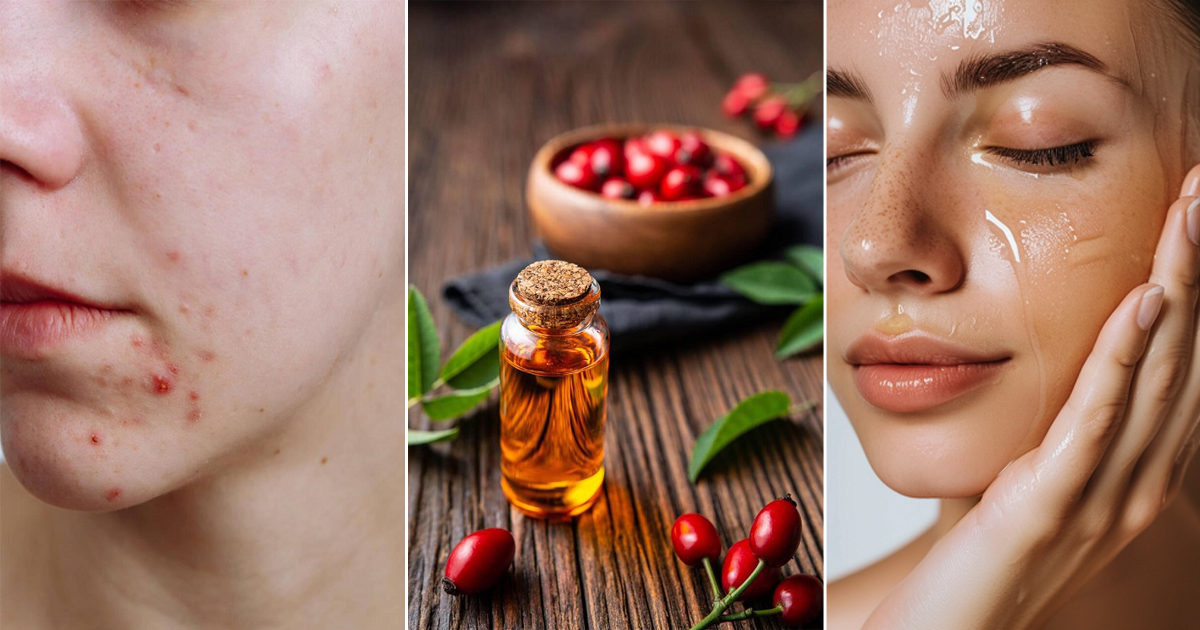 6 Benefits Of Rosehip Oil For Skin - Castor Oil Guide
Interestingly, rosehip oil is often recommended for mature, dry, or scarred skin because of its vitamin C and retinoid-like properties. If you’re in your twenties with oily skin, you might be better off with a squalane or hemp seed oil instead. Know your season of life.
Cultural side note: in traditional Ayurvedic medicine, rosehip is considered a cooling oil, used to calm Pitta dosha—basically, internal heat. So if your breakouts flare up in summer or after spicy food, this oil might actually help your skin breathe.
Practical Tips to Test Without Crying
First, patch test like your life depends on it. Dab a drop behind your ear or on your inner arm for 48 hours. If you don’t see a red, angry reaction, move to a small area on your jawline for a week. Patience is cheap; breakouts are expensive.
Second, layer smart. Never apply rosehip oil to wet or damp skin if you’re prone to breakouts. Use it after your moisturizer as a sealant, or mix one drop into your night cream. Less is more—think of it as a whisper, not a shout.
Third, buy cold-pressed, organic, and dark-glass-bottled oil. Light and oxygen turn it rancid fast. Keep it in the fridge if you live in a hot climate. A good rosehip oil smells slightly nutty, not like old fish—if it smells weird, toss it.
When Rosehip Oil Wins
For many, rosehip oil is a holy grail that fades hyperpigmentation and smooths texture without a single whitehead. It’s particularly effective for post-inflammatory hyperpigmentation from healed acne. Basically, it helps the ghost of a pimple disappear faster.
Fun little fact: rosehip oil contains tretinoin-like compounds called trans-retinoic acid, but in a gentle, natural form. That’s why it can speed up cell turnover without the prescription drama. Nature’s little chemical engineer.
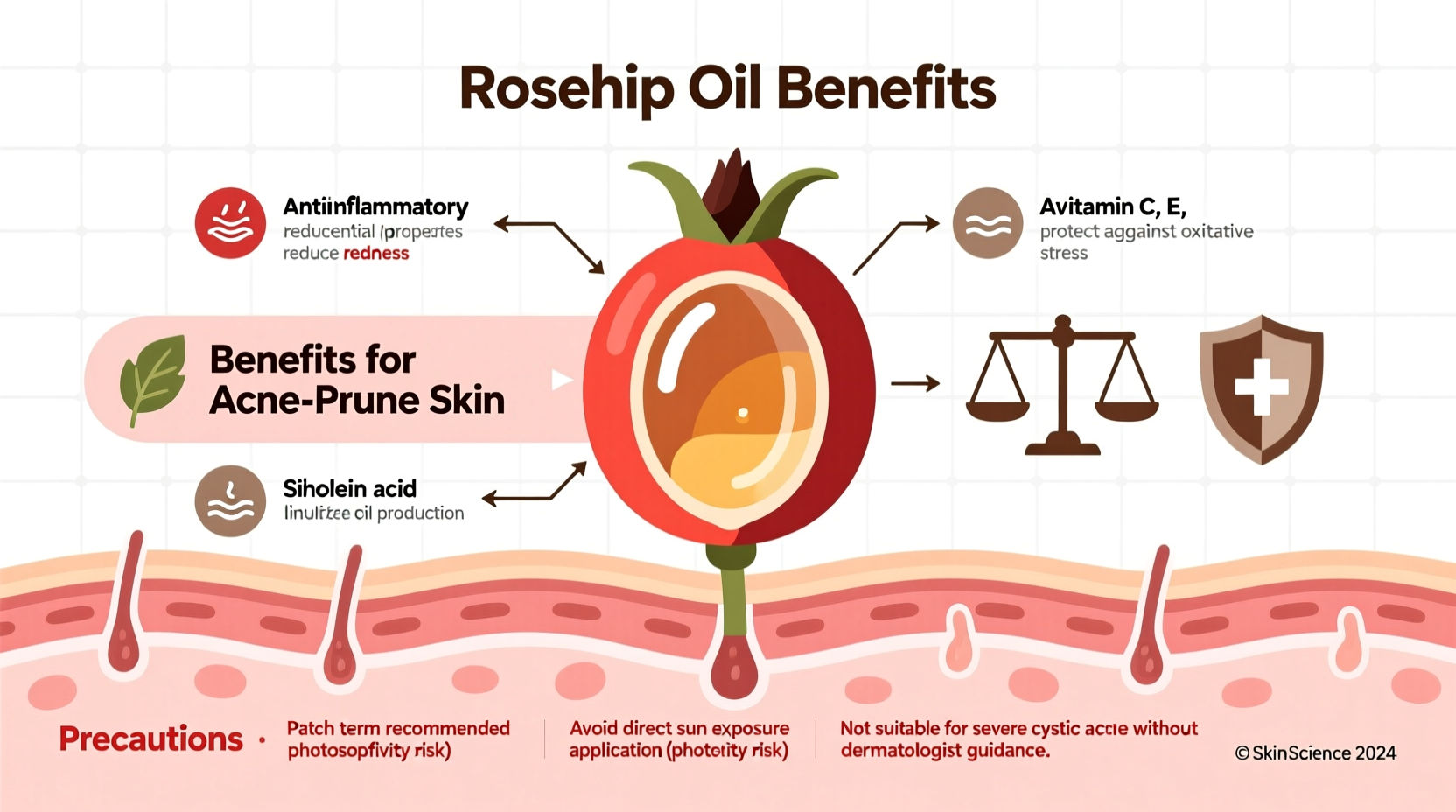 Is Rosehip Oil Good For Acne Prone Skin Benefits And Precautions
Also, it’s a gateway oil—if you can use rosehip oil without breaking out, you probably have resilient skin that can handle other facial oils like jojoba or marula. It’s like passing the first level of a video game.
But If It Still Clogs You…
Don’t force it. Your skin isn’t being rude; it’s just communicating. Switch to a non-comedogenic alternative like squalane, which is chemically closer to your skin’s natural sebum. Or try using rosehip oil only on specific spots, not your whole face.
Remember: skincare is a conversation, not a monologue. What works for your best friend in L.A. might not work for you in a humid city. Your skin’s microbiome is as unique as your fingerprint.
And here’s the cultural irony: in the 1920s, women used rosewater and glycerin for glow, and nobody panicked about breakouts because they blamed corsets, not cosmetics. We’ve come a long way, but anxiety isn’t part of the formula.
A Reflection for Your Daily Routine
When you’re standing in front of the mirror, dabbing oil onto your face, ask yourself: am I applying hope or listening to my skin? We often chase ingredients out of fear—fear of aging, fear of dullness, fear of missing out. But your skin is not a project; it’s a living ecosystem.
Let rosehip oil be a testament to curiosity. If it works, celebrate. If it doesn’t, you’ve learned something valuable about your own chemistry. That’s the kind of glow that never breaks out—self-awareness.
So go ahead, try that oil. But if you wake up with a bump, don’t curse the bottle. Thank it for the clarity, and move on to the next one. Your face is your best editor—always trust the feedback.