
Let’s talk about enriched rice—the unassuming hero (or culinary villain?) lurking in your pantry. You’ve probably eaten it in a hundred meals without a second thought, like that quiet friend who shows up to every party but never says a word. Is it a miracle grain that saves your vitamins, or a processed imposter that’s secretly plotting against your health? Grab a coffee, and let’s dig into the delicious chaos.
The Great Rice Makeover
Here’s the thing: plain white rice is basically a carb in a tuxedo—it looks fancy, but it’s naked of nutrition. After milling strips away the bran and germ, you’re left with a starch bomb that’s perfect for absorbing curry but terrible for your B-vitamin intake. That’s where enrichment steps in, like a fairy godmother sprinkling synthetic vitamins back onto your plate. They add iron, niacin, thiamine, and folic acid—basically giving your rice a nutritional Cinderella makeover.
But wait—do these added nutrients actually work, or are they like putting a Band-Aid on a broken leg? Surprisingly, yes, they do work. The World Health Organization says enrichment has slashed rates of beriberi (yes, that’s a real disease, not a bad pun) and other deficiencies in countries like the Philippines and Japan. It’s like your rice got a secret upgrade without asking for a raise.
Must Read
The "Fortified" Flimflam?
However, let’s not pretend this is a pure, wholesome peasant grain anymore. Some folks argue that enrichment is just food PR—a way to make processed junk seem virtuous. Think of it like slapping a “low-fat” label on a bag of sugar cookies: technically true, but the spirit is suspect. Your body might absorb those added vitamins way less efficiently than if they came from, say, a real vegetable or a sad-looking bean.
Then there’s the arsenic whisper. Yes, rice naturally absorbs arsenic from soil more than most grains—like a sponge at a sewage plant. Enrichment doesn’t fix that; it’s like adding sprinkles to a questionable hot dog. The FDA says it’s fine in moderation, but if you’re eating rice four times a day, you might want to diversify your carb family.
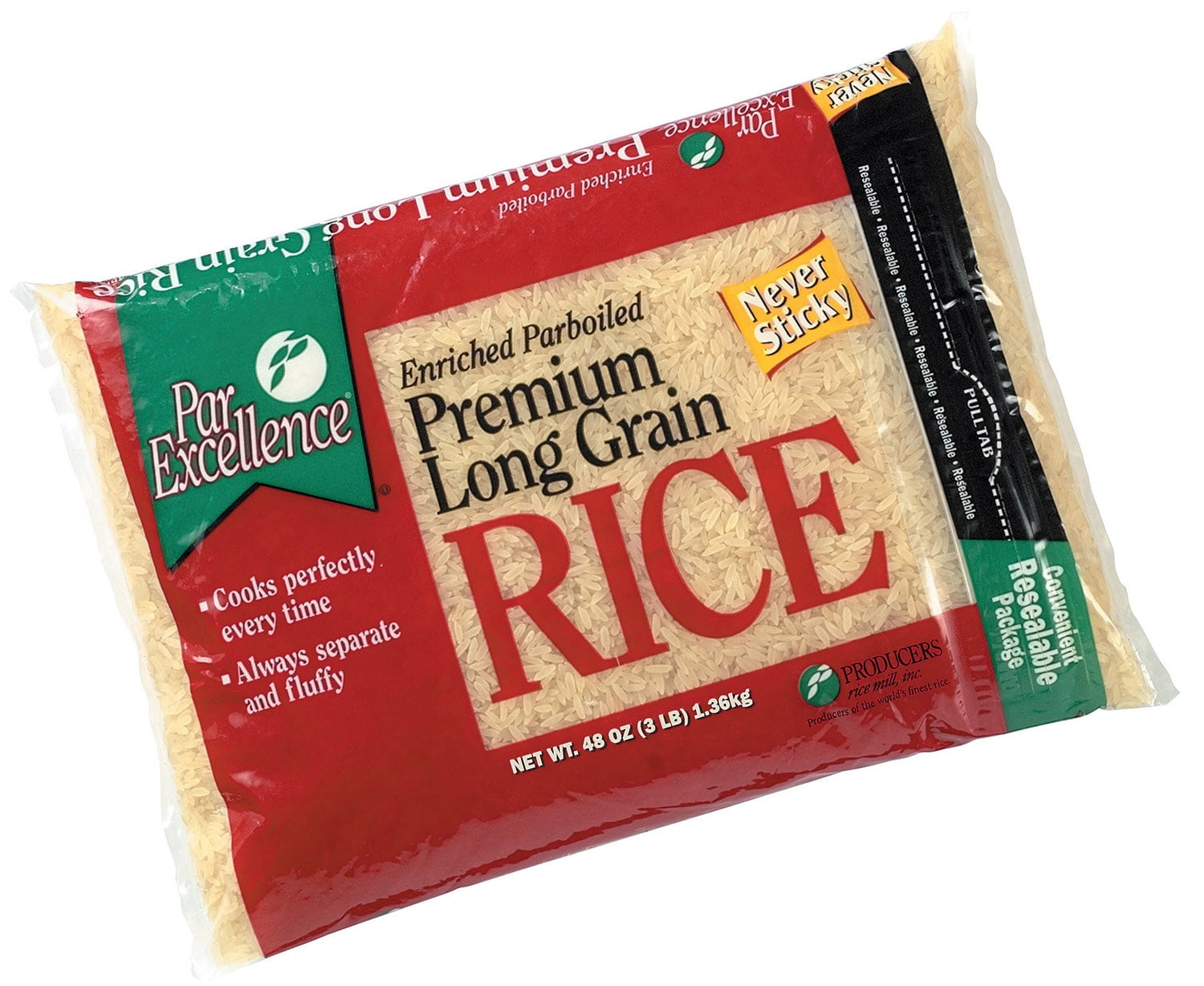 Producers ParExcellence Premium Parboiled Rice, Cooks Perfectly Every
The Amazing Comeback of Brown Rice
Brown rice is the smug, outdoorsy cousin who does CrossFit and composts. It keeps its bran and germ intact, so it’s naturally packed with fiber, magnesium, and B vitamins—without any synthetic help. It’s the shiny, wholesome ideal, but let’s be real: it takes a geologic age to cook and tastes like chewy cardboard if you forget to soak it. Enriched white rice is the lazy person’s compromise: faster, fluffier, and still somewhat helpful, like a half-assed but well-intentioned friend.
Here’s a shocking fact: a cup of enriched white rice has about the same amount of iron as a cup of cooked spinach! But before you start doing Popeye impressions, note that the type of iron in enriched rice (ferrous sulfate) is less absorbable. Your body’s like, “Oh, thanks for the gift, but I think I’ll just flush this down the pipes.” Meanwhile, brown rice’s natural iron is like a VIP guest that gets welcomed straight to the blood-building party.
But Is It Bad for You? The Mic Drop
Let’s cut through the noise. Enriched rice is not bad—it’s just not a superhero. It’s a decent baseline for people who can’t afford or don’t like funky grains. In fact, a huge study in the Journal of Nutrition found that countries using enriched rice saw a 30% drop in neural tube defects (thanks to folic acid). That’s a win for humanity, even if the rice itself is a little boring.
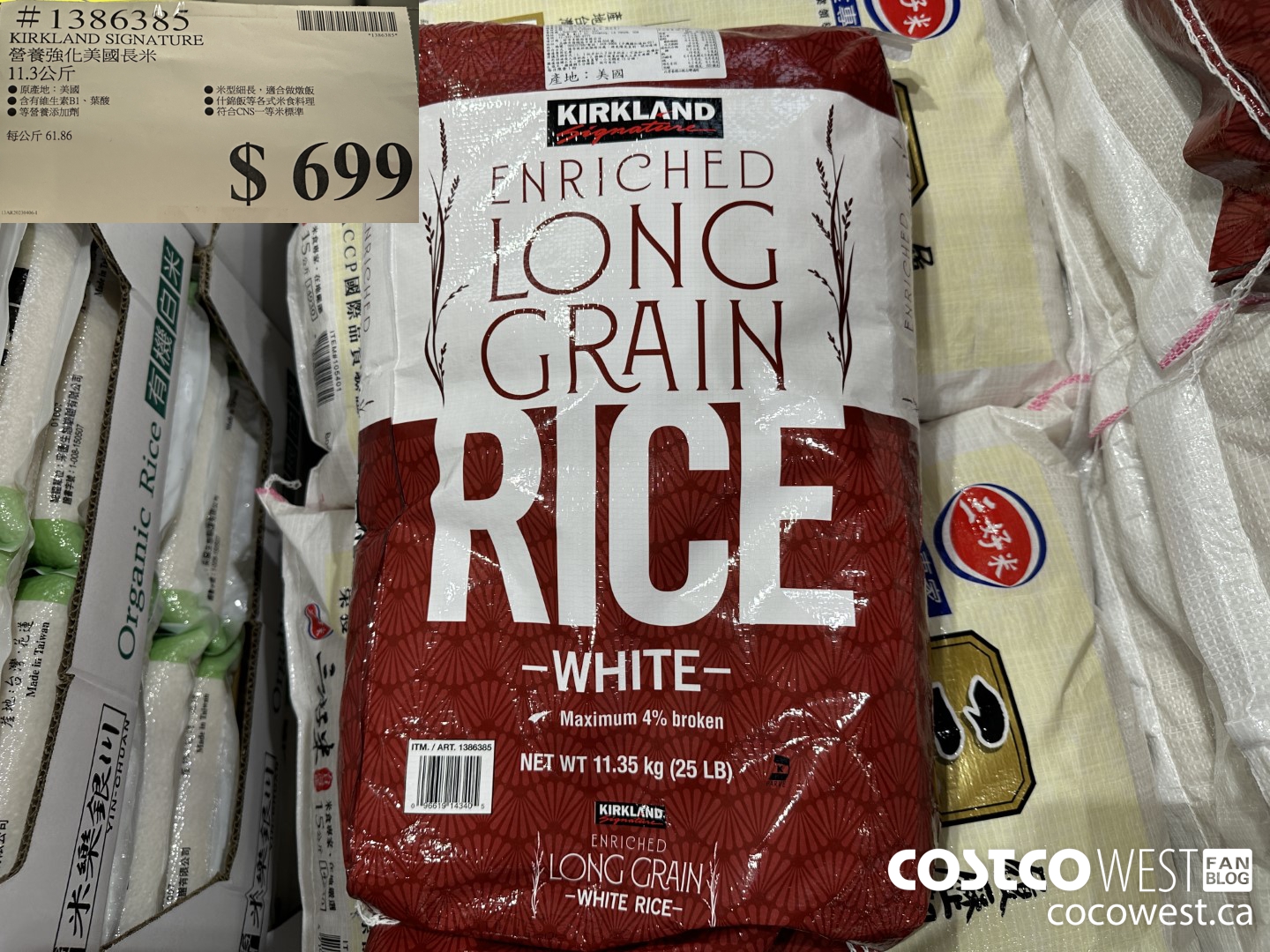 Kirkland Signature Enriched White Rice Long Grain at Nedra Harris blog
The real problem is over-reliance. If your diet is 90% enriched rice and 10% regret, you’re missing out on fiber, healthy fats, and a whole rainbow of nutrients that make your gut microbiome sing like a choir. It’s not the rice’s fault—it’s the monogamous relationship you’re in with it. Mix it up! Eat some quinoa (pronounce it right, please), black rice, or even wild rice, which is technically a grass but still sounds fancier.
The Verdict (Finally!)
So, enriched rice: good or bad? It’s like that colleague who’s competent but never brings donuts to the meeting—serviceable but not stellar. It won’t kill you, and it might even prevent a few babies from having spine issues. But don’t treat it as your nutritional savior. Rinse it before cooking to remove 30% of the arsenic (yes, that’s a real hack), and pair it with some protein and greens to keep your body from planning a mutiny.
In the end, eat your enriched rice with pride, but also with a side of skepticism—and maybe some avocado on top. Your taste buds will thank you, and your blood cells might just nod politely. Case closed. Now go cook something that makes you laugh.