
So, you’ve got a pot of glorious, perfectly seasoned beans. Maybe you made too much chili, or your lentil soup recipe lied about its yield. Now they’re sitting on the counter, looking innocent, while a dark question bubbles up: “How long can I leave you there before you become a biohazard?” Let’s get into it, because this is the kind of drama beans love to create.
The Hard Truth: The Two-Hour Rule (Yes, It’s a Real Party Pooper)
First, the boring but vital science: cooked beans, unrefrigerated, are safe for two hours. That’s it. Two hours. After that, the bacteria that were just chilling start throwing a rave. The USDA calls this the “Danger Zone,” which sounds like a bad action movie but is actually the temperature range between 40°F and 140°F where bacteria multiply like they’re getting paid per clone.
I know, I know—your grandmother left her bean soup out all day and she’s fine. But your grandmother also drank raw milk and thought “sell-by dates” were a suggestion from the devil. We’re in a modern world with modern germ science. Don’t let grandma’s iron stomach lead you to a rough night with the toilet.
Must Read
If you’re at a picnic and the beans have been sitting in the sun for three hours, do not eat them. I don’t care if they’re “artisanal heirloom pintos.” That bean is now a performance art piece called “Bacterial Apocalypse.”
What About "Just Reheating"? No, You Cinnamon Bun, That Won’t Save You
Here’s where people get creative: “I’ll just boil them again! That kills everything!” Blowing a raspberry at you. Boiling does kill most bacteria, yes, but many bacteria produce heat-stable toxins—little protein bombs that reheating cannot disarm. You’ll kill the soldiers, but their poison landmines remain. Your microwave cannot negotiate with toxins.
So that bean chili that sat out for five hours? You can reheat it into a bubbling volcano, but you’re still eating a chemistry set of regret. The rule is simple: if it’s been over two hours at room temp, bin it. Your trash can is a better friend than your colon.
Surprising Fact: Beans Are Basically Bacterial Banquet Halls
Beans are a protein and carbohydrate dream buffet for microbes. Clostridium perfringens loves beans so much it’s practically the official bacteria of potluck food poisoning. These little guys grow so fast in unrefrigerated beans that after four hours, a single bacterium can become 16 million party guests. And they don’t clean up after themselves.
Also, shocking truth: refried beans are worse. Because they’re mashed, they have more surface area for bacteria to colonize. You basically pureed your beans into a bacterial mattress. Treat refried beans like a ticking clock—refrigerate within two hours or wave goodbye.
What If the Room Is Cool? Or the Beans Are Still Warm?
“But my kitchen is 65°F!” you protest, feeling clever. Nice try, my bean-loving friend. The Danger Zone still applies at 65°F. Bacteria just have to work a little less hard. They’re still working. Also, if you leave a pot of warm beans on the counter, they stay in the Danger Zone longer as they cool. That’s like giving bacteria a gentle sauna and a buffet pass.
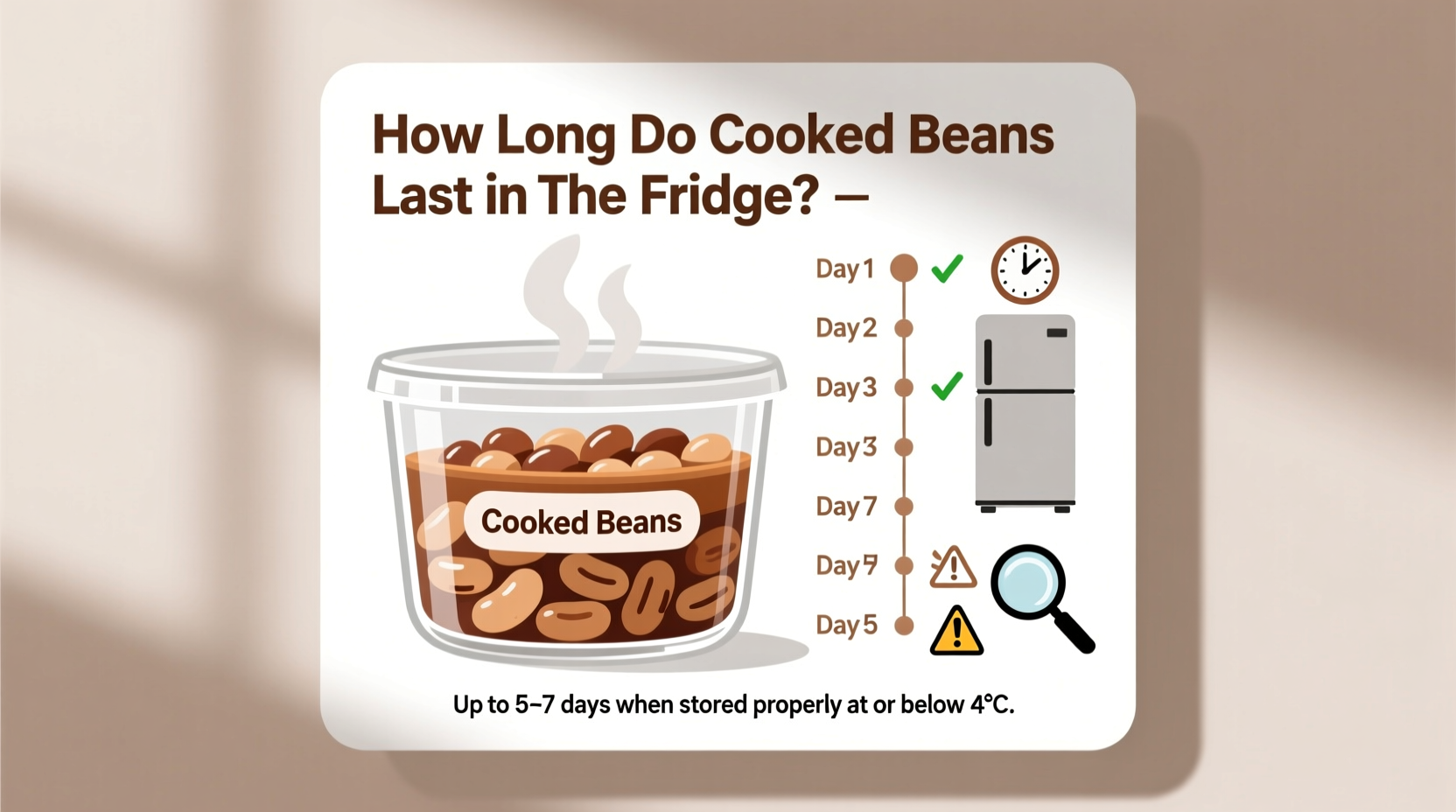 How Long Do Cooked Beans Last in the Fridge: 3-5 Days
The safest move? Split your bean bounty into shallow containers. Spread them out like you’re making a bean army sleep in little tin bunk beds. Put them in the fridge within two hours. Yes, even if they’re still a little hot. Modern fridges can handle it. Don’t be a coward.
The "I Forgot Them Overnight" Scenario
We’ve all been there. You made a beautiful bean stew, fell asleep watching a documentary about sloths, and woke up horrified. The beans have been unrefrigerated for eight hours. My advice? Hold a tiny funeral. Throw them out. Yes, I hear your stomach growling, but I also hear the ghost of foodborne illness whispering “hello.”
One time, I tried to salvage overnight beans by adding hot sauce and pretending it was a “fermented” dish. I spent the next day treating my toilet like a prayer cushion. Do not recommend. Trust me, future you is a very forgiving person—don’t test that forgiveness with bean-based revenge.
Exceptions? Almost None. Don’t Get Cute.
What if the beans are in a sealed container and you only peeked twice? No. What if they’re in a vinegar-based sauce, like pickled beans? Slightly different—acidity slows bacteria—but even then, the two-hour rule is a good guideline. Unless you’re a professional food scientist with a pH meter, just play it safe.
And please don’t ask me about “bean paste” or “bean desserts.” Sweet beans are still beans. Sugar just gives the bacteria a disco ball.
The Only Safe Strategy: Refrigerate Like Your Life Depends On It
Here’s your takeaway: cooked beans unrefrigerated last two hours, max. After that, you’re gambling with your gut. Refrigerate leftovers in shallow containers and eat them within 3–5 days. You can also freeze beans for months—they’re the chilliest survivors in your freezer’s lineup.
So next time you see that pot of abandoned beans on the counter, remember: that’s not dinner, that’s a science experiment. Be the hero of your own kitchen. Put the beans in the fridge. Your future self—and your toilet—will thank you.