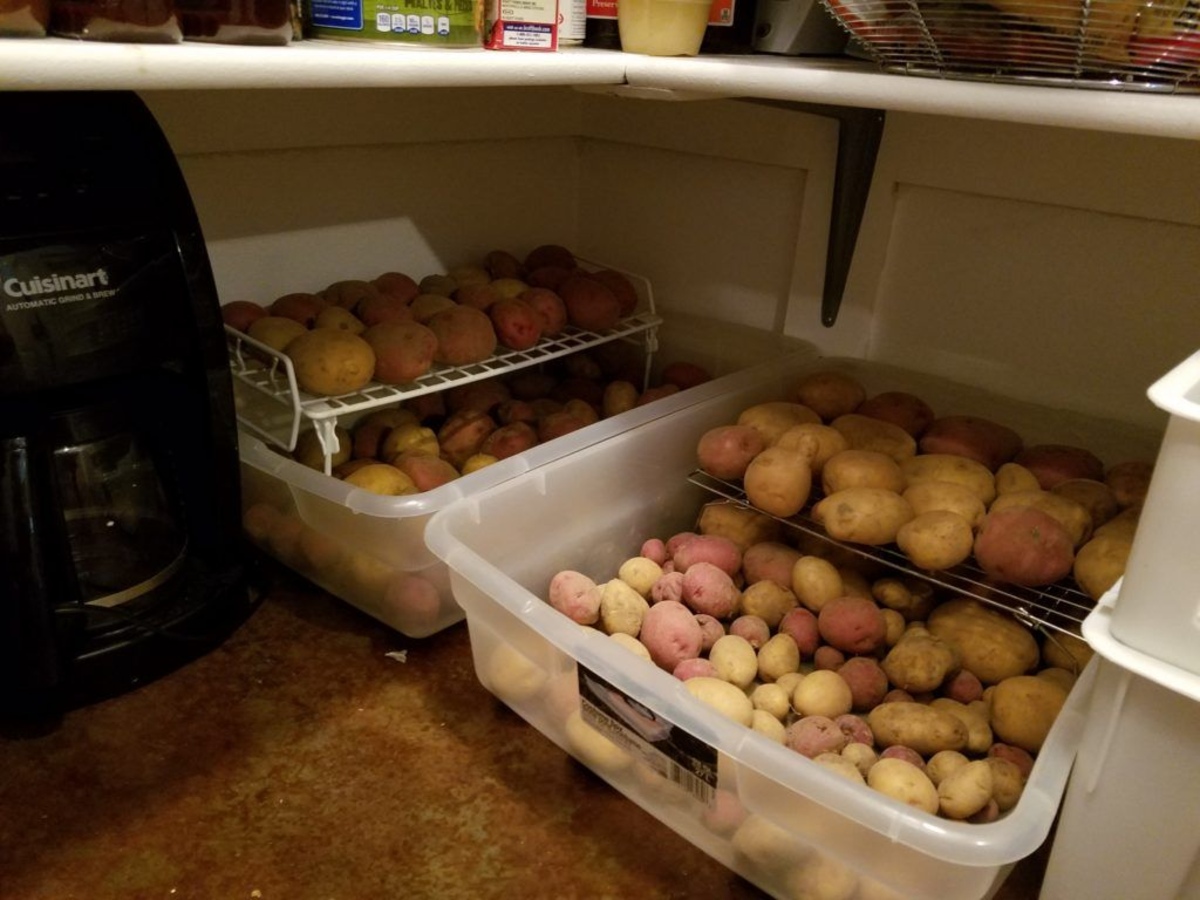
Okay, friend, let’s talk about a kitchen crisis that haunts me. The Great Potato Storage Debate. You know the one. Do I toss them in the fridge like a sensible adult? Or leave them in that sad, dusty corner of the pantry? Let’s peel back this mystery together.
First, a confession: I used to be a fridge potato person.
I’d buy a five-pound bag, feel all smug, and shove them next to the milk. Big mistake. Huge. A few weeks later, my potatoes tasted… sweet. Not in a good way.
Like, dessert-sweet, but with the texture of a sad, damp sponge. What gives?
Must Read
The cold is a traitor to potatoes.
See, the fridge is too chilly for a spud’s delicate constitution. Cold temperatures turn their starches into sugars. It’s a chemical betrayal. You get that weird candy-flavored fry and a grainy, gritty mash.
Nobody wants a sugar-pota-to. Unless you’re making a potato crème brûlée, which, let’s be real, you’re not.
But wait—what about sprouting? The fridge stops that, right?
Sort of. It does slow down growth, sure. But here’s the catch: the fridge creates condensation. Moisture is the enemy of a good tater.
Moisture invites rot, mold, and those gross, mushy spots that make you throw out half the bag. Is that a win? I think not.
So, where’s the promised land for potatoes?
The pantry. A dark, cool, dry cupboard. Think of it as a potato spa resort. The ideal temp is around 45-50°F (7-10°C). Too warm, and they sprout like Chia Pets.
Too cold (ahem, fridge), and they get sweet and weepy. Goldilocks zone, people. Goldilocks.
But what about those fancy “food storage” articles?
They love to complicate things. “Don’t store with onions!” they scream. And they’re right. Onions emit a gas that makes potatoes sprout faster. It’s science, not a personal attack.
Keep them separated by a basket or a paper bag. Paper bag is key—it breathes. Plastic bags are sweat lodges for spuds. No thanks.
Okay, is there ever a reason to fridge a potato?
Yes, but only if you’re a supervillain or a scientist. Or, you know, you’ve already cut them. Once sliced and peeled, raw potatoes need the fridge for safety. Bacteria are jerks.
 Storing potatoes: how & where - Plantura
Also, if you’re making potato salad, go ahead and chill the boiled ones. That’s different. That’s respect for mayo-based diplomacy.
Let’s talk about the “fridge-sweet” effect one more time.
Ever wonder why fast food fries taste better than your homemade ones? Partly, it’s because they use potatoes that were stored cold. The sugar makes them brown faster and get a weird sweetness.
If you want restaurant-level fries, store your raw potatoes in the pantry first. Then bring them back to room temp before frying. It’s a whole potato yoga routine.
But what if you live in a hot, humid place?
Ah, the “I live in a swamp” exception. If your pantry is a sauna (over 70°F), you might have to use the fridge. I get it. Desperate times.
Just know you’ll get the sweet potato effect. Embrace it. Use those potatoes for hash browns with a hint of maple syrup. Life finds a way.
One final potato secret: don’t wash them until you use them.
Seriously. Washing introduces moisture. Moisture is the grim reaper of the vegetable drawer. Keep them dirty, like a guilty little treasure.
Brush off dirt with your hand. Let them be a little earthy. It’s rustic. It’s fine.
So, the verdict? No fridge.
Unless you’re prepping for a apocalypse or live in a tropical rainforest. The pantry is your potato’s best life. Dark, cool, dry, and lonely (away from onions).
Give it a try for a week. Your mashed potatoes will thank you. Your fries will taste like actual potato, not a candy bar. And you’ll feel like a storage genius.
Now go. Liberate your potatoes from the crisper drawer. They deserve better. And so do you, my kitchen-questing friend. Go forth and tater.