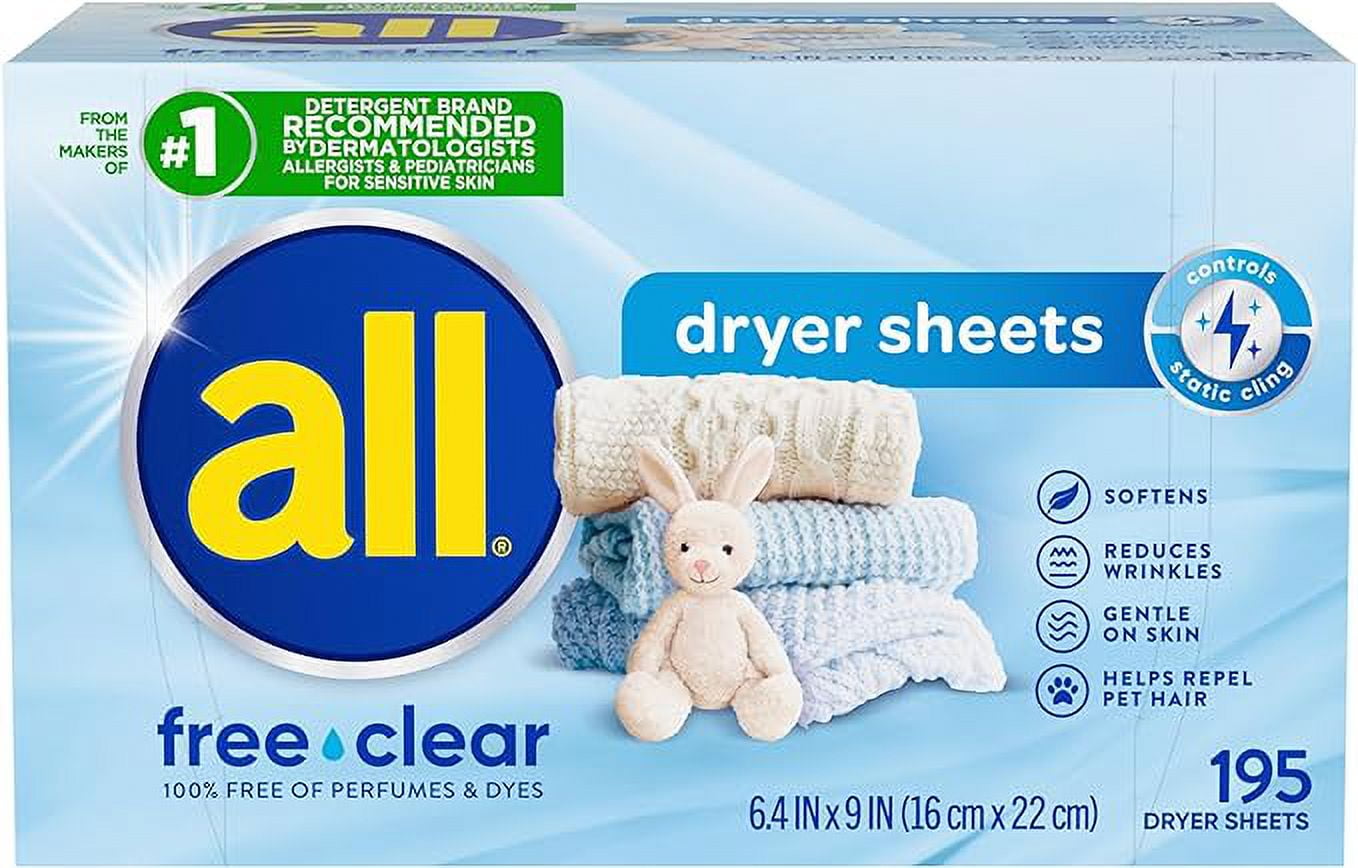
Let’s be honest: you probably yank a dryer sheet out of the box without a second thought. It’s just part of the laundry ritual, like pairing socks or finding that lone missing earring. But what exactly is this magical, fragrant square that lives in your laundry room?
At its core, a dryer sheet is a thin, non-woven fabric coated with softeners, antistatic agents, and a healthy dose of fragrance. The heat in your dryer activates these chemicals, releasing them onto your clothes to reduce static cling and add that “fresh from the dryer” scent. It’s a tiny, disposable piece of science that saves you from the dreaded skirt-sticking-to-tights fiasco.
The Secret Life of a Sheet
Think of a dryer sheet as a pampering assistant for your wardrobe. The active ingredient, often quaternary ammonium salts, works by coating your clothes’ fibers with a thin lubricating layer. This reduces friction, which is the main cause of both static electricity and fabric stiffness.
Must Read
Here’s the fun fact: those sheets don’t just soften—they also repeel dirt. The coating makes it harder for dust and lint to cling to your favorite sweater. But here’s the catch: that same coating can also reduce the absorbency of towels, so skip the sheet on your bath linens if you want them to actually dry you off.
Cultural check: In the 1960s, dryer sheets were considered a luxury innovation, like the avocado-green refrigerator. Today, they’re a $1 billion global industry, with Bounce and Downy still reigning as the undisputed champions of the laundry aisle.
The Great Debate: Friend or Foe?
You’ll find fierce camps on both sides. The pro-sheet squad loves the convenience: just toss one in, and your clothes smell like a spring meadow in a rom-com. It’s the low-effort win for anyone who sees folding laundry as a chore rather than a meditation.
On the flip side, the anti-sheet activists warn about potential downsides. Studies suggest the chemicals can irritate sensitive skin, and the fragrance itself is a cocktail of undisclosed compounds. For those with eczema or allergies, dryer sheets can turn cozy flannel into an itchy nightmare.
And then there’s the environment: most sheets are not biodegradable and can clog dryer vents over time. But before you panic, know that reusable wool dryer balls are the trending alternative—they fluff naturally, reduce static, and last for hundreds of loads. If you’re curious, try a side-by-side test: one load with a sheet, one with balls. You might be surprised.
 Amazon.com: Clean Revolution Natural Fabric Softener Dryer Sheets, 80
Practical Tips for the Modern Laundry Doer
Want to keep using sheets but maximize their magic? Cut them in half. For most loads, a half-sheet delivers enough softening and smell without overloading your clothes with chemicals. It’s a hack that saves money and reduces waste.
Another pro move: use dryer sheets as a lint-roller hack. Got pet hair on your couch or car seats? Rub a used sheet over the fabric—the static will attract the fur like moths to a flame. It’s oddly satisfying and works better than a sticky roller.
Freshen your suitcase between trips by tucking a new sheet inside. It keeps musty smells at bay and makes you feel like a travel influencer who always has their life together.
The Pop Culture Connection
Dryer sheets have snuck into our cultural lexicon. In the hit show Breaking Bad, Walter White’s wife, Skyler, uses them to hide the smell of cash. And in countless mom-blogs, they’re the unsung heroes of “life hacks”—from removing deodorant stains to making your gym bag smell less like defeat.
Even fashion knows their power. Designers say a fresh sheet in a garment bag keeps delicate fabrics from smelling like basement dust. It’s the low-key luxury of closet maintenance.
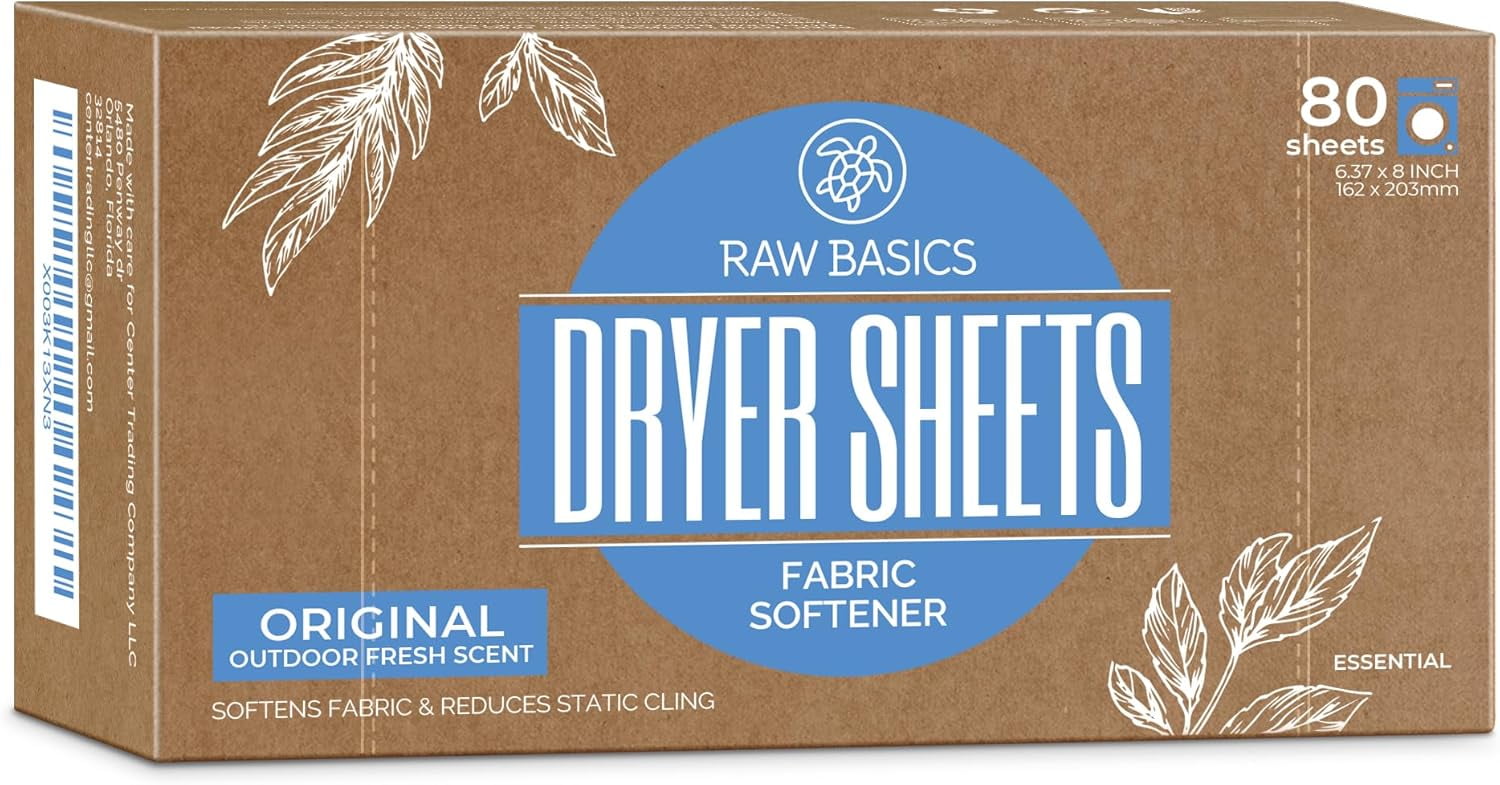 Dryer Sheets, 80 Bulk Loads - Laundry Fabric Softener Strips to Guard
Fun fact: your great-grandparents used fabric softener in rinse cycles, which was a messy liquid process. The dryer sheet, patented in 1964, turned that into a one-step, no-mess miracle. Thank you, 60s science.
When to Swipe Left on Dryer Sheets
Not every fabric wants a sheet’s attention. Avoid them on athletic wear—the coating traps sweat and smells, making your yoga pants odorous after one session. Also skip them on microfiber cleaning cloths, as the chemicals reduce their absorbing power.
For baby clothes or sensitive skin, go fragrance-free or use the reusable balls. Your little one’s onesie doesn’t need a floral perfume—it just needs to be clean and soft.
One last tip: if you’re a fan of the scent but want to reduce exposure, air out your clothes for five minutes after the dryer cycle ends. Much of the volatile fragrance will dissipate, leaving just a whisper of freshness.
A Short Reflection on Daily Life
There’s something quietly poetic about the humble dryer sheet. It’s a tiny, modern convenience that takes a repetitive task—laundry—and sprinkles it with a little sensory joy. In a world of fast-paced decisions, it’s nice that something so simple can make your hoodie feel like a warm hug.
Maybe the best lesson is this: whether you use sheets, balls, or nothing at all, the goal isn’t perfection. It’s about finding small rituals that make your day feel softer. So the next time you pull a warm, fragrant shirt from the dryer, take a second to appreciate that little square of science and charm. It’s just one more reminder that even the smallest choices can bring a bit of comfort to our daily grind.