So, you’ve got a bundle of asparagus in your fridge, looking like tiny green swords. Why did you buy them? Maybe they were on sale, or you felt vaguely healthy. Let’s be real—you’re probably just wondering if they’re worth the famously weird-smelling pee. Spoiler: they are worth it. Grab your coffee, and let’s unpack this green machine.
The Vitamin A Game: Eye Candy
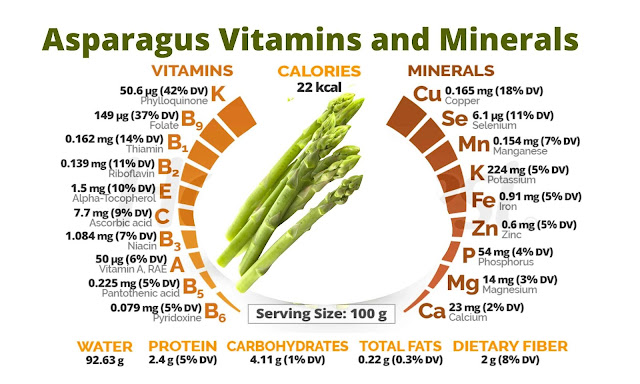
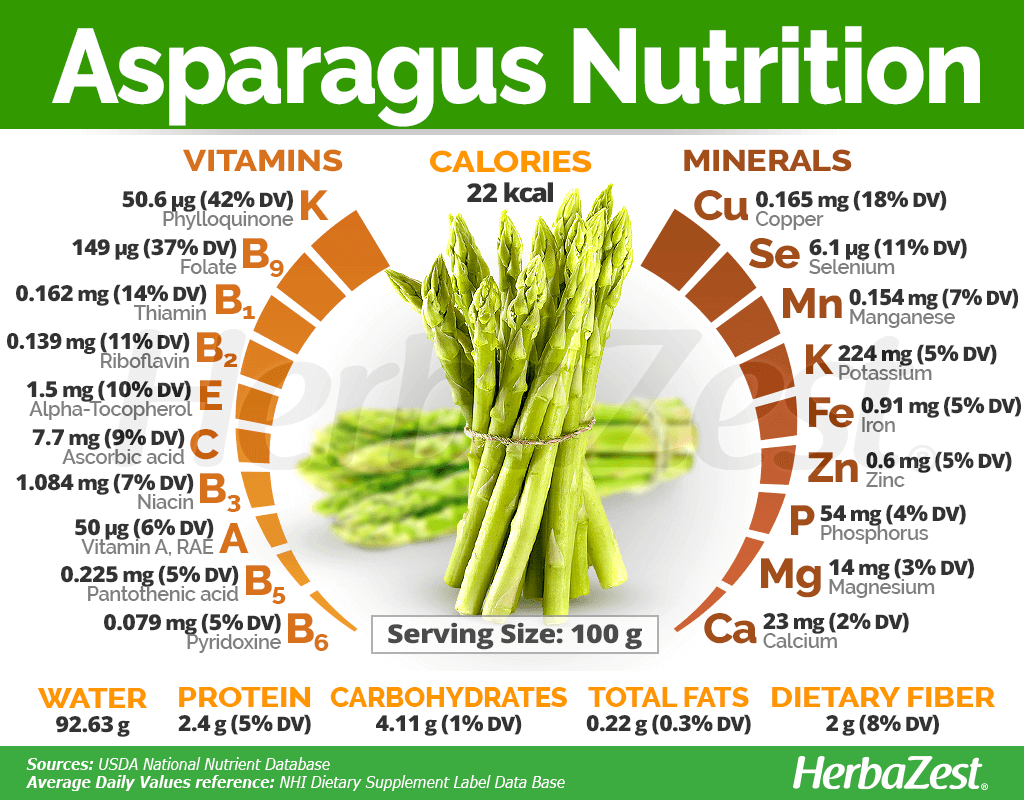
First up, Vitamin A. Asparagus is quietly packed with it. Not crazy levels like carrots, but enough to keep your eyes thanking you. Those little spears are full of beta-carotene. Your body turns that into Vitamin A faster than you can say “20/20 vision.”
Fancy a night-time superpower? Well, Vitamin A helps with low-light vision. So if you’re stumbling around in the dark looking for a snack, asparagus has your back. It also keeps your skin from looking like a dried-out sponge. Eat your spears, glow like a disco ball.
Must Read
Vitamin K: The Blood Clot Commander
Here’s where asparagus gets serious. One cup of cooked asparagus gives you over 70% of your daily Vitamin K. That’s a lot for a vegetable that looks like a tiny tree. Vitamin K is your body’s traffic cop for blood clotting. You cut your finger? This vitamin makes sure you don’t bleed out over your avocado toast.
It’s also a bone-building boss. No joke, Vitamin K works with calcium to keep your skeleton sturdy. So if you’re planning to jump off a curb later, eat some asparagus first. Your bones will thank you. Or just eat it for strong bones—your call.
Foliate (Folate): The Cell Party
Remember folic acid? Asparagus is drowning in it. One serving gives you a solid chunk of your daily folate. Folate is the MVP for making new cells, especially red blood cells. If you’re feeling sluggish, it might be a folate deficiency. Cue the asparagus cavalry!
Pregnant people go nuts for this nutrient, and for good reason. It helps prevent neural tube defects in babies. But even if you’re not baking a tiny human, folate keeps your mood stable. So yes, eating asparagus might make you slightly less grumpy. That’s a scientific fact. Probably.
 What Does Asparagus Taste Like - Dizzy Busy and Hungry!
Vitamin C: The Sneaky Immunity Boost
Wait, Vitamin C isn’t just for oranges? Nope. Asparagus has a surprising amount of it. Not enough to cure a cold instantly, but enough to give your immune system a high-five. It’s also an antioxidant, which is fancy talk for “fights off angry molecules.”
Ever get random bruises? Vitamin C helps heal them faster. Plus, it boosts collagen production for better skin. So if you want to look like a glazed donut (in a good way), add asparagus to your dinner plate. Just don’t overdo it—you aren’t a rabbit.
Vitamin E: The Skin Shield
Vitamin E is the quiet friend who always has your back. Asparagus contains it in modest amounts. This vitamin is all about protecting your cells from damage. Think of it as tiny shields over your skin and organs. It also helps keep your eyes healthy, again. Asparagus is basically a multi-tool for your body.
Got dry winter skin? Vitamin E improves moisture retention. Eating asparagus won’t make you look 20 again, but it helps. Plus, it’s a fat-soluble vitamin, so pair it with a little olive oil. Lucky for you, roasted asparagus with olive oil is basically a religious experience.
The B-Vitamin Bunch: Energy Enablers
Aside from folate, asparagus brings a whole squad of B vitamins to the party. Thiamine (B1), riboflavin (B2), niacin (B3), and B6. Each one helps you turn food into fuel. Without them, you’d feel like a slug crawling through molasses.
 Asparagus Plant Benefits
B6 is important for brain health and hormone regulation. So if you’re feeling foggy or cranky, a few spears might help. Riboflavin keeps your red blood cells happy. Basically, the B vitamins in asparagus are like your body’s maintenance crew—they fix stuff so you can keep running.
Wait, There’s More? Iron and Calcium
Okay, not vitamins, but minerals that hitch a ride. Asparagus has a bit of iron. Iron carries oxygen in your blood. Low iron makes you feel like you’re breathing through a straw. A few spears won’t replace a steak, but every bit counts.
There’s also a smidge of calcium. We know, you’re shouting “Milk is better!” But calm down—this calcium is easy to absorb. Plus, asparagus has almost no calories (about 20 per cup). You can eat a mountain of it without unbuttoning your pants. Try doing that with a cheese platter.
The Verdict: Should You Eat It?
Look, asparagus isn’t a magic pill. But it’s packed with Vitamin A, K, C, E, folate, and B vitamins. It also makes your pee smell like a swamp, which is your body processing a sulfur compound. That scent? That’s the smell of health. Or at least, that’s what I tell myself.
If you hate the taste, we can’t be friends. Kidding. But seriously, roast it with salt and pepper. Drizzle lemon juice. You’ll eat it like candy. Your cells will get a vitamin party, your skin will glow, and you’ll feel smug. So go ahead, grab that bundle. Your body is basically begging you. Eat the green swords.